You’re at a crossroads, staring at two distinct paths for your email marketing efforts: the well-trodden, familiar road of manual campaigns, and the sleek, often intimidating new highway of email automation. Both promise to connect you with your audience, but their methodologies and potential outcomes differ significantly. Your choice will shape not only your marketing strategy but also your efficiency, your growth, and ultimately, your bottom line. You’re not just picking a tool; you’re defining your approach to customer communication.
Before you can make an informed decision, you need a clear understanding of what each approach entails. You’re not just looking at sending emails; you’re looking at managing relationships.
The Manual Campaign: Your Hands-On Approach
Think of manual campaigns as your direct, personal touch. You, or your team, are meticulously crafting each email, segmenting your audience manually, and scheduling sends one by one.
- Crafting Individual Messages: You’re writing every subject line, every body paragraph, tailoring content for specific segments as you see fit. There’s a human element in each word.
- Segmenting with Precision, but Laboriously: You’re sifting through your contact lists, perhaps in a spreadsheet, to identify groups based on demographics, purchase history, or engagement. It’s effective, but time-consuming.
- Scheduling and Sending Manually: You’re hitting the “send” button yourself, often at specific times you’ve determined will be most impactful. This requires constant oversight.
- Direct A/B Testing, but Limited Iterations: You can certainly run A/B tests with manual campaigns, sending different versions to subsets of your audience. However, the iteration speed is slower because each test requires your direct intervention.
The Automated Campaign: Your Strategic Blueprint
Email automation, on the other hand, is about establishing intelligent systems that work for you, around the clock. You’re setting up triggers, defining flows, and letting the technology do the heavy lifting after initial configuration.
- Workflow-Based Communication: You’re designing sequences of emails that are triggered by specific user actions or predefined time intervals. Think welcome series, abandoned cart reminders, or post-purchase follow-ups.
- Dynamic Content Personalization: You’re leveraging data to dynamically insert personalized content into emails – names, product recommendations, even location-specific offers – without you having to type them out for each individual.
- Event-Driven Sending: Emails are sent automatically when a user performs a specific action (e.g., signing up for a newsletter, viewing a product, making a purchase) or after a certain amount of time has passed.
- Continuous Optimization through Data: Your automation platform is constantly gathering data on open rates, click-through rates, and conversions. You use this data to refine your automated workflows, making them more effective over time with less direct input.
The Advantages and Disadvantages: Weighing Your Options
As you consider which path to take, you need to understand the inherent strengths and weaknesses of each. You’re looking for the best fit for your specific needs and goals.
The Case for Manual Campaigns: Why You Might Stick With What You Know
There are compelling reasons why many businesses, especially smaller ones or those with highly niche audiences, might initially lean towards manual campaigns.
- Personalization, Unfiltered by Algorithms: You have complete control over the message. When you’re sending a manual email, you can truly connect on a human level, sometimes even injecting humor or very specific context that an automation system might miss.
- Low Initial Cost and Complexity: If you’re just starting out or have a very small budget, manual campaigns often require minimal investment beyond a basic email service provider. There’s no complex software to learn or integrate.
- Flexibility for Breaking News or Urgent Communications: When something unexpected happens – a product recall, a sudden sale, a critical update – you can quickly craft and send a manual email without needing to adjust pre-set workflows.
- Direct Oversight and Control: You’re overseeing every single send. This gives you peace of mind that nothing is going out incorrectly, especially when dealing with sensitive information or critical announcements.
- Niche Audience Engagement: For very small, highly engaged communities, a manual, almost “newsletter” style approach can feel more authentic and less corporate.
The Case Against Manual Campaigns: The Hidden Costs of Your Time
While personal, manual campaigns come with significant drawbacks that you can’t afford to ignore.
- Time-Consuming and Resource-Intensive: Crafting, segmenting, and sending emails manually for a growing audience is incredibly demanding. Your time, or your team’s time, is a finite resource.
- Prone to Human Error: With manual processes, typos, incorrect segmentation, or forgotten sends are all real possibilities. Even the most diligent person can make mistakes.
- Inconsistent Message Delivery: It’s difficult to maintain consistent messaging and timing when everything is done manually, especially across different team members.
- Limited Scalability: As your audience grows, manual campaigns become unsustainable. You simply cannot maintain the same level of personalization and timeliness for thousands, let alone tens of thousands, of subscribers.
- Missed Opportunities for Timely Engagement: You can’t manually send a “welcome” email the instant someone subscribes or a “thank you” email immediately after a purchase. These crucial moments for engagement are often lost.
The Case for Email Automation: The Power of Efficiency and Scale
For most businesses looking to grow, email automation isn’t just a nice-to-have; it’s a strategic imperative.
- 24/7 Engagement and Timeliness: Your automated workflows are constantly monitoring user behavior and sending relevant emails at precisely the right moment, even when you’re asleep. This means you’re always connecting with your audience when they’re most receptive.
- Enhanced Personalization at Scale: Automation platforms allow you to personalize emails for thousands of individuals using dynamic content, behavioral triggers, and advanced segmentation, without manual effort for each.
- Increased Efficiency and Time Savings: Once set up, automated campaigns free up your time for more strategic tasks. You’re no longer bogged down by repetitive manual email sends.
- Improved Customer Journey and Experience: Automation lets you map out and nurture a seamless customer journey, from initial interest to loyal advocacy, ensuring no key touchpoint is missed.
- Higher Conversion Rates: Timely, personalized, and relevant communication significantly boosts open rates, click-through rates, and ultimately, conversion rates.
- A/B Testing and Optimization Built-In: Most automation platforms offer robust A/B testing features and analytics, allowing you to continually refine your workflows and messages for maximum impact with minimal effort.
- Scalability for Growth: No matter how large your audience becomes, your automated workflows can handle the volume without a corresponding increase in your manual workload.
The Case Against Email Automation: The Initial Hurdles
While powerful, email automation isn’t without its challenges, especially during the initial setup phase.
- Higher Initial Investment: Automation platforms typically come with a higher cost than basic manual email tools, both in terms of subscription fees and the time investment required for setup.
- Requires Strategic Planning and Setup: You can’t just “turn on” automation. It requires careful planning of workflows, trigger points, and content for each stage of the customer journey. This can be complex.
- Potential for Impersonal (If Done Poorly): If your automation isn’t set up thoughtfully with personalization in mind, it can feel robotic and generic, rather than helpful. “Set it and forget it” without proper strategy is a recipe for disaster.
- Learning Curve for the Platform: Your team will need to learn how to use the automation software effectively, which can take time and training.
- Ongoing Monitoring and Refinement: While automated, workflows aren’t entirely hands-off. You still need to monitor their performance, analyze data, and make adjustments to ensure they remain effective and relevant.
Strategic Blending: The Hybrid Approach
You don’t have to choose one or the other exclusively. In fact, for many businesses, the most effective strategy lies in combining the best of both worlds. This hybrid approach allows you to leverage the efficiency of automation while preserving the personal touch when it matters most.
Automate the Repetitive, Personalize the Exceptional
Your goal here is to identify which communications are best suited for automation and which still require your human touch.
- Automated Welcome Sequences: When a new subscriber joins your list, they should immediately receive a series of emails introducing them to your brand, its values, and what they can expect. This is a prime candidate for automation.
- Automated Abandoned Cart Reminders: If a customer adds items to their cart but doesn’t complete the purchase, an automated email reminder (or a series) can significantly recover lost sales.
- Automated Post-Purchase Follow-ups: Beyond a simple receipt, automated emails can offer product care tips, solicit reviews, or recommend complementary products.
- Automated Re-engagement Campaigns: If a subscriber hasn’t opened your emails in a while, an automated series can try to win them back before they’re eventually unsubscribed.
Manual for Strategic, High-Value Interactions
Reserve your manual effort for communications that truly benefit from a human, customized approach.
- Personalized Sales Outreach: For high-value leads or B2B sales cycles, a direct, manually crafted email from a sales representative can be incredibly effective.
- Customer Service Follow-ups: When a customer has a complex issue, a personalized follow-up from a support agent can build trust and loyalty.
- Executive Announcements or Crisis Management: For highly sensitive or company-wide announcements, a carefully worded, manually reviewed message from a leader carries more weight.
- Special Holiday Greetings or “Thank You” Notes: While you can automate these, a truly heartfelt, carefully curated message for top customers or during significant holidays can feel more personal when handled manually.
- One-off Promotional Campaigns Requiring Unique Context: Sometimes, a sudden trend or event creates a unique promotional opportunity that doesn’t fit into an automated workflow.
Implementing Your Decision: Getting Started
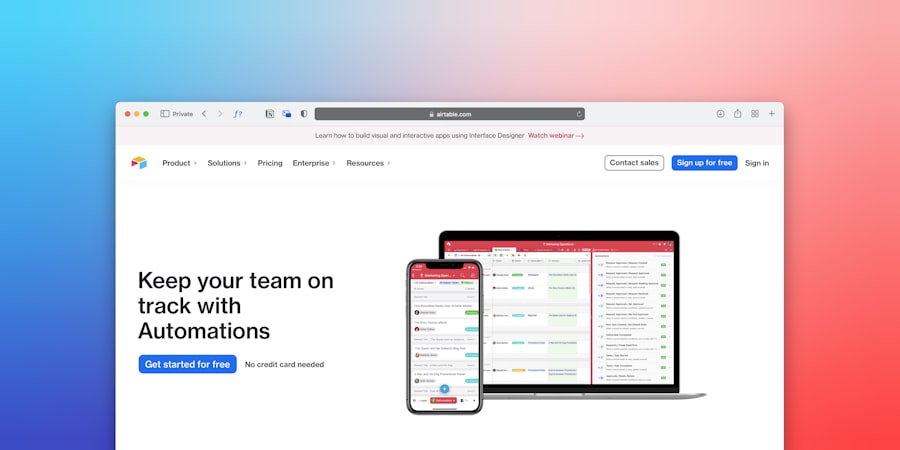
Once you’ve made your decision (or chosen your hybrid path), you need a plan for execution. This isn’t just about picking software; it’s about building a sustainable system.
If You’re Opting Primarily for Manual Campaigns
You’re focusing on simplicity and direct engagement.
- Choose a Reliable Email Service Provider (ESP) with Good Deliverability: Even for manual sends, you need a robust platform to manage your list and ensure your emails reach inboxes. Look for providers like Mailchimp (for basic plans), Constant Contact, or Sendinblue.
- Develop Strong Content Creation Skills: Since every email is manual, your writing, design, and copywriting skills will be paramount. Investing in these areas will yield significant returns.
- Create a Content Calendar: Plan your sends in advance to avoid last-minute scrambling and ensure a consistent communication rhythm.
- Focus on Building a Highly Engaged, Smaller List: With manual efforts, quality often trumps quantity. Nurture your subscribers carefully.
If You’re Leaning Towards Email Automation
You’re preparing for a more complex but ultimately more rewarding setup.
- Select an Automation Platform that Fits Your Needs and Budget: Research providers like HubSpot, ActiveCampaign, Klaviyo, Pardot, or Marketo. Consider your existing tech stack and integration needs.
- Map Out Your Customer Journeys: Before touching the software, visualize the different paths your customers take and identify key touchpoints where email communication is essential.
- Design Your Core Workflows: Start with the most impactful automated sequences first: welcome series, abandoned cart, and post-purchase (if applicable). Don’t try to automate everything at once.
- Create Compelling, Reusable Content Templates: Design visually appealing and on-brand email templates that can be customized with dynamic content variables.
- Set Up A/B Tests from the Outset: Automation platforms make A/B testing easy. Test subject lines, calls to action, and even email content to continuously improve your results.
- Monitor and Optimize Continuously: Automation isn’t “set it and forget it.” Regularly review your analytics to see what’s working, what’s not, and where you can refine your workflows.
The Future of Your Email Marketing: Adaptability is Key
| Metrics | Email Automation | Manual Campaigns |
|---|---|---|
| Open Rate | Higher | Lower |
| Click-Through Rate | Higher | Lower |
| Conversion Rate | Higher | Lower |
| Time-Saving | More efficient | Time-consuming |
| Personalization | Easy to personalize | Harder to personalize |
Regardless of your initial choice, remember that the landscape of digital marketing is constantly evolving. Your audience’s preferences, technological advancements, and your own business goals will all play a role in shaping your email strategy over time.
Staying Ahead of the Curve
You need to be prepared to adapt.
- Embrace Data-Driven Decisions: Whether manual or automated, always rely on data to inform your choices. What are your open rates? Click-through rates? Conversion rates? Let these metrics guide your adjustments.
- Keep Up with Email Marketing Trends: Personalization, interactivity, and even AI-generated content are constantly evolving. Stay informed about what’s new and what’s effective.
- Don’t Be Afraid to Iterate: Your initial strategy isn’t set in stone. Be willing to test new approaches, refine existing campaigns, and even shift from manual to automation (or vice-versa for specific tasks) as your business grows and your understanding deepens.
Ultimately, your decision between email automation and manual campaigns isn’t about choosing a “better” method in isolation. It’s about choosing the right method, or combination of methods, that aligns with your current resources, your strategic objectives, and your vision for how you want to build relationships with your audience. You have the power to create an email marketing strategy that is both effective and efficient, leading to stronger customer connections and sustained business growth.
FAQs
1. What is email automation?
Email automation is the use of technology to send personalized and targeted emails to a specific audience based on predefined triggers or actions. This can include welcome emails, abandoned cart reminders, and personalized product recommendations.
2. What are manual email campaigns?
Manual email campaigns involve the process of creating and sending emails to a specific audience without the use of automated technology. This can include one-time promotional emails, newsletters, and event invitations.
3. What are the benefits of email automation?
Email automation allows for personalized and targeted communication with customers, saves time and resources by automating repetitive tasks, and can lead to higher engagement and conversion rates due to timely and relevant messaging.
4. What are the advantages of manual email campaigns?
Manual email campaigns offer more flexibility and control over the content and timing of each email, allowing for more creativity and customization. They can also be more suitable for smaller businesses with limited resources.
5. Which works better: email automation or manual campaigns?
The effectiveness of email automation versus manual campaigns depends on the specific goals and resources of the business. Email automation is ideal for scalability, personalization, and efficiency, while manual campaigns offer more control and flexibility. A combination of both approaches may be the most effective strategy for many businesses.