


You’ve invested your time, creativity, and resources into crafting an email marketing campaign that’s delivered impressive results. Your open rates are strong, your click-through rates are soaring, and your conversions are consistently hitting targets. But now you’re faced with a common and exciting challenge: how do you take that success and amplify it? How do you scale your email marketing efforts without diluting their effectiveness, overwhelming your team, or alienating your audience? This isn’t a task of simply sending more emails; it’s a strategic endeavor that requires careful planning, robust tools, and a deep understanding of your subscribers. Let’s delve into the techniques that will empower you to maximize your email marketing campaigns and sustain exponential growth.
Your audience isn’t a monolithic entity, and treating them as such is a surefire way to stunt your growth. Effective scaling hinges on your ability to deliver highly personalized and relevant content, and that begins with sophisticated segmentation. Don’t just group subscribers by their initial sign-up source; delve deeper into their behaviors, preferences, and journey with your brand.
Beyond Basic Demographics
While age, location, and gender can be useful starting points, truly impactful segmentation goes far beyond these surface-level attributes. You need to understand the nuances that drive engagement and conversion.
- Purchase History Analysis: This is a goldmine for understanding customer lifetime value and future purchasing intent.
- First-time buyers: Nurture them with onboarding sequences, product usage tips, and complementary product suggestions.
- Repeat customers: Reward their loyalty with exclusive offers, early access to new products, or VIP content.
- High-value customers: Segment those who spend above a certain threshold and offer white-glove treatment or personalized recommendations.
- Lapsed customers: Implement win-back campaigns designed to re-engage them with compelling incentives.
- Engagement Levels: Not all subscribers are created equal. Some are ravenous for your content, while others might be on the verge of tuning out.
- Highly engaged (opens and clicks frequently): Send them exclusive content, survey invitations, or solicit testimonials. They are your brand advocates.
- Moderately engaged (occasional opens/clicks): Test different subject lines, content formats, or send times to re-ignite their interest.
- Low engagement (rarely opens/clicks): Consider a re-engagement campaign with a clear call to action, or even a sunsetting strategy to maintain list health.
- Website Behavior: Your website is a treasure trove of intent signals. Integrate your email platform with your website analytics to capture this data.
- Abandoned carts: Trigger automated emails with reminders, special offers, or social proof.
- Browsed specific product categories: Send targeted recommendations for similar products or relevant content.
- Visited pricing pages but didn’t convert: Offer a limited-time discount or a personalized consultation.
- Stated Preferences: Sometimes, the simplest way to understand your audience is to ask them directly.
- Preference centers: Allow subscribers to choose the type of content they want to receive, how often, and even in what format. This reduces unsubscribe rates and increases satisfaction.
- Survey responses: Use survey data to segment subscribers based on their interests, challenges, or product needs.
Dynamic Content Personalization
Once you’ve segmented your audience effectively, the next step is to leverage that segmentation for dynamic content. This means serving up different content blocks, images, or even entire email layouts based on the recipient’s segment. Your email template management becomes crucial here.
- Product Recommendations: Automatically display products relevant to their past purchases or browsing history.
- Relevant Blog Posts/Resources: Tailor your content suggestions to their stated interests or topics they’ve engaged with previously.
- Localized Offers: Show promotions specific to their geographical location.
- Personalized CTAs: Change the call-to-action based on their stage in the customer journey or previous interactions.
Automation and Workflow Optimization
Manual email sending is not only time-consuming but also prone to errors and utterly incapable of scaling effectively. Automation is your best friend when it comes to maximizing your email marketing campaigns. It allows you to deliver timely, relevant messages without constant manual intervention, freeing your team to focus on strategy and creativity.
Core Automation Sequences
These are the non-negotiables for any successful email marketing program. They nurture leads, onboard customers, and recover lost sales on autopilot.
- Welcome Series: This is your first impression.
- Immediate confirmation: Confirm their subscription and thank them.
- Value proposition: Reiterate the benefits of being on your list.
- Brand story: Introduce your brand’s mission and values.
- Key resources/products: Point them towards helpful content or popular offerings.
- Preference center invitation: Encourage them to refine their subscription.
- Onboarding Series: For new customers, this is about ensuring successful product adoption and retention.
- Getting started guides: Walk them through initial setup or usage.
- Tips and tricks: Share best practices to maximize their experience.
- Access to support: Provide contact information for help.
- Upsell/cross-sell opportunities: Gently introduce complementary products or features.
- Abandoned Cart Recovery: A critical revenue-generating automation.
- First reminder (within an hour): Gentle nudge, “Did you forget something?”
- Second reminder (24-48 hours): Offer social proof, testimonials, or address common objections.
- Third reminder (longer interval): Introduce a small incentive (e.g., free shipping, a minor discount).
- Win-Back Campaigns: Re-engaging dormant subscribers.
- Emotional appeal: “We miss you!”
- Value reminder: Highlight what they’re missing out on.
- Irresistible offer: A significant discount or exclusive access.
- Preference update/unsubscribe option: Give them an easy out if they’re no longer interested.
Advanced Automation Triggers
Beyond the basics, explore more sophisticated triggers that react to specific user behaviors across your ecosystem.
- Content Consumption Triggers: If a user reads a specific blog post, trigger a follow-up email related to that topic or offer a relevant product.
- Event-Based Triggers: Nurture attendees before, during, and after webinars, online conferences, or local events.
- Milestone Triggers: Celebrate anniversaries (customer, subscriber, purchase), birthdays, or achieve significant product usage milestones with personalized messages and offers.
- CRM Integration Triggers: If a lead progresses to a specific stage in your sales pipeline (e.g., demo requested, proposal sent), trigger relevant email sequences.
Robust Infrastructure and Tooling

You can’t scale effectively with inadequate tools. Investing in the right email service provider (ESP) and integrating it with your other marketing technologies is paramount. This ensures deliverability, data management, and the ability to execute complex strategies.
Choosing the Right ESP for Scale
Not all ESPs are created equal. As you scale, you’ll need features that go beyond basic list management and sending.
- Advanced Segmentation Capabilities: Look for platforms that allow complex queries based on multiple data points and behavioral triggers.
- Robust Automation Builders: Drag-and-drop workflow builders, conditional logic, and integration with other systems are critical.
- A/B Testing and Multivariate Testing: The ability to test subject lines, content, send times, and even entire layouts to continuously optimize performance.
- Detailed Analytics and Reporting: Granular data on opens, clicks, conversions, unsubscribes, and more, preferably with customizable dashboards.
- API and Integrations: Seamless connectivity with your CRM, e-commerce platform, website, and other marketing tools is a must for a unified customer view.
- Deliverability Tools and Monitoring: Features that help you maintain a good sender reputation, track bounce rates, and diagnose delivery issues.
- Scalability and Pricing Model: Ensure the platform can handle your growing list size and email volume without prohibitive costs. Consider how their pricing scales with your needs.
- Dedicated Support: As your campaigns grow in complexity, responsive and knowledgeable support becomes invaluable.
Integration with Your MarTech Stack
Your email marketing shouldn’t operate in a silo. Its power is amplified when smoothly integrated with other systems.
- CRM (Customer Relationship Management): Sync contact data, lead scores, purchase history, and communication preferences for truly personalized interactions.
- E-commerce Platform: Automatically pull product data, order statuses, abandoned cart information, and customer segments.
- Website Analytics: Track user behavior on your site and use it to trigger automated email sequences or segment audiences.
- Social Media Platforms: Use email to drive traffic to social channels and vice-versa, creating a holistic customer journey.
- Marketing Automation Platform (if separate from ESP): Ensure seamless data flow for lead nurturing and campaign orchestration.
- Webhooks and APIs: Leverage these for custom integrations and to push/pull data from systems not natively supported by your ESP.
Performance Monitoring and Continuous Optimization
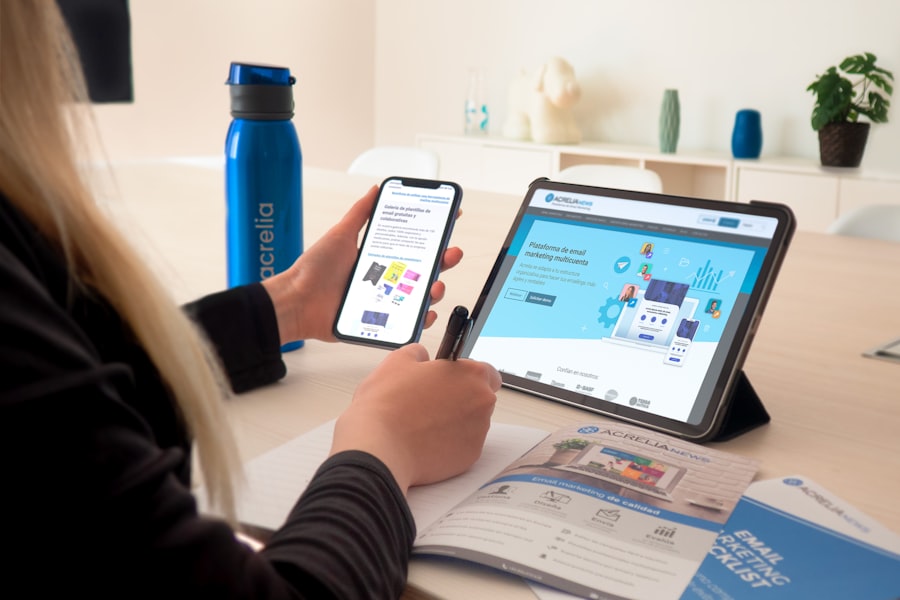
Scaling isn’t a one-time setup; it’s an ongoing process of refinement. You must diligently monitor your campaign performance, identify opportunities for improvement, and iterate based on data. What worked at a smaller scale might not be optimal for a larger audience, or new trends might emerge.
Key Metrics to Track
Go beyond vanity metrics and focus on what truly drives your business objectives.
- Open Rate (OR): While declining in importance due to privacy changes (Apple’s Mail Privacy Protection), it still gives an indication of subject line effectiveness and sender reputation.
- Click-Through Rate (CTR): Your most important engagement metric. It shows how compelling your content and calls to action are.
- Conversion Rate (CR): The ultimate measure of success for lead generation, sales, or other desired actions. Track conversions directly attributable to your email campaigns.
- Subscriber Growth Rate: How quickly is your list expanding? Are your acquisition efforts bearing fruit?
- Unsubscribe Rate: A healthy unsubscribe rate is normal, but a sudden spike indicates a problem with content, frequency, or targeting.
- Bounce Rate (Hard & Soft): High bounce rates damage your sender reputation. Focus on list hygiene.
- Spam Complaint Rate: Aim for as close to 0% as possible. High rates are a red flag for deliverability and sender reputation.
- Revenue Per Email: A crucial metric for e-commerce, showing the direct financial impact of your emails.
- Customer Lifetime Value (CLTV) by Email Segment: Understand which segments are most profitable and tailor your strategies accordingly.
A/B Testing and Experimentation
Never stop testing. Small, incremental improvements across multiple elements of your email campaigns can lead to significant gains at scale.
- Subject Lines: Test length, emojis, personalization, urgency, and questions.
- Preheaders: This often-overlooked element can significantly impact open rates.
- Call-to-Action (CTA): Test text, button color, placement, and size.
- Content Layout and Design: Experiment with single-column vs. multi-column, image placement, and visual hierarchy.
- Offer Type and Placement: Test different discounts, freebies, or content upgrades.
- Send Times and Days: Experiment to find when your specific audience is most receptive.
- Email Frequency: Find the sweet spot between staying top-of-mind and overwhelming your subscribers.
- Sender Name: Test variations to see what resonates best with your audience (e.g., “Company Name” vs. “Team at Company Name” vs. “Founder’s Name”).
Maintaining Deliverability and List Hygiene
| Metrics | Description |
|---|---|
| Open Rate | The percentage of recipients who opened the email |
| Click-Through Rate (CTR) | The percentage of recipients who clicked on a link in the email |
| Conversion Rate | The percentage of recipients who completed a desired action after clicking on a link in the email |
| List Growth Rate | The rate at which your email list is growing |
| Subscriber Engagement | The level of interaction and interest from your email subscribers |
As your list grows, so does the importance of maintaining an excellent sender reputation and ensuring your emails actually land in the inbox, not the spam folder. Poor deliverability undermines all your scaling efforts.
Proactive List Cleaning
A clean list is a healthy list. Don’t be afraid to remove inactive subscribers. They are costing you money and harming your sender reputation.
- Regularly Remove Hard Bounces: These are permanent delivery failures and should be eliminated immediately.
- Segment and Re-engage Inactive Subscribers: Define “inactive” (e.g., no opens/clicks in 90-180 days). Send a dedicated re-engagement campaign. If they still don’t respond, consider removing them.
- Implement a Sunsetting Policy: Have a clear guideline for when you will remove non-responsive subscribers from your list.
- Remove Spam Traps: Good quality opt-in processes and validation tools help prevent these from entering your list.
- Use Email Verification Tools: Regularly run your list through a verification service to catch invalid or risky email addresses.
Sender Reputation Management
Your sender reputation is like your credit score with Internet Service Providers (ISPs). A good score means your emails are more likely to be delivered.
- Maintain Consistent Sending Volume (Initially): Avoid sudden, large spikes in email volume if you’re a new sender or dramatically increasing your list size. ISPs see this as suspicious. Warm up your sending.
- Avoid Spammy Language and Design: Refrain from excessive capitalization, exclamation marks, suspicious links, and image-heavy emails with little text.
- Authenticate Your Emails (SPF, DKIM, DMARC): These technical configurations verify that your emails are legitimate and prevent spoofing. They are critical for deliverability.
- Monitor Blacklists: Regularly check if your domain or IP address has been blacklisted.
- Respond to Spam Complaints Promptly: If a subscriber reports your email as spam, address the issue and prevent future occurrences.
- Offer Easy Unsubscribe: Make it clear and simple for people to unsubscribe. Forcing them to jump through hoops will only lead to spam complaints.
- Segment and Personalize: Sending highly relevant content reduces unsubs and spam complaints, improving your sender reputation.
By implementing these strategies, you’re not just sending more emails; you’re building a sophisticated, efficient, and highly effective email marketing machine that can adapt, grow, and consistently deliver outstanding results, no matter the scale of your audience. Embracing these techniques will empower you to transform your email marketing from a tactical effort into a powerful engine for sustainable business growth.
FAQs
What is email marketing?
Email marketing is a digital marketing strategy that involves sending commercial messages to a group of people using email. It is commonly used to promote products, services, or events, as well as to build brand awareness and customer loyalty.
Why is scaling email marketing campaigns important?
Scaling email marketing campaigns is important because it allows businesses to reach a larger audience, increase their customer base, and ultimately drive more sales and revenue. By effectively scaling their email marketing efforts, businesses can maximize their return on investment and achieve their marketing goals.
What are some effective strategies for scaling email marketing campaigns?
Some effective strategies for scaling email marketing campaigns include segmenting the email list based on customer behavior and preferences, automating email workflows to save time and resources, personalizing email content to increase engagement, and continuously testing and optimizing email campaigns for better results.
What are the benefits of scaling email marketing campaigns effectively?
Scaling email marketing campaigns effectively can lead to increased brand awareness, higher customer engagement, improved customer retention, and ultimately, higher conversion rates and sales. It also allows businesses to reach a larger audience and maximize the impact of their marketing efforts.
What are some common challenges in scaling email marketing campaigns?
Some common challenges in scaling email marketing campaigns include maintaining email deliverability and avoiding spam filters, managing a growing email list effectively, ensuring consistent and relevant content for a larger audience, and staying compliant with data privacy regulations such as GDPR and CAN-SPAM.