

You’re staring at your email marketing dashboard, and a familiar question creeps into your mind: “What am I really doing with these emails?” You send them out, you check the open rates, you see a few clicks, but it feels a bit like flinging darts in the dark. You’re hoping for results, but you’re not entirely sure how you’re getting there, or if there’s a more strategic, less haphazard way to nurture your audience.
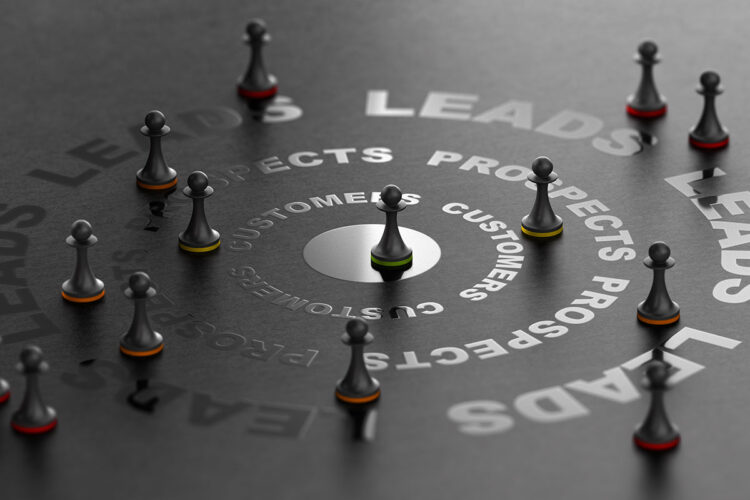
This is where the magic of email marketing funnels comes in. Think of it not as a series of disconnected email blasts, but as a carefully orchestrated journey you guide your potential customers on, from the moment they first show interest to the point where they’re not just buying, but actively recommending you. It’s about building relationships, providing value, and ultimately, transforming a casual inquirer into a devoted advocate for your brand.
Understanding your email marketing funnel is the key to unlocking consistent growth and building a truly engaged customer base. It’s about moving beyond vanity metrics and focusing on tangible business outcomes. This guide will walk you through the entire process, from capturing your first lead to fostering unwavering loyalty.
Before you even think about crafting your first email, you need to establish a solid understanding of your overall marketing goals and, more importantly, the people you’re trying to reach. This upfront thinking will save you countless hours of wasted effort and ensure your funnel is designed for success.
Defining Your Ultimate Goal
What are you trying to achieve with your email marketing? Is it to drive direct sales, generate leads for your sales team, increase brand awareness, or foster community engagement? Your overarching goal will dictate the structure and messaging of your entire funnel.
Aligning Email Goals with Business Objectives
Consider how your email marketing efforts directly contribute to your company’s broader strategic objectives. If your business goal is to increase subscription revenue, your email funnel should be optimized for sign-ups and feature content that highlights the value of your subscription. If it’s to boost product adoption, your emails will focus on educating users and showcasing advanced features.
Measuring Success Beyond Open Rates
While open rates are a starting point, they don’t tell the whole story. You need to define key performance indicators (KPIs) that align with your business objectives. This could include conversion rates (e.g., purchase, trial sign-up, download), click-through rates on specific calls to action, unsubscribe rates (a high unsubscribe rate might indicate irrelevant content), and ultimately, customer lifetime value.
Identifying Your Ideal Customer Profile (ICP)
Who are you talking to? Without a clear understanding of your audience, your emails will fall flat. Your ICP is a semi-fictional representation of your ideal customer, based on data and market research.
Crafting Detailed Buyer Personas
Go beyond basic demographics. Develop detailed buyer personas that include their pain points, challenges, motivations, aspirations, online behavior, and preferred communication styles. What keeps them up at night? What are their biggest frustrations with existing solutions? What kind of language resonates with them?
Segmenting Your Audience for Targeted Messaging
Recognize that your audience isn’t a monolith. Segment your email list based on demographics, interests, purchase history, engagement level, or any other relevant criteria. This allows you to deliver highly personalized and relevant content at each stage of the funnel, significantly increasing the effectiveness of your campaigns.
Choosing the Right Email Service Provider (ESP)
Your ESP is the engine that powers your email marketing. It’s crucial to select a platform that offers the features you need to build, automate, and track your funnels.
Essential Features for Funnel Building
Look for features like automation capabilities (for triggered emails and drip campaigns), segmentation tools, A/B testing, robust analytics, integration with other marketing and CRM tools, and landing page builders.
Scalability and Budget Considerations
As your email list grows and your funnel becomes more sophisticated, you’ll need an ESP that can scale with your business. Consider your current budget and how the pricing structure will evolve as your needs change.
Stage 1: The Introduction – Capturing Your Lead
This is where you first encounter a potential customer. They’ve shown some interest – perhaps by visiting your website, downloading a piece of content, or interacting with your social media. Your primary goal here is to capture their email address and initiate a relationship.
Compelling Lead Magnets: The Irresistible Offer
A lead magnet is a valuable piece of content or a resource that you offer for free in exchange for an email address. It needs to be genuinely appealing to your target audience and directly related to their interests and likely needs.
Types of Effective Lead Magnets
- Ebooks and Guides: In-depth resources that solve a specific problem or provide comprehensive information.
- Checklists and Templates: Actionable tools that help users accomplish a task more easily.
- Webinars and Online Courses: Educational content that provides significant value and expertise.
- Free Trials and Demos: For SaaS products or services, offering a taste of your offering is a powerful lead magnet.
- Discount Codes and Exclusive Offers: Immediate gratification can be a strong motivator.
- Quizzes and Assessments: Interactive content that provides personalized insights and captures user data.
Designing High-Converting Landing Pages
Your lead magnet needs a dedicated landing page. This page should be focused, persuasive, and clearly articulate the value proposition of your offer.
- Clear Headline: Immediately convey the benefit of the lead magnet.
- Benefit-Oriented Copy: Focus on what the user will gain, not just what it is.
- Visually Appealing Design: Use relevant images or graphics.
- Simple and Prominent Form: Minimize the number of fields required, ideally just email.
- Strong Call to Action (CTA): Make it explicit what you want them to do (e.g., “Download Now,” “Get Your Free Guide”).
- Social Proof (Optional but Recommended): Testimonials or download numbers can build trust.
The Crucial First Email: Beyond the Welcome
Once someone opts in, sending an immediate and well-crafted welcome email is paramount. This first interaction sets the tone for your future communications.
Delivering the Promised Value Instantly
Your welcome email must deliver the lead magnet you promised. Don’t make them wait! Provide a direct link to download the ebook, access the webinar, or use the discount code.
Setting Expectations for Future Communications
Use this email to briefly introduce your brand, explain what they can expect from your emails (e.g., frequency, types of content), and reiterate the benefits of being on your list. This helps manage expectations and reduces the likelihood of unsubscribes.
The “Thank You” and Next Steps
A simple thank you can go a long way. Clearly outline the next logical step they should take, whether it’s exploring your website, checking out a recommended article, or joining your community.
Stage 2: Nurturing Interest – Building Trust and Value
Now that you have their email address, the real work of building a relationship begins. This stage is all about providing consistent value, educating your lead about their problems and your solutions, and establishing yourself as a trusted authority.
The Power of Drip Campaigns: Automated Value Delivery
Drip campaigns (also known as automated email sequences) are a series of emails sent automatically to a segment of your audience over a specific period. They are the backbone of your nurturing efforts.
Designing Your Nurturing Sequence
- Purposeful Progression: Each email should build upon the previous one, guiding the lead logically through their decision-making process.
- Mix of Content Types: Don’t just sell. Incorporate educational content, case studies, testimonials, behind-the-scenes glimpses, and social proof.
- Address Pain Points Explicitly: Show that you understand their challenges and offer solutions.
- Vary Your CTAs: While some emails will lead towards a conversion, others can encourage engagement, like replying to an email or visiting a blog post.
- Timing is Key: Consider the optimal cadence for your audience. Too frequent can be annoying; too infrequent can lose momentum.
Common Nurturing Campaign Themes
- Problem-Awareness Campaigns: Focus on educating leads about the problems they might be facing, even if they haven’t fully recognized them yet.
- Solution-Awareness Campaigns: Introduce your product or service as a viable solution to those problems.
- Product/Service Education Campaigns: Detail the features, benefits, and unique selling propositions of what you offer.
- Customer Success Story Campaigns: Share testimonials, case studies, and success stories to build credibility.
Providing Educational Content: Becoming the Expert
Your leads are looking for answers. By consistently offering valuable, educational content, you position yourself as the go-to expert in your niche.
Blog Post Summaries and Highlights
Share links to your latest blog posts, but don’t just send a generic link. Provide a compelling summary that highlights the key takeaways and encourages clicks.
Curated Content and Industry Insights
Show that you’re knowledgeable about the broader industry. Share relevant articles, research, and news from other reputable sources, adding your own commentary and insights.
“How-To” Guides and Tutorials
Empower your audience with practical knowledge. These emails can be highly appreciated and build goodwill.
Building Trust Through Social Proof and Transparency
People are more likely to buy from brands they trust. Social proof and transparency are powerful tools for building that trust.
Showcasing Testimonials and Reviews
Integrate customer testimonials, reviews, and star ratings into your nurturing emails. This provides authentic endorsements from real people, which is incredibly persuasive.
Sharing Case Studies and Success Stories
Detailed case studies demonstrate how you’ve helped others achieve tangible results. They offer a deeper dive into the problem-solution-outcome narrative.
Being Transparent About Your Brand and Values
Share your company’s mission, values, and even behind-the-scenes glimpses. This humanizes your brand and creates a deeper connection with your audience.
Stage 3: The Conversion – Turning Interest into Action
At this point, your leads are likely aware of their problem, understand your solution, and trust your brand. This stage is about making it easy and compelling for them to take the desired action, whether that’s making a purchase, booking a consultation, or signing up for a premium service.
The Art of the Promotional Email: Strategic Offers
While nurturing is about value, promotional emails are designed to drive a specific action. They need to be impactful, clear, and offer a compelling reason to act now.
Crafting Irresistible Offers and Incentives
- Limited-Time Discounts: Create urgency with timed price reductions.
- Bundles and Packages: Offer added value by combining products or services.
- Free Shipping or Bonuses: Remove friction or add extra perks.
- Early Bird Access: For new product launches or special events.
Creating Urgency and Scarcity
- Countdown Timers: Visually communicate the approaching deadline for an offer.
- Limited Stock Notices: If applicable, highlight when an item is in limited supply.
- Exclusive Access: Frame the offer as something only available to a select group.
Designing High-Converting Sales Pages and Checkout Processes
Your email should drive traffic to a dedicated sales page or offer. This page needs to be optimized for conversion, and the checkout process must be seamless.
The Principles of Persuasive Sales Page Copy
- Reinforce Benefits: Reiterate the core value proposition.
- Address Objections: Proactively answer common questions and concerns.
- Clear and Concise CTAs: Guide users to the next step.
- Strong Visuals: High-quality product images or service demonstrations.
- Trust Signals: Guarantee seals, secure payment icons, and customer reviews.
Minimizing Friction in the Checkout Experience
A clunky or confusing checkout process is a major conversion killer.
- Guest Checkout Option: Don’t force account creation.
- Clear Summary of Items and Costs: No hidden fees.
- Multiple Payment Options: Offer popular and trusted payment methods.
- Mobile-Friendly Design: Ensure a smooth experience on all devices.
- Progress Indicators: Show users how far along they are in the checkout process.
Abandoned Cart and Browse Abandonment Campaigns
Not everyone converts on their first attempt. These specialized campaigns are designed to recover lost sales.
Recovering Abandoned Carts
Send a series of emails to users who added items to their cart but did not complete the purchase. These emails often include reminders of the items in their cart, a direct link to complete the purchase, and sometimes a small incentive.
Re-engaging Browse Abandoners
If a user viewed specific product pages or spent significant time on your site without adding anything to their cart, you can send targeted emails highlighting those products or offering related recommendations.
Stage 4: Post-Purchase Engagement – Delight and Retain
| Stage | Metric | Description |
|---|---|---|
| Lead Generation | Open Rate | The percentage of recipients who opened the email. |
| Lead Nurturing | Click-Through Rate | The percentage of recipients who clicked on a link within the email. |
| Conversion | Conversion Rate | The percentage of recipients who completed the desired action, such as making a purchase. |
| Loyalty | Retention Rate | The percentage of customers who continue to make purchases over time. |
The sale isn’t the end; it’s just the beginning of a long-term relationship. This stage focuses on ensuring customer satisfaction, encouraging repeat business, and turning customers into advocates.
The Crucial Post-Purchase Emails: More Than Just a Receipt
The emails you send after a purchase are critical for building loyalty and preventing buyer’s remorse.
Order Confirmation and Shipping Updates
While functional, these emails can also offer opportunities. Include links to helpful resources about the product, FAQs, or a thank you message.
Onboarding and Getting Started Guides
For products or services that require setup, provide clear, step-by-step guides to help users get the most out of their purchase. This can significantly reduce customer support inquiries and increase product adoption.
Requesting Feedback and Reviews
Actively seek feedback from your customers. This shows you value their opinion and provides valuable insights for improvement.
Encouraging Repeat Purchases and Upsells
Loyal customers are your most valuable asset. Focus on nurturing these relationships to drive repeat business.
Loyalty Programs and Exclusive Offers
Reward your existing customers with special discounts, early access to new products, or exclusive perks.
Product Recommendation Emails
Based on their past purchases, recommend complementary products or upgrades that align with their interests.
Cross-selling Opportunities
If a customer purchased a specific item, suggest relevant accessories or related products they might also need or enjoy.
Turning Customers into Advocates: The Power of Referrals and Community
Your happiest customers are your best marketers. Empower them to spread the word.
Referral Programs
Incentivize customers to refer their friends and family. This can be a powerful driver of new customer acquisition.
Building a Community Around Your Brand
Create dedicated online spaces (e.g., Facebook groups, forums) where your customers can connect with each other and with your brand. This fosters a sense of belonging and loyalty.
User-Generated Content (UGC) Campaigns
Encourage customers to share their experiences with your products or services on social media. Feature this UGC in your emails and on your website.
Stage 5: Re-engagement and Loyalty – Long-Term Growth
Even your most loyal customers can become inactive. This final stage focuses on re-engaging dormant subscribers and customers, and continuously nurturing the relationships you’ve built to ensure long-term customer lifetime value.
Identifying and Re-engaging Inactive Subscribers
Not every email in your sequence will result in immediate action, and some subscribers may eventually disengage. It’s crucial to have a strategy for these individuals.
Defining “Inactive” for Your Audience
Establish clear criteria for what constitutes an inactive subscriber. This might be based on a lack of opens or clicks over a specific period (e.g., 90 days, 6 months).
Crafting Targeted Win-Back Campaigns
Design specific email sequences aimed at re-engaging inactive subscribers. These campaigns should acknowledge their absence and offer compelling reasons to re-engage.
- “We Miss You” Offers: A special discount or a reminder of the value you provide.
- Preference Center Updates: Allow them to update their preferences and customize the type of content they receive.
- Last Chance Emails: If all else fails, send a final email before removing them from your active list, informing them that they will be unsubscribed unless they take action.
Maximizing Customer Lifetime Value (CLV)
Your ultimate goal should be to increase the total revenue a customer generates for your business over their entire relationship with you.
Analyzing Customer Behavior for Retention Strategies
Continuously analyze your customer data to identify patterns and predict churn. Use this information to proactively implement retention strategies.
Offering Exclusive Content and Early Access
Make your most loyal customers feel special by providing them with exclusive content, behind-the-scenes access, or early bird access to new products and features.
Personalized Communication and Support
As customers become more valuable, tailor your communication and support to their specific needs and preferences. This demonstrates that you understand and appreciate them individually.
The Evolving Nature of Your Funnel
Your email marketing funnel is not a static entity. It’s a living, breathing system that needs continuous monitoring, testing, and optimization.
The Importance of A/B Testing
Regularly test different subject lines, email copy, CTAs, send times, and even entire email sequences to identify what resonates best with your audience.
Analyzing Data and Iterating
Dive deep into your analytics. Understand which emails are performing well, where users are dropping off, and what segments are most engaged. Use this data to inform your adjustments and improvements.
Staying Ahead of Trends and Audience Preferences
The digital landscape and customer expectations are constantly changing. Stay informed about new email marketing best practices, emerging technologies, and evolving consumer behavior to ensure your funnel remains effective.
By understanding and implementing a well-defined email marketing funnel, you can move beyond sending sporadic emails and instead craft a powerful, automated system that nurtures leads, drives conversions, and builds lasting customer loyalty. It’s a journey of value, trust, and continuous engagement that will ultimately lead to sustainable business growth.
FAQs
What is an email marketing funnel?
An email marketing funnel is a series of emails that are strategically designed to guide a potential customer through the stages of the buying process, from lead to loyal customer. It typically includes emails that provide valuable content, build trust, and ultimately drive the recipient to make a purchase.
What are the stages of an email marketing funnel?
The stages of an email marketing funnel typically include awareness, interest, consideration, conversion, and loyalty. Each stage is targeted at different segments of the audience and aims to move them closer to making a purchase and becoming a loyal customer.
How can businesses use email marketing funnels effectively?
Businesses can use email marketing funnels effectively by understanding their target audience, creating valuable and relevant content, segmenting their email list, and using automation to deliver the right message at the right time. It’s also important to track and analyze the performance of the funnel to make necessary adjustments.
What are some best practices for creating an effective email marketing funnel?
Some best practices for creating an effective email marketing funnel include defining clear goals for each stage of the funnel, personalizing the content based on the recipient’s behavior and preferences, optimizing for mobile devices, and testing different elements such as subject lines, calls to action, and timing.
What are the benefits of using email marketing funnels?
The benefits of using email marketing funnels include building and nurturing relationships with potential customers, increasing brand awareness and engagement, driving sales and conversions, and ultimately turning leads into loyal customers. It also allows businesses to automate and scale their marketing efforts.