
You’ve launched your business, perfected your product, and now you’re ready to conquer the market. But attracting a customer is just the beginning of a much longer, more intricate dance. To truly thrive, you need to understand and nurture your customers through every stage of their journey with you. This is where the power of email marketing truly shines. You’ll discover how to leverage this direct, personal channel to guide your customers from curious browsers to loyal advocates, ensuring they not only make a purchase but also come back for more, time and time again.
Before you can craft compelling emails, you need to grasp the fundamental stages your customers will navigate. Think of it as a journey with distinct milestones, each presenting unique opportunities for you to engage and add value. By recognizing where your customer is at any given moment, you can tailor your messaging for maximum impact, avoiding generic blasts that often end up in the digital graveyard of spam folders.
Acquisition: Turning Strangers into Prospects
This is where your journey with a new customer begins. They might be stumbling upon your website for the first time, clicking an ad, or hearing about you through a friend. Your primary goal here is to capture their interest and, crucially, their email address. This isn’t just about getting a number; it’s about gaining permission to start a conversation, to build a relationship.
- Welcome Series: This is arguably the most critical email sequence you’ll send. It sets the tone for your entire relationship. Don’t just say “hello”; introduce yourself, your brand’s unique value proposition, and what they can expect from you. Consider offering an incentive like a discount code or a valuable piece of content to encourage their first interaction.
- Example 1: The “What to Expect” Welcome. You receive an email immediately after signing up for a newsletter. It clearly outlines the frequency of emails, the type of content you’ll receive (e.g., “weekly tips,” “exclusive offers”), and links to popular blog posts or resources. This manages expectations and provides instant value.
- Example 2: The “Getting Started” Welcome with an Incentive. You sign up for an online course platform. The first email not only welcomes you but offers a “first lesson free” or a “10% off your first course” coupon. It also includes a short video tutorial on how to navigate the platform.
- Example 3: The “Brand Story” Welcome. For a lifestyle brand, the welcome email might share the founder’s story or the brand’s mission, connecting with the new subscriber on an emotional level before pushing products.
Activation: Guiding Them to Their First Success
Once you have their attention, your next step is to encourage them to take that first meaningful action. This could be making a purchase, trying out a free trial, or engaging with a key feature of your product or service. You want to make this initial experience as seamless and rewarding as possible, proving the value you offer.
- Onboarding Emails (Product/Service Focused): If your offering has a learning curve, well-structured onboarding emails are indispensable. Break down complex processes into digestible steps, offer tutorials, and highlight key features that will bring immediate benefit.
- Example 1: The “Feature Spotlight” Email. You’ve signed up for a project management tool. Over the next few days, you receive emails highlighting one key feature per email, like “How to Create Your First Task” or “Collaborate with Your Team in Real-Time.” Each email includes screenshots or a short GIF.
- Example 2: The “Achieve Your Goal” Email. For a fitness app, an email might prompt you to set your first fitness goal and then offer a personalized workout plan to get started, emphasizing the immediate benefits.
- Example 3: The “Tips & Tricks” Email. After purchasing a new software, you receive an email with “5 Essential Tips to Get the Most Out of [Software Name],” addressing common pain points and offering solutions.
- Abandoned Cart Recovery: A classic for a reason. Many customers add items to their cart but don’t complete the purchase. A gentle reminder, perhaps with a slight incentive or social proof, can often nudge them across the finish line.
- Example 1: The “Gentle Reminder” Email. You left items in your cart. An email arrives saying, “Did you forget something? Your items are waiting!” with a direct link back to your cart.
- Example 2: The “Problem-Solving” Abandoned Cart Email. Along with the reminder, the email might address common reasons for abandonment, such as offering free shipping if the order meets a certain threshold or highlighting a flexible return policy.
- Example 3: The “Limited-Time Offer” Abandoned Cart Email. “Your cart is expiring soon! Complete your purchase within the next 24 hours to get 10% off.” (Use sparingly to avoid conditioning customers to always expect a discount).
Nurturing: Fostering Engagement and Loyalty
Once a customer has made their initial purchase or engaged with your product, the work isn’t over – it’s just beginning. This phase is all about building a lasting relationship, providing ongoing value, and demonstrating that you care beyond the transaction. This is where you transform a one-time buyer into a repeat customer.
- Post-Purchase/Post-Engagement Follow-Ups: Don’t just send a confirmation. Express gratitude, offer support, and provide relevant content that enhances their experience.
- Example 1: The “Thank You & Here’s What’s Next” Email. After a purchase, you receive a thank you email with order details, tracking information, and perhaps a link to a guide on how to use their new product or suggestions for complementary items.
- Example 2: The “How Was Your Experience?” Email. A few days after receiving their product, you get an email asking for feedback or a review, showing that you value their opinion.
- Example 3: The “Related Content” Email. If someone bought a camera, you might send an email with “Top 5 Photography Tips for Beginners” or “Accessories to Elevate Your Shots.”
- Content Marketing Emails: Share valuable, educational, or entertaining content related to your industry or products. This positions you as an expert and keeps your brand top-of-mind without constantly pushing sales.
- Example 1: The “Educational Newsletter.” You subscribe to a gardening supply store. You regularly receive newsletters featuring seasonal planting guides, pest control tips, and new product announcements.
- Example 2: The “Behind-the-Scenes” Email. A craft beer company might send an email detailing their brewing process or introducing their team, fostering a sense of community and authenticity.
- Example 3: The “Problem/Solution” Email. If you sell eco-friendly products, you might send an email discussing a common environmental problem and how your products offer a sustainable solution.
- Personalized Recommendations: Leverage data about their past purchases and browsing behavior to suggest products or services they might genuinely be interested in.
- Example 1: The “Customers Also Bought” Email. After purchasing a specific book, you receive an email with recommendations for other books by the same author or in the same genre.
- Example 2: The “Based on Your Browsing” Email. You viewed several pairs of running shoes. You receive an email showcasing those shoes again, perhaps with a special offer or reviews from other runners.
- Example 3: The “Replenishment Reminder” Email. If you sell consumables (coffee, supplements, cosmetics), an email reminding customers when they might be running low and offering an easy reorder option is highly effective.
Retention: Keeping Them Coming Back
The cost of acquiring a new customer is significantly higher than retaining an existing one. Your retention strategies through email marketing should focus on demonstrating ongoing value, rewarding loyalty, and reminding customers why they chose you in the first place.
- Loyalty Programs and Exclusive Offers: Make your best customers feel special. Offer them early access to sales, exclusive discounts, or points-based rewards.
- Example 1: The “VIP Early Access” Email. You’re a loyal customer of a fashion brand. Before a major sale goes public, you receive an email granting you 24-hour early access, making you feel appreciated.
- Example 2: The “Birthday/Anniversary Discount” Email. On your birthday or the anniversary of your first purchase, you receive a special discount code as a thank you.
- Example 3: The “Earn Points/Tier Upgrade” Email. For a rewards program, an email might update you on your points balance and show you how close you are to reaching the next loyalty tier with enhanced benefits.
- Feedback and Surveys: Actively solicit feedback. Not only does this show you value their opinion, but it also provides invaluable insights for improving your products and services.
- Example 1: The “Quick Survey” Email. After using a service or receiving a product, you get a short, 2-question survey asking about your satisfaction level.
- Example 2: The “Feature Request” Email. For a software company, an email might ask users what new features they would like to see, directly involving them in product development.
- Example 3: The “Customer Story Submission” Email. Encourage customers to share their success stories or how they use your product, creating user-generated content and community.
- Re-engagement Campaigns: Sometimes customers drift away. A well-crafted re-engagement campaign can rekindle their interest and bring them back into your fold.
- Example 1: The “We Miss You” Email with an Offer. You haven’t purchased in a while. An email arrives saying, “We miss you! Here’s 15% off your next order to welcome you back.”
- Example 2: The “What’s New?” Re-engagement. An email highlighting new products, features, or updates that have been released since their last interaction, reminding them of the value they might be missing.
- Example 3: The “Why Did You Leave?” Survey. For subscription services, if a customer cancels, a polite email asking for the reason can provide crucial data to prevent future churn.
In exploring the intricacies of customer engagement, a related article that delves deeper into the strategies of effective email marketing is “The Importance of Personalization in Email Campaigns.” This piece highlights how tailoring content to individual preferences can significantly enhance customer retention and satisfaction. By understanding the nuances of the customer lifecycle, marketers can better implement personalized approaches to their email campaigns. For more insights, you can read the article here.
Advocacy: Turning Customers into Brand Champions
The ultimate goal. When customers are not only loyal but also actively promoting your brand to others, you’ve achieved true advocacy. These are your superfans, and their endorsements are incredibly powerful.
- Referral Programs: Encourage satisfied customers to spread the word by rewarding them (and their friends) for successful referrals.
- Example 1: The “Refer a Friend” Email. After a positive experience, you receive an email inviting you to refer friends and receive a discount or bonus for each successful referral.
- Example 2: The “Share Your Love” Social Media Prompt. An email encouraging you to share your purchase or experience on social media, perhaps with a specific hashtag, and enter a contest.
- Testimonial and Review Requests: Make it easy for happy customers to share their positive experiences. Public reviews build trust and act as powerful social proof for new prospects.
- Example 1: The “Leave a Review” Email. A few days after receiving a product, you get an email asking you to leave a product review on the website, with a direct link.
- Example 2: The “Share Your Story” Email. For service-based businesses, an email inviting satisfied clients to share their success story or provide a testimonial for your website.
- Community Building: Create spaces where your most enthusiastic customers can connect with each other and with your brand. This could be a private Facebook group, a forum, or exclusive events.
- Example 1: The “Join Our Exclusive Community” Email. An invitation to a private online group where loyal customers can connect, share tips, and receive exclusive updates.
- Example 2: The “Attend Our Webinar/Event” Email. An invitation to a special event or webinar featuring product experts, allowing customers to deepen their engagement and knowledge.
For a deeper understanding of how email marketing strategies can effectively engage customers at different stages of their journey, you may find the article “Maximizing Engagement: Email Marketing Strategies for Every Stage of the Customer Journey” particularly insightful. This piece elaborates on various tactics that can be employed to enhance customer interaction and retention. You can read it here: Maximizing Engagement: Email Marketing Strategies for Every Stage of the Customer Journey.
The Foundations of Effective Email Marketing Across the Lifecycle
While the examples above illustrate specific email types for each stage, the success of your overall email marketing strategy hinges on several foundational principles you must consistently apply.
Segmentation: Speak Directly to Your Audience
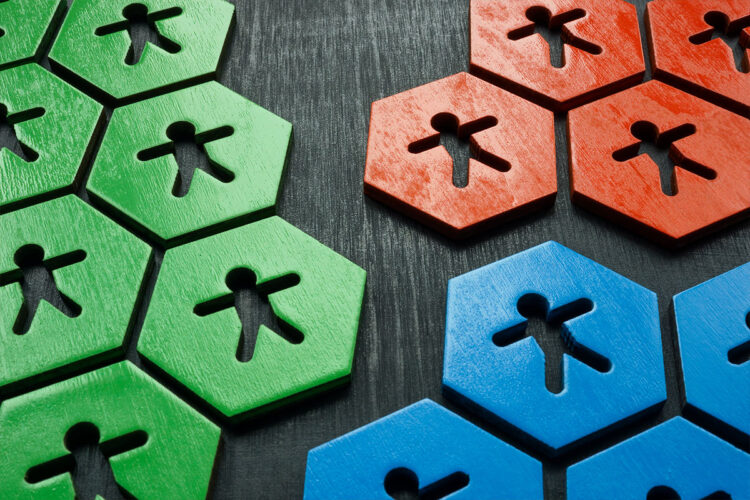
You wouldn’t talk to a first-time visitor the same way you’d talk to a loyal, repeat customer. Segmentation means dividing your email list into smaller, more specific groups based on shared characteristics. This allows you to tailor your messages for maximum relevance.
- Demographic Segmentation: Age, gender, location, income.
- Behavioral Segmentation: Purchase history, website browsing behavior, email engagement (opens, clicks), abandoned carts, product usage.
- Psychographic Segmentation: Interests, values, lifestyle.
- Lifecycle Stage Segmentation: New subscriber, first-time buyer, repeat customer, inactive customer.
The more precisely you segment, the more personalized and impactful your emails will be. For instance, sending an email about “Advanced Product Features” only to customers who have already purchased and actively used the basic version makes much more sense than sending it to everyone.
Personalization: Beyond Just a First Name
Personalization goes far beyond simply inserting a first name. It’s about demonstrating that you understand the individual recipient’s needs, preferences, and journey with your brand.
- Dynamic Content: Showing different product recommendations or content blocks based on individual data.
- Behavior-Triggered Emails: Sending an email when a specific action (or inaction) occurs, like viewing a product but not buying, or reaching a milestone with your service.
- Preference Centers: Allowing subscribers to choose what kind of content they want to receive and how frequently, putting them in control.
True personalization makes your emails feel less like a mass broadcast and more like a one-on-one conversation, dramatically increasing engagement and conversions.
Automation: Scaling Your Efforts
Manually sending hundreds or thousands of emails at the right time to the right person is impossible. This is where marketing automation platforms become your best friend.
- Automated Workflows: Set up sequences that trigger based on specific actions (e.g., “when someone signs up, send welcome email 1, then 3 days later send welcome email 2”).
- Behavioral Triggers: Automatically send emails when a customer views a product, abandons a cart, or hasn’t engaged in a certain period.
- Drip Campaigns: Pre-written series of emails sent over a specific period, ideal for onboarding or educational content.
Automation ensures that your customers receive timely, relevant communications without you having to manually intervene, allowing you to scale your efforts and maintain consistency.
A/B Testing: Continuous Improvement
Never assume your emails are perfect. The best email marketers are constantly testing and optimizing.
- Subject Lines: Test different lengths, emojis, personalization, and calls to action to see what drives higher open rates.
- Call-to-Action (CTA): Experiment with wording, button color, and placement to improve click-through rates.
- Email Content: Test different copy lengths, image usage, and layouts.
- Send Times: Determine when your audience is most likely to open and engage with your emails.
Small tweaks can lead to significant improvements over time. Make A/B testing an integral part of your email marketing strategy across all lifecycle stages.
By meticulously navigating the customer lifecycle with a well-thought-out email marketing strategy, you’re not just sending messages; you’re building relationships, fostering loyalty, and transforming fleeting interest into enduring advocacy. This commitment to continuous engagement will undoubtedly be a cornerstone of your long-term success.
FAQs
What is the customer lifecycle?
The customer lifecycle refers to the stages a customer goes through from the initial awareness of a product or service to the post-purchase relationship with the brand. These stages typically include awareness, consideration, purchase, retention, and advocacy.
How can email marketing be used to target customers at different stages of the lifecycle?
Email marketing can be used to target customers at different stages of the lifecycle by delivering personalized and relevant content. For example, at the awareness stage, emails can focus on introducing the brand and its products. At the retention stage, emails can offer loyalty rewards or personalized recommendations.
What are some examples of email marketing at different stages of the customer lifecycle?
Examples of email marketing at different stages of the customer lifecycle include welcome emails for new subscribers, product recommendation emails for repeat customers, and win-back emails for lapsed customers. These emails are tailored to engage customers based on their current relationship with the brand.
How can email marketing help in customer retention?
Email marketing can help in customer retention by nurturing the relationship with existing customers through personalized communication. This can include sending exclusive offers, providing helpful tips or resources, and requesting feedback to show customers that their loyalty is valued.
What are the key metrics to measure the effectiveness of email marketing in the customer lifecycle?
Key metrics to measure the effectiveness of email marketing in the customer lifecycle include open rates, click-through rates, conversion rates, and customer lifetime value. These metrics provide insights into how well email campaigns are engaging customers and driving desired actions at each stage of the lifecycle.