

Understanding the Core of Customer Engagement
You’ve likely spent countless hours crafting compelling email campaigns, segmenting your lists, and A/B testing subject lines. Yet, despite your best efforts, you might still find yourself staring at open rates that barely budge and click-through rates that underperform. The missing piece of your puzzle, the hidden lever that can transform your email marketing from merely adequate to exceptionally effective, lies in understanding and leveraging customer engagement scores. These scores are far more than just vanity metrics; they represent a quantifiable measure of how your audience interacts with your brand across various touchpoints, with a particular emphasis on email.
Think of an engagement score not as a static number, but as a dynamic fingerprint of your customer’s relationship with you. It aggregates data from their opens, clicks, replies, unsubscribes, time spent on your website after clicking an email, and even their purchase history and social media interactions. This holistic view moves beyond simple transactional data, delving into the behavioral and emotional connection your customers have with your brand. By understanding this connection, you gain the power to personalize your communication, anticipate their needs, and ultimately, build stronger, more profitable relationships. You move beyond treating every subscriber as an anonymous email address and start interacting with them as individuals, each with their own preferences, pain points, and desires. This shift in perspective is foundational to unlocking the true potential of your email marketing efforts. Without a deep understanding of engagement, you’re essentially flying blind, guessing at what resonates and what falls flat.
Defining Customer Engagement Scores
Before you can harness the power of engagement scores, you need to clearly define what they are and how they are calculated. At its most basic, an engagement score is a numerical value assigned to each subscriber or customer, reflecting their level of interaction with your brand. This score isn’t universally standardized; rather, it’s a metric you’ll tailor to your specific business goals and the platforms you use. You might assign points for positive actions (e.g., opening an email, clicking a link, making a purchase) and deduct points for negative actions (e.g., unsubscribing, marking an email as spam, prolonged inactivity). The weighting of these actions is crucial. For instance, a purchase might be worth significantly more points than a simple email open, reflecting its higher value to your business.
Consider a simple scoring model: an email open might be worth 1 point, a click 5 points, a website visit from an email 10 points, and a purchase 50 points. Conversely, an unsubscribe could deduct 100 points. These values are not arbitrary; they should reflect the perceived value of that action to your overall marketing and sales objectives. The more complex your customer journey, the more nuanced your scoring model can become, incorporating factors like recency of interaction, frequency of interaction, and monetary value of purchases. Many email service providers (ESPs) and marketing automation platforms offer built-in engagement scoring capabilities, or you can build your own custom model using data from various sources. The key is to ensure your definition aligns with your strategic objectives, allowing you to segment and target effectively.
The Benefits of Quantifying Engagement
Why bother with the complexity of calculating engagement scores? The benefits are multifaceted and directly impact the efficacy of your email marketing. Firstly, it allows you to identify your most valuable customers – those who are highly engaged and likely to convert or remain loyal. These are the individuals you want to nurture and reward. Secondly, it helps you pinpoint disengaged subscribers, those who are gradually losing interest and might be heading towards unsubscribing. Early detection allows you to re-engage them before they churn completely. Thirdly, and perhaps most powerfully, engagement scores provide the data needed for hyper-personalization. You can tailor content, offers, and even send times based on a subscriber’s engagement level, making your emails far more relevant and impactful.
Imagine sending a special discount offer only to your highly engaged segments, or a “we miss you” campaign with a unique incentive to your less engaged but not yet inactive group. This targeted approach dramatically improves the return on investment of your email marketing efforts. Furthermore, by tracking engagement scores over time, you can identify trends, test new strategies, and continuously optimize your campaigns. If your scores are trending downwards, it’s a clear signal to reassess your content, frequency, or segmentation. If they’re rising, you know you’re on the right track. This data-driven feedback loop is invaluable for continuous improvement and ensures your email marketing remains a dynamic and responsive channel.
In addition to understanding how customer engagement scores can enhance email marketing performance, you may find it beneficial to explore the article on “The Importance of Personalization in Email Marketing.” This article delves into strategies for tailoring your email content to meet the specific needs and preferences of your audience, ultimately driving higher engagement rates. For more insights, you can read the article here.
Segmenting for Superior Performance
Once you’ve established how to calculate customer engagement scores, the real power comes from using these scores to segment your audience. You can move beyond basic demographic or purchase-history segmentation to create highly refined groups based on their behavioral interactions with your brand. This allows you to speak to each segment in a way that resonates with their specific level of interest and commitment, leading to significantly improved email marketing performance. Generic, one-size-fits-all emails are a relic of the past; segmentation based on engagement is the future of effective email communication.
Think about it: would you send the same email to a brand-new subscriber as you would to a loyal customer who buys from you every month? Would you send the same message to someone who consistently opens and clicks your emails as you would to someone who hasn’t opened anything in six months? The answer, intuitively, is no. Engagement-based segmentation provides the data infrastructure to implement these intuitive distinctions systematically. It allows you to tailor your messaging, offers, and even the frequency of your emails to match the specific needs and behaviors of each group, maximizing the impact of every send.
Identifying Highly Engaged Audiences
Your highly engaged subscribers are your champions. They are the ones who consistently open your emails, click on your links, visit your website, and frequently make purchases. These individuals are your brand advocates, your most loyal customers, and the segment you want to nurture and reward above all others. Your engagement score system will naturally highlight these individuals, often assigning them the highest scores. Once identified, you can craft specific strategies to deepen their loyalty and leverage their enthusiasm.
For these segments, you might focus on exclusive content, early access to new products, VIP offers, or even invitations to beta test new features. You could also encourage them to share their positive experiences on social media or leave reviews, amplifying your brand reach organically. The goal isn’t just to sell to them, but to make them feel valued and recognized for their ongoing support. They are your best customers, and treating them as such will only reinforce their commitment to your brand. Furthermore, these highly engaged individuals are often the most receptive to upselling and cross-selling opportunities because they already trust your brand and value your offerings.
Re-Engaging Dormant Subscribers
On the other end of the spectrum are your dormant or disengaged subscribers. These are the individuals whose engagement scores have steadily declined, who haven’t opened an email in months, or who rarely click through to your website. While they haven’t explicitly unsubscribed, their lack of interaction indicates a fading interest. Ignoring them is a missed opportunity, but continuing to send them the same emails as your engaged audience is a recipe for further disengagement and potential spam complaints.
A dedicated re-engagement strategy is crucial for this segment. This often involves a series of emails designed to pique their interest and encourage them to interact again. You might offer a significant discount, ask for their preferences to tailor future communications, or simply ask “Do you still want to hear from us?” with a clear option to update preferences or unsubscribe. The objective is to either reactivate their interest or gracefully remove them from your active list, ensuring your sending reputation remains strong. Sending to dormant subscribers not only wastes resources but also negatively impacts your deliverability rates, as ISPs interpret low engagement as a sign that your emails are not valuable.
Nurturing New Subscribers
New subscribers present a unique challenge and opportunity. They’ve expressed initial interest, but their engagement score is starting from zero. Your goal is to rapidly build that score, moving them towards the highly engaged segment. This requires a carefully crafted welcome sequence that introduces your brand, sets expectations, and provides immediate value.
Your welcome series, triggered automatically upon signup, should aim to educate, entertain, and encourage initial interactions. You might share your brand story, offer a first-purchase discount, highlight your most popular products or content, or invite them to follow you on social media. Each email in the sequence should have a clear call to action designed to elicit a click, helping to build their engagement score from the outset. Monitoring their initial engagement is key; if they don’t open the first few emails, you might adjust the timing or content of subsequent messages. This proactive nurturing helps convert initial interest into sustained engagement.
Elevating Personalization with Engagement Data
You know that personalization is critical to effective email marketing. But truly impactful personalization goes beyond merely inserting a subscriber’s first name. It delves into their preferences, behaviors, and most importantly, their level of engagement. Engagement scores provide the granular data necessary to take your personalization efforts to an entirely new level, moving from basic customization to predictive and highly relevant communication. This is where your email marketing ceases to be a broadcast channel and transforms into a series of individualized conversations.
Think about the difference between a generic email promoting your entire product catalog and an email that features products specifically chosen based on a subscriber’s past purchases, browsing history, and demonstrated engagement with similar items. The latter is far more likely to convert. Engagement scores allow you to identify these patterns and tailor not just the content, but also the frequency and timing of your emails, to match each subscriber’s unique journey.
Dynamic Content Based on Engagement Level
One of the most powerful applications of engagement scores in personalization is the ability to serve dynamic content. This means that different segments of your audience will see different elements within the same email, all powered by their engagement data. For highly engaged subscribers, you might feature advanced products, exclusive offers, or invitations to premium content. For those with moderate engagement, you might showcase best-selling products, user testimonials, or educational content that reinforces your brand’s value proposition.
Conversely, for those whose engagement is slipping, you might use dynamic content to display “win-back” offers, remind them of your unique selling points, or even incorporate a simple survey asking about their interests. The key is that the content isn’t static; it adapts to the individual’s relationship with your brand. This level of customization makes every email feel tailor-made, increasing its relevance and, consequently, its effectiveness. Your email content isn’t just varied by segment; it’s dynamically generated to be most compelling for each recipient.
Optimizing Send Times and Frequency
Your engagement scores can also inform your send times and frequency, ensuring your emails arrive when they are most likely to be opened and read. Highly engaged subscribers might be receptive to more frequent communication, as they actively seek out your content. For them, receiving an email several times a week might be perfectly acceptable, or even desired. Their high engagement indicates a strong interest that can sustain more frequent interaction without feeling overwhelmed.
However, sending the same number of emails to a moderately engaged or dormant segment could quickly lead to unsubscribes or spam complaints. For these groups, a reduced frequency might be more appropriate – perhaps once a week or even bi-weekly. Some advanced email marketing platforms can even use AI to predict the optimal send time for individual subscribers based on their historical engagement patterns. By respecting each subscriber’s preferences and tolerance for communication, guided by their engagement score, you can prevent fatigue and maintain a positive relationship. This tailored approach to frequency is a subtle yet significant way to improve open rates and reduce churn.
Tailoring Offers and Calls to Action
The effectiveness of your calls to action (CTAs) and offers is profoundly influenced by the recipient’s engagement level. A highly engaged customer, already familiar with your brand and products, might respond well to a direct purchase CTA or an offer for a premium upgrade. Their trust is established, and they are likely receptive to direct sales propositions. For them, a simple “Shop Now” or “Upgrade Your Account” might be enough.
For subscribers with lower engagement, a softer, more educational CTA might be more effective. You might encourage them to “Learn More,” “Read Our Latest Article,” or “Discover Our Story,” aiming to rebuild interest and provide value before pushing for a direct sale. Similarly, your offers can be tailored. A substantial discount might be reserved for re-engagement campaigns to tempt dormant subscribers back, while your most loyal customers might receive exclusive access or early bird specials that don’t necessarily involve heavy discounting, but rather emphasize their VIP status. By aligning your offers and CTAs with the engagement level, you maximize the likelihood of a positive response, guiding each segment further down the conversion funnel.
Driving Deliverability and Reputation
Beyond the immediate improvements in open and click-through rates, leveraging customer engagement scores has a profound, long-term impact on your email marketing foundation: deliverability and sender reputation. Internet Service Providers (ISPs) like Gmail, Outlook, and Yahoo are constantly monitoring how recipients interact with your emails. High engagement signals to them that your emails are valuable and desired, while low engagement or high complaint rates signal the opposite. Your engagement score, therefore, acts as a critical factor in whether your emails even reach the inbox.
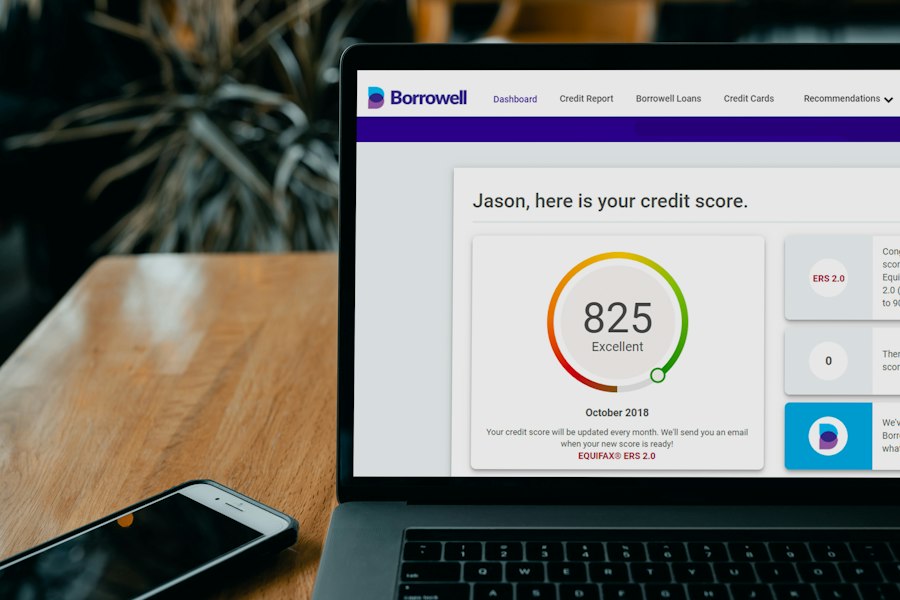
Think of your sender reputation as a credit score for your email marketing. Every interaction, positive or negative, contributes to this score. By actively managing and improving customer engagement through scoring, you are directly investing in a robust sender reputation, which is the bedrock of successful email marketing. Without good deliverability, even the most perfectly crafted email will never be seen.
Reducing Spam Complaints and Unsubscribes
One of the most immediate benefits of an engagement-driven strategy is a reduction in spam complaints and unsubscribes. When you send relevant, timely, and personalized emails to engaged segments, your recipients are less likely to feel overwhelmed, annoyed, or tricked. They perceive your communications as valuable, rather than intrusive. Conversely, sending generic, irrelevant emails to an audience that has shown little interest is a fast track to negative feedback.
By segmenting out your disengaged subscribers and either attempting to re-engage them thoughtfully or removing them from your active lists, you proactively address the segments most likely to complain or unsubscribe. This clean-up process not only improves your overall metrics but also signals to ISPs that you are a responsible sender who respects user preferences. Fewer complaints mean a healthier sender reputation, making it more likely that your future emails will land in the inbox rather than the spam folder.
Improving Open and Click-Through Rates
It’s a virtuous cycle: sending more relevant emails to engaged audiences naturally leads to higher open rates and click-through rates. When subscribers see a subject line from a sender they trust and whose content they consistently enjoy, they are more likely to open it. When the content within that email is tailored to their interests and preferences, they are more likely to click on the links provided.
These improved metrics, in turn, reinforce your positive sender reputation. ISPs observe these higher engagement rates and interpret them as a strong indicator of email quality and user satisfaction. This positive feedback loop means that the more you focus on engagement, the better your open and click rates become, and the stronger your deliverability becomes. It’s a powerful testament to the idea that quality over quantity, driven by engagement data, is the superior path for email marketing success.
Enhancing Inbox Placement
Ultimately, the goal of improving deliverability and reputation is to enhance inbox placement. You want your emails to land in the primary inbox, not the promotions tab (if applicable) or, worse, the spam folder. ISPs use a complex algorithm to determine inbox placement, and subscriber engagement is a major factor. They track opens, clicks, replies, forwards, and whether an email is marked as “not spam.”
By consistently sending engaging content to the right people at the right time, as dictated by your engagement scores, you generate a strong history of positive interactions. This history acts as a green light for ISPs, signaling that your emails are welcome and should be delivered directly to the inbox. Conversely, a history of low engagement, spam complaints, and unsubscribes will trigger red flags, leading to your emails being diverted or blocked. Prioritizing engagement scores is, therefore, a direct investment in ensuring your carefully crafted messages actually reach their intended audience.
In the ever-evolving landscape of digital marketing, understanding the nuances of customer engagement is crucial for enhancing email marketing strategies. A related article that delves deeper into this topic is titled “The Impact of Personalization on Email Open Rates,” which explores how tailored content can significantly boost engagement metrics. By examining the relationship between customer engagement scores and email performance, marketers can develop more effective campaigns that resonate with their audience. You can read more about it in this insightful piece here.
Implementing and Iterating Your Engagement Strategy
| Metric | Description | Impact on Email Marketing Performance | Example Value |
|---|---|---|---|
| Open Rate | Percentage of recipients who open the email | Higher engagement scores correlate with increased open rates, indicating better subject line relevance and timing | 25% |
| Click-Through Rate (CTR) | Percentage of recipients who click on links within the email | Improved engagement scores help tailor content, boosting CTR and driving more traffic | 8% |
| Conversion Rate | Percentage of recipients completing a desired action after clicking | Higher engagement scores enable personalized offers, increasing conversion rates | 3.5% |
| Bounce Rate | Percentage of emails not delivered to recipients | Engagement scoring helps identify inactive or invalid emails, reducing bounce rates | 1.2% |
| Unsubscribe Rate | Percentage of recipients opting out of future emails | Targeted engagement reduces irrelevant emails, lowering unsubscribe rates | 0.5% |
| Engagement Score | Composite score based on opens, clicks, and other interactions | Used to segment audiences for personalized campaigns, improving overall email effectiveness | 75/100 |
You’re convinced. Customer engagement scores are the bedrock of effective email marketing. But how do you go from conceptual understanding to practical implementation? This final section focuses on the steps you need to take to build, integrate, and continuously improve your engagement scoring system. It’s not a one-time setup; it’s an ongoing process of monitoring, adjusting, and optimizing.
The journey to an engagement-driven email strategy requires careful planning, the right tools, and a commitment to data analysis. You’ll need to define your metrics, configure your systems, and then critically evaluate the results to refine your approach. Remember, the best engagement strategy is one that evolves with your audience and your business goals.
Setting Up Your Scoring Model
The first practical step is to define and set up your engagement scoring model. As discussed earlier, this involves identifying the key actions you want to track and assigning a weighted point value to each. Start simple and expand as you gain confidence and data.
Consider these common actions and potential points:
- Email Open: +1 point
- Email Click: +5 points
- Website Visit (from email): +10 points
- Form Submission: +15 points
- Product View: +5 points
- Add to Cart: +20 points
- Purchase: +50 points
- Reply to Email: +10 points
- Social Share (from email content): +15 points
- Unsubscribe: -100 points (or remove from active list)
- Spam Complaint: -500 points (or remove immediately)
- Time Decay: Implement a system where points gradually decrease over time to reflect recency of interaction. For example, deduct 1 point per week for inactivity.
Most modern email marketing platforms (ESPs) and marketing automation platforms offer built-in engagement scoring features that allow you to customize these weights and actions. If your platform doesn’t, you might need to export data and use a spreadsheet or a business intelligence tool to calculate scores manually, or integrate with a third-party scoring solution. Ensure your chosen method allows for regular updates and easy access to scores for segmentation.
Integrating with Your Email Platform
Once your scoring model is defined, you need to ensure it’s integrated seamlessly with your email marketing platform. Ideally, your engagement scores should be a custom field associated with each subscriber record within your ESP. This allows for real-time segmentation and triggering of automated workflows.
If your ESP has native scoring, the integration is often straightforward. You’ll configure the scoring rules within the platform itself. If you’re using a separate tool for scoring or building your own, you’ll need an API integration or regular data imports to sync the scores back to your ESP. The goal is to have dynamic segments update automatically as scores change. For example, a segment called “Highly Engaged” should automatically add subscribers once their score crosses a certain threshold and remove them if their score drops below it. This automation is key to making your engagement strategy scalable and efficient.
Continuous Monitoring and Optimization
Setting up your engagement scoring model is just the beginning. The real work lies in continuous monitoring, analysis, and optimization. Your audience’s behavior can change, your products evolve, and market trends shift. Your engagement strategy must adapt accordingly.
Regularly review your engagement scores across different segments. Are scores trending up or down overall? Are specific segments showing unexpected drops in engagement? Use A/B testing to experiment with different email content, subject lines, send times, and offers based on engagement levels. For example, test two different re-engagement campaigns for your dormant segment to see which performs better. Analyze which types of content generate the highest engagement scores and replicate those successes. Periodically review your scoring weights. Perhaps a product view is more valuable than you initially thought, or a reply is less common and thus should be weighted higher. Solicit feedback from your sales and customer service teams, as they often have qualitative insights into customer engagement that can complement your quantitative data. This iterative process of refinement ensures your engagement strategy remains relevant, effective, and continuously drives better email marketing performance.
FAQs
What is a customer engagement score?
A customer engagement score is a metric used to measure how actively involved and interested a customer is with a brand or company. It takes into account various factors such as email open rates, click-through rates, website visits, and social media interactions.
How can customer engagement scores help improve email marketing performance?
By tracking customer engagement scores, marketers can better understand which customers are most receptive to their emails. This allows for more targeted and personalized email campaigns, leading to higher open rates, click-through rates, and ultimately, improved email marketing performance.
What are some key benefits of using customer engagement scores in email marketing?
Some key benefits of using customer engagement scores in email marketing include increased customer loyalty, improved customer retention, higher conversion rates, better segmentation of email lists, and more relevant and engaging email content.
How can companies calculate customer engagement scores?
Companies can calculate customer engagement scores by assigning numerical values to different customer interactions such as email opens, clicks, website visits, social media likes, and purchases. These values are then used to calculate an overall engagement score for each customer.
What are some best practices for using customer engagement scores in email marketing campaigns?
Some best practices for using customer engagement scores in email marketing campaigns include regularly monitoring and updating engagement scores, segmenting email lists based on engagement levels, personalizing email content based on engagement scores, and testing different strategies to see what resonates best with customers.