

The Power of a Personal Touch: Why Referrals Matter More Than Ever
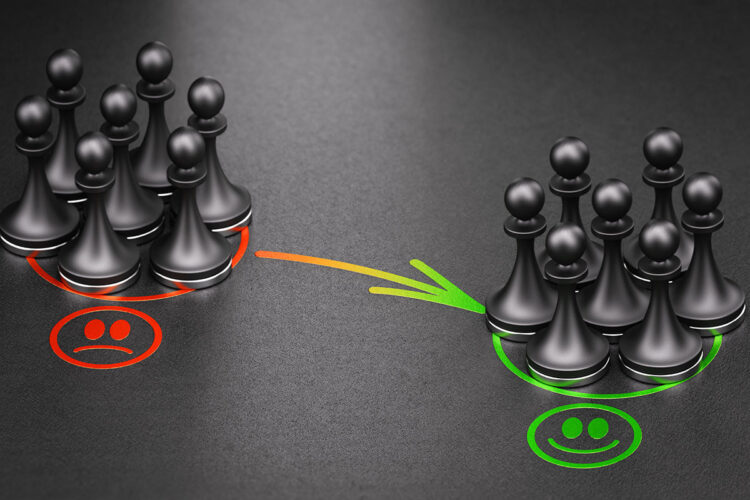
In today’s crowded digital landscape, where consumers are bombarded with advertising messages from every angle, cutting through the noise and building genuine trust is more challenging than ever. You’ve likely invested heavily in various marketing channels, from SEO and PPC to social media and content creation. While these strategies are undoubtedly crucial for visibility and initial customer acquisition, there’s an often underutilized, yet incredibly potent, force that can elevate your brand’s growth exponentially: referral email campaigns. These campaigns aren’t just about getting new customers; they’re about transforming your most loyal patrons into enthusiastic brand advocates, turning their genuine satisfaction into a powerful engine for organic expansion.
Think about your own purchasing decisions. When you’re considering a new product or service, whose opinion do you value most? Is it a well-produced advertisement, or is it a trusted friend or colleague who has had a positive experience? For the vast majority, the answer is unequivocally the latter. This fundamental human tendency towards social proof and word-of-mouth recommendations is precisely what referral email campaigns leverage. By strategically encouraging your existing, satisfied customers to share their positive experiences with their networks, you tap into a wellspring of authentic endorsements that carry far more weight than any traditional marketing message. This isn’t just about a one-off sale; it’s about cultivating a community of passionate supporters who actively champion your brand, leading to higher-quality leads, increased conversion rates, and ultimately, sustainable long-term growth.
This article will delve into the intricacies of crafting effective referral email campaigns, exploring how they not only acquire new customers but also deepen the loyalty of your existing ones, turning them into invaluable brand advocates. We’ll uncover the psychological drivers behind successful referrals, the practical steps involved in setting up and optimizing your campaigns, and the critical metrics you need to track to ensure their continued success in 2026 and beyond. Prepare to unlock the true potential of your customer base and transform their satisfaction into your most powerful marketing asset.
In exploring the impact of referral email campaigns on customer loyalty, it’s also insightful to consider how effective storytelling can enhance these efforts. A related article titled “The Power of Storytelling in Marketing: Engaging Customers Through Narrative” delves into the ways brands can connect with their audience on a deeper level, ultimately fostering advocacy. You can read more about this topic by visiting The Power of Storytelling in Marketing.
Crafting the Irresistible Offer: Incentivizing Advocacy

The cornerstone of any successful referral email campaign lies in its offer. You need to create an incentive structure that is compelling enough to motivate your existing customers to refer, and equally attractive to the prospective new customers they bring in. This isn’t just about throwing money at the problem; it’s about understanding the psychology of your audience and designing a win-win-win scenario for the referrer, the referred, and your brand. A well-thought-out incentive encourages participation, makes the sharing process frictionless, and ultimately drives conversions.
Understanding Your Customer’s Motivations
Before you even think about what to offer, put yourself in your customer’s shoes. Why would they go out of their way to recommend your product or service? While a monetary reward is often a strong motivator, it’s not the only one, and sometimes not even the most effective. Consider intrinsic motivations as well. Do your customers genuinely love your product? Do they feel a sense of pride in being associated with your brand? Do they enjoy helping their friends discover great things? Tapping into these intrinsic desires can often lead to more authentic and enthusiastic referrals. For example, if your brand aligns with a particular lifestyle or community, highlighting how a referral helps a friend join that community can be a powerful motivator.
Designing a Dual-Sided Incentive Structure
The most effective referral programs offer incentives to both the referrer and the referred. This “dual-sided” approach creates a powerful pull from both ends. Your existing customer is motivated to share because they receive a reward, and their friend is motivated to try your product or service because they also receive a benefit.
- For the Referrer:
- Monetary Rewards: This is often the most straightforward and universally appealing. Discounts on future purchases, gift cards (for your brand or a popular retailer), or direct cash bonuses are common. The key is to make the reward significant enough to be enticing, but not so large that it eats into your profit margins too heavily.
- Product/Service Upgrades: If applicable, offering a free month of a premium subscription, an exclusive product, or an upgrade to a higher tier of service can be incredibly valuable to loyal customers who already appreciate your offerings.
- Exclusive Access: Early access to new products, features, or beta programs can be a highly desirable incentive for your most engaged customers who want to be first in line.
- Recognition and Status: For some brands, particularly those with strong community aspects, public recognition, a special badge, or inclusion in a “VIP” program can be a powerful non-monetary reward. This taps into the desire for social status and belonging.
- For the Referred:
- First-Time Purchase Discounts: A percentage off their first order, a fixed dollar amount discount, or a “buy one, get one free” offer are classic and highly effective ways to entice new customers.
- Free Trial Extensions: For subscription-based services, offering an extended free trial period gives new users more time to experience the value before committing.
- Bonus Features/Credits: Providing extra credits, bonus features, or a starter pack can help new users get off to a strong start and see immediate value.
- No-Obligation Gifts: Sometimes a small, valuable gift with their first purchase can be a delightful surprise and encourage conversion.
The exact nature and value of your incentives should be carefully considered based on your product’s price point, your customer acquisition cost (CAC), and your profit margins. Test different offers to see what resonates best with your audience. Remember, the goal is to make the referral process feel like a generous act between friends, not just a transaction.
Clear Communication of the Offer
Once you’ve designed your irresistible offer, the next critical step is to communicate it clearly and concisely within your referral email campaigns. Ambiguity kills conversions. Your customers need to understand exactly what they need to do to refer, what their friend will receive, and what they will receive in return.
- Simple Language: Avoid jargon. Use plain, straightforward language that anyone can understand.
- Visual Cues: Use clear headings, bullet points, and perhaps even a simple graphic to illustrate the offer.
- Prominent Call-to-Action (CTA): Make it incredibly easy for customers to find their unique referral link or sharing options. The CTA should be highly visible and action-oriented (e.g., “Share Your Unique Link,” “Refer a Friend Now,” “Invite Your Network”).
- Terms and Conditions: While not always needing to be front and center in the main email, ensure a clear link to the full terms and conditions is available. Transparency builds trust.
By focusing on a dual-sided, well-communicated incentive structure, you lay a strong foundation for a referral program that genuinely motivates your loyal customers to become enthusiastic brand advocates, bringing in high-quality new customers who are more likely to convert and stick around.
Architecting the Referral Email Campaign Journey

A successful referral program isn’t just a single email; it’s a carefully orchestrated journey that guides your loyal customers through the process of advocating for your brand. This journey involves various touchpoints, each designed to inform, motivate, and facilitate the act of referral. From the initial invitation to ongoing reminders and reward fulfillment, every step needs to be thoughtfully planned and executed to maximize participation and effectiveness.
The Initial Invitation Email
This is often the first interaction your customer has with your referral program, so it needs to make a strong impression. The initial invitation email should be compelling, clear, and easy to act upon.
- Sender Name: Send it from a recognizable and trusted source, ideally your brand name or a specific program manager.
- Compelling Subject Line: Grab attention and clearly state the purpose. Examples: “Share the Love, Get Rewarded!”, “Invite Your Friends, Earn [Reward]!”, “Your Friends Deserve [Your Product/Service] – And You Deserve a Perk!”
- Personalization: Address the customer by name. Leverage any other personalized data you have to make the email feel more individual.
- Highlight the “Why”: Briefly remind them why your product or service is great, reinforcing their existing positive experience.
- Explain the Offer Clearly: Reiterate the dual-sided incentive, emphasizing what both they and their friend will receive. Use an easy-to-understand format (e.g., “You get X, Your friend gets Y”).
- Simple Instructions: Provide step-by-step guidance on how to refer. This often involves a prominent button or link to their unique referral code or sharing portal.
- Strong Call-to-Action (CTA): Make it obvious what you want them to do. “Share Your Link Now,” “Refer a Friend,” “Start Referring Today!”
- Social Sharing Options (Optional but Recommended): Include quick links for sharing on social media platforms like Facebook, Twitter, LinkedIn, or via email.
Follow-Up and Reminder Emails
Not everyone will act on the first email. Life gets busy, inboxes get crowded. Strategic follow-up and reminder emails are crucial to keep your referral program top-of-mind without being overly intrusive.
- Timing: Send follow-ups after a reasonable period (e.g., 7-14 days) if they haven’t yet referred.
- Varying Angles: Don’t just send the same email again. Try different subject lines and body copy that emphasize different benefits or create a sense of urgency.
- “Still Haven’t Shared the Love?”
- “Don’t Miss Out on Your [Reward]!”
- “Imagine Your Friends Enjoying [Benefit of your Product/Service]!”
- Personalized Reminders: If possible, acknowledge if they’ve already shared but their friend hasn’t converted yet. This adds a layer of sophistication and relevance.
- Proof/Testimonials: Sometimes showing how other customers are benefiting from the referral program can be a powerful motivator.
Confirmation and Tracking Emails
Transparency and communication throughout the referral process are paramount for building trust and reinforcing positive behavior.
- Referral Submitted Confirmation: When a customer successfully shares their link or a friend uses their code, send an immediate confirmation. “Thanks for referring [Friend’s Name]!” or “Your referral has been submitted!”
- Referral Status Updates: If the referral process has stages (e.g., friend signs up, friend makes a purchase), keep the referrer updated. “Great news! [Friend’s Name] just signed up!” or “Your friend [Friend’s Name] made their first purchase!” This builds anticipation for their reward.
- Reward Fulfillment Notification: This is arguably the most important email in the sequence. Clearly inform them that their reward has been processed and how they can access it. “Your [Reward] is here!” or “Enjoy your [Reward] for being a great advocate!” Deliver the reward promptly to solidify their positive experience and encourage future referrals.
Onboarding Emails for Referred Customers
While not strictly part of the referral campaign for the referrer, the experience of the referred customer is vital for the overall success of the program. Their positive experience reflects well on the referrer and reinforces the value of your brand.
- Personalized Welcome: Welcome the new customer and acknowledge they were referred by their friend. “Welcome, [New Customer Name]! [Referrer Name] told us you’d love [Your Product/Service].”
- Highlight Their Incentive: Clearly state the discount or benefit they received by being referred and how to redeem it.
- Guidance and Support: Provide immediate value by guiding them through the first steps of using your product or service. This helps them quickly realize the benefits and reduces friction.
- Seamless Onboarding: Ensure their first experience is smooth and positive, fulfilling the promise made by their friend and your brand.
By meticulously planning and automating this series of referral emails, you create a seamless and rewarding experience for both your loyal customers and the new ones they bring in. This structured approach fosters a sense of appreciation, builds trust, and continuously motivates your customer base to become powerful advocates for your brand.
Optimizing for Success: Metrics, A/B Testing, and Personalization
Launching a referral email campaign is just the beginning. To truly turn loyal customers into brand advocates, you need to continuously monitor, analyze, and optimize your efforts. This iterative process of tracking key metrics, conducting A/B tests, and leveraging personalization ensures your campaigns remain effective and deliver maximum ROI. Without ongoing optimization, even the most well-intentioned campaign can fall short of its potential.
Key Metrics to Track
Understanding the performance of your referral program requires focusing on specific, actionable metrics. These metrics provide insights into every stage of the referral funnel, from initial engagement to successful conversions.
- Email Open Rate: This tells you how compelling your subject lines are and how recognized your sender name is. A low open rate indicates issues with visibility or initial interest.
- Click-Through Rate (CTR): Measures how many recipients click on your referral link or call-to-action within the email. A low CTR might suggest your offer isn’t clear, the email content isn’t engaging, or the CTA isn’t prominent enough.
- Share Rate: The percentage of customers who view the referral program page (or receive the email) and actually share their unique link or code. This is a crucial indicator of customer willingness to advocate.
- Conversion Rate (Referrer): The percentage of shared links that result in a new customer signing up or making a purchase. This is the ultimate measure of how effective your referrals are at driving new business.
- New Customer Acquisition Cost (CAC) via Referrals: Calculate the cost associated with acquiring a new customer through the referral program (cost of incentives, platform fees, etc.) divided by the number of new customers. Compare this to your CAC from other channels. Often, referral CAC is significantly lower.
- Referral Revenue: The total revenue generated from customers acquired through the referral program.
- Average Order Value (AOV) of Referred Customers: Referred customers often have a higher AOV because they come pre-vetted with a trusted recommendation. Track this to understand the quality of leads generated.
- Lifetime Value (LTV) of Referred Customers: Crucially, referred customers tend to have a higher LTV, staying with your brand longer and spending more over time. This is a critical metric for demonstrating the long-term value of your referral program.
- Participation Rate: The percentage of your eligible customer base that has actively engaged with the referral program (e.g., clicked the referral link, shared their code).
- Abuse Rate: The percentage of referrals that are deemed fraudulent or self-referrals. While not ideal, tracking this helps you refine your program’s rules and fraud detection mechanisms.
Regularly review these metrics, ideally on a weekly or monthly basis, to identify trends, pinpoint areas for improvement, and celebrate successes.
Leveraging A/B Testing for Continuous Improvement
A/B testing is your secret weapon for optimizing referral email campaigns. Instead of guessing what works best, you can systematically test different elements to see which ones yield the highest engagement and conversion rates.
- Subject Lines: Test different approaches – urgency, benefit-driven, question-based, personalized vs. generic.
- Email Body Copy: Experiment with different messaging, lengths, tones (e.g., formal vs. friendly), and ways of explaining the offer.
- Call-to-Action (CTA): Test button text (e.g., “Refer Now” vs. “Get My Reward”), button color, and placement.
- Incentive Structure: Try varying the value or type of reward for both the referrer and the referred. For example, a 15% discount versus a $10 gift card.
- Visual Elements: Test different images, graphics, or layouts within your emails.
- Sender Name: Does sending from “Your Team at [Brand]” perform better than “Customer Success at [Brand]”?
- Timing and Frequency: Experiment with when you send initial invitations and follow-up emails.
Remember to test one variable at a time to isolate its impact. Use a statistically significant sample size and run tests long enough to gather meaningful data before implementing changes permanently. The insights gained from A/B testing will allow you to constantly refine your campaigns and maximize their effectiveness.
The Power of Personalization
In an era of generic marketing, personalization stands out. Tailoring your referral email campaigns makes them feel more relevant, genuine, and impactful, significantly increasing the likelihood of engagement.
- Recipient Name: Always address customers by their first name. This is a basic but essential personalization.
- Referral Link Personalization: Ensure each customer receives a unique referral link or code that is directly tied to their account.
- Segmentation: Segment your customer base and tailor referral offers or messaging based on their behavior, loyalty level, or product usage.
- High-Value Customers: Offer more exclusive rewards to your top spenders or longest-standing customers.
- Product-Specific Referrals: If you have multiple product lines, encourage referrals for the specific products a customer has purchased and loves.
- Engagement Level: Target engaged customers who frequently interact with your brand, as they are more likely to refer.
- Behavioral Triggers: Send referral invitations based on positive customer actions. For example, after a customer leaves a positive review, completes a high-value purchase, or reaches a certain milestone with your product. This catches them when they are most satisfied and likely to advocate.
- Leverage Previous Interactions: If a customer has previously referred someone, acknowledge this in subsequent communications. “Thanks for your last referral, [Customer Name]! Want to spread the word again?”
- Dynamic Content: Use dynamic content to pull in relevant product recommendations or testimonials based on the customer’s purchase history or browsing behavior.
By diligently tracking metrics, systematically A/B testing, and thoughtfully personalizing your referral email campaigns, you create a robust, high-performing system that continuously turns satisfied customers into enthusiastic brand advocates, fueling sustainable growth for your business.
In exploring the impact of referral email campaigns on customer loyalty, it’s also insightful to consider how effective storytelling can enhance these efforts. A related article discusses the importance of narrative in marketing strategies and how it can foster deeper connections with customers. You can read more about it in this article, which highlights various techniques to engage audiences and turn them into passionate brand advocates.
Building a Culture of Advocacy: Beyond the Email
| Metric | Description | Typical Value / Range | Impact on Brand Advocacy |
|---|---|---|---|
| Referral Email Open Rate | Percentage of recipients who open the referral email | 20% – 40% | Higher open rates increase chances of engagement and sharing |
| Click-Through Rate (CTR) | Percentage of recipients who click on referral links within the email | 5% – 15% | Indicates interest and willingness to refer friends |
| Referral Conversion Rate | Percentage of referred friends who become customers | 10% – 30% | Directly grows customer base and brand advocates |
| Customer Lifetime Value (CLV) Increase | Average increase in CLV from customers acquired via referrals | 15% – 25% higher than non-referred customers | Referred customers tend to be more loyal and engaged |
| Referral Program Participation Rate | Percentage of loyal customers who participate in referral campaigns | 10% – 20% | Higher participation boosts brand advocacy and organic growth |
| Net Promoter Score (NPS) Improvement | Increase in NPS after launching referral email campaigns | 5 – 15 points increase | Reflects stronger customer satisfaction and advocacy |
| Social Shares from Referral Emails | Number of times referral emails or links are shared on social media | Varies widely; typically 2% – 5% of recipients | Amplifies brand reach and attracts new advocates |
While referral email campaigns are the primary vehicle for initiating and managing referrals, true brand advocacy extends far beyond the inbox. To truly cultivate a loyal customer base that actively champions your brand, you need to embed advocacy into your company culture and leverage other channels to support and amplify your email efforts. This holistic approach transforms intermittent referrals into a continuous stream of organic growth driven by genuine customer love.
Integrating Referrals Across Touchpoints
Your referral program shouldn’t live in isolation. Make it visible and accessible wherever your customers interact with your brand. The more opportunities they have to refer, the more likely they are to do so.
- Website Integration:
- Dedicated Referral Page: Create a clear, easily navigable page on your website explaining your referral program, its benefits, and how to participate. This should be linked from your main navigation, footer, and other relevant pages.
- Post-Purchase Confirmation Pages: After a successful purchase, customers are often at their happiest. Display a clear call-to-action for your referral program on order confirmation pages or thank-you screens.
- Customer Account Area: Integrate referral links and program details directly into the customer’s personalized account dashboard, making it easy for them to access their unique code and track their referrals.
- Blog Content: Create blog posts about the benefits of your product/service and subtly weave in mentions of your referral program as a way to share the goodness.
- In-App Prompts (for SaaS/Mobile Apps): For digital products, strategically place non-intrusive prompts within the application itself, especially after a user achieves a milestone, uses a favorite feature, or expresses satisfaction.
- Social Media:
- Organic Posts: Regularly promote your referral program on your social media channels. Don’t just post the link; share success stories, highlight the rewards, or create engaging content that encourages sharing.
- Profile Links: Add a link to your referral program page in your social media bios.
- Paid Social Ads: Consider running targeted ads to existing customers on social media, reminding them of your referral program.
- Offline Marketing (if applicable): Include mention of your referral program on packaging, in-store signage, business cards, or print materials. A simple QR code can link directly to your referral page.
- Customer Support Interactions: Train your customer support team to identify opportunities to mention the referral program when customers express satisfaction or give positive feedback. “I’m so glad you’re happy with [product/service]! Did you know you can share your experience with friends and earn [reward]?”
Fostering a Community of Advocates
Beyond simply asking for referrals, actively cultivate a community around your brand where advocacy feels natural and rewarded.
- Engage with Advocates: Publicly acknowledge and thank your top referrers. Share their success stories (with permission). Feature them in your content. This not only rewards them but also inspires others.
- Create Exclusive Groups: Consider private social media groups or forums for your most loyal customers and advocates. This fosters a sense of belonging and gives them a platform to connect with each other and your brand. Offer exclusive content, early access, or special deals within these groups.
- Listen to Feedback: Treat your advocates as an invaluable source of feedback. They are using your product, recommending it, and hearing what their friends think. Solicit their opinions on new features, marketing messages, and referral incentives. Make them feel valued for their insights.
- Surprise and Delight: Occasionally go above and beyond with unexpected rewards or personalized gestures for your most active referrers. A handwritten thank-you note, a free upgrade, or a personalized gift can create incredibly strong brand loyalty and encourage continued advocacy.
- Empower Them with Content: Provide your advocates with easy-to-share content: pre-written social media posts, compelling images, short videos, or even customizable landing pages that they can send to their networks. Make it as effortless as possible for them to spread the word.
Training Your Team
Every member of your team, from sales to customer service, plays a role in fostering brand advocacy. They are the frontline representatives of your company and their interactions can significantly influence a customer’s willingness to refer.
- Product Knowledge: Ensure your team deeply understands your product or service and can articulate its value proposition clearly and enthusiastically.
- Customer Service Excellence: Exceptional customer service is a prerequisite for advocacy. A satisfied customer is a potential referrer; an unhappy one is a guaranteed detractor. Invest in training your team to provide outstanding support, resolve issues efficiently, and create positive experiences.
- Referral Program Awareness: Every team member should be fully aware of the referral program, its benefits, and how customers can participate. This ensures consistency in messaging and allows them to organically mention the program when appropriate.
- Advocacy Mindset: Encourage a mindset where every positive customer interaction is seen as an opportunity to build a long-term relationship and potentially cultivate an advocate.
By moving beyond isolated email campaigns and integrating your referral program into a broader culture of advocacy, you create a powerful, self-sustaining growth engine. Your loyal customers become not just users, but passionate evangelists who genuinely believe in your brand and are eager to share its value with the world. This organic, word-of-mouth marketing is authentic, cost-effective, and builds a deep reservoir of trust that no advertising budget alone can buy.
Future-Proofing Your Referral Strategy: Technology and Trends in 2026
As we move further into 2026, the landscape of digital marketing and customer engagement continues to evolve rapidly. To ensure your referral email campaigns remain effective and competitive, it’s crucial to stay ahead of emerging technologies and shifting consumer behaviors. Future-proofing your strategy involves leveraging advanced automation, integrating with other platforms, understanding privacy considerations, and adapting to the increasing demand for personalized, seamless experiences.
Leveraging Advanced Automation and AI
The era of manual referral management is long gone. Modern referral platforms and marketing automation tools offer sophisticated capabilities that streamline the entire process, making it more efficient and scalable.
- Intelligent Segmentation: AI-powered tools can analyze customer data (purchase history, engagement levels, demographics) to identify the most probable advocates and segment them for highly targeted referral invitations. This means sending the right offer to the right person at the right time, drastically improving conversion rates.
- Automated Triggers: Set up automated triggers based on specific customer actions or milestones. For example, automatically send a referral invitation after a customer leaves a 5-star review, makes their third purchase, or reaches a key usage milestone within your app. This ensures you’re asking for a referral when customer satisfaction is at its peak.
- Dynamic Content Generation: AI can help generate dynamic email content, personalizing subject lines, body copy, and even offer recommendations based on individual customer profiles and past interactions. This moves beyond basic name personalization to truly relevant messaging.
- Fraud Detection: Advanced algorithms are increasingly being used to identify and prevent fraudulent referrals, protecting your program’s integrity and preventing wasted incentives. This ensures rewards are going to legitimate advocates and genuine new customers.
- Predictive Analytics: AI can predict which customers are most likely to churn or become advocates, allowing you to proactively engage them with targeted campaigns – either to re-engage them or to encourage a referral before their loyalty wanes.
- Chatbot Integration: Integrate chatbots into your referral landing pages or customer service channels to answer common questions about the referral program, guide users through the sharing process, or help troubleshoot issues, providing instant support 24/7.
Integration with Other Platforms
A truly effective referral strategy isn’t a standalone silo; it’s seamlessly integrated into your broader marketing and CRM ecosystem.
- CRM (Customer Relationship Management) Systems: Integrating your referral program with your CRM (e.g., Salesforce, HubSpot) allows you to track referrer and referred customer data within a unified profile. This provides a holistic view of the customer journey, enriches customer profiles, and enables more sophisticated segmentation for future campaigns.
- Email Marketing Platforms: Ensure seamless integration with your email service provider (ESP) for automated email sequencing, advanced segmentation, A/B testing, and robust analytics reporting.
- Analytics Tools: Connect your referral program data with comprehensive analytics platforms (e.g., Google Analytics 4, Amplitude) to gain deeper insights into user behavior, traffic sources, and conversion funnels, allowing for more informed optimization decisions.
- E-commerce Platforms: For online retailers, integration with platforms like Shopify or WooCommerce is essential for tracking purchases, applying discounts, and automating reward fulfillment for both referrers and referred customers.
- Social Media Management Tools: Integrate to simplify cross-promotion of your referral program on social channels and track social shares originating from your referral emails.
Privacy and Trust in a Post-Cookie World
With evolving privacy regulations (like GDPR and CCPA) and the impending deprecation of third-party cookies, building trust and ensuring data privacy are more critical than ever in 2026.
- Transparency is Key: Clearly communicate your data collection practices and how customer information will be used within the referral program. Provide easy access to your privacy policy.
- Consent Management: Ensure you obtain explicit consent from customers before enrolling them in a referral program or using their data for referral-related communications.
- First-Party Data Reliance: Shift your focus to leveraging first-party data (data collected directly from your customers) for personalization and segmentation, reducing reliance on potentially problematic third-party cookies.
- Secure Data Handling: Partner with referral platforms that adhere to the highest security standards to protect sensitive customer information.
- Respect Boundaries: Avoid overly aggressive or frequent referral solicitations that could annoy customers and erode trust. Balance promotion with respect for their inbox and privacy.
The Rise of Hyper-Personalization and Experiential Rewards
Generic referral offers are becoming less effective. In 2026, hyper-personalization will be paramount, extending beyond just names to truly bespoke experiences.
- Personalized Reward Options: Instead of a single reward, offer referrers a choice of incentives that resonate with their individual preferences or past purchase behavior. For example, offer a choice between a discount, a free product, or a donation to a charity they support.
- Experiential Rewards: Beyond monetary discounts, consider offering unique experiences as rewards. This could be exclusive access to a VIP event, a personalized consultation, a behind-the-scenes tour, or a custom product. These non-monetary rewards often create deeper emotional connections and stronger advocacy.
- Gamification: Introduce gamified elements to your referral program, such as tiered rewards, leaderboards for top referrers, or progress bars that show customers how close they are to unlocking their next reward. This adds an element of fun and encourages ongoing participation.
- “Brand Ambassador” Programs: Elevate your top referrers into official brand ambassadors, offering them exclusive perks, direct access to your team, and opportunities to co-create content. This formalizes their advocacy and strengthens their loyalty.
By embracing these technological advancements and adapting to evolving customer expectations around privacy and personalization, you can future-proof your referral email campaigns, transforming them into a highly efficient, trusted, and powerful engine for turning your most loyal customers into lifelong brand advocates, driving sustainable growth long into the future.
FAQs
What is a referral email campaign?
A referral email campaign is a marketing strategy that encourages existing customers to refer new customers to a brand, typically through personalized emails. These campaigns often include incentives for both the referrer and the new customer, such as discounts or rewards, to motivate participation and increase customer acquisition.
How do referral email campaigns benefit brands?
Referral email campaigns benefit brands by leveraging the trust and credibility that existing customers have with their networks. This can lead to higher conversion rates, as referrals are often perceived as more trustworthy than traditional advertising. Additionally, these campaigns can enhance customer loyalty and engagement, as they reward existing customers for their advocacy.
What makes a successful referral email campaign?
A successful referral email campaign typically includes clear messaging, attractive incentives, and a straightforward referral process. Personalization is also key; addressing customers by name and tailoring the content to their preferences can significantly increase engagement. Furthermore, tracking and analyzing campaign performance helps in optimizing future efforts.
How can brands measure the success of their referral email campaigns?
Brands can measure the success of their referral email campaigns through various metrics, including the number of referrals generated, conversion rates of referred customers, and overall sales attributed to the campaign. Additionally, tracking customer engagement metrics, such as open rates and click-through rates, can provide insights into the effectiveness of the email content and design.
What are some common challenges faced in referral email campaigns?
Common challenges in referral email campaigns include low participation rates, difficulty in tracking referrals accurately, and ensuring that the incentives offered are appealing enough to motivate customers. Additionally, maintaining a balance between encouraging referrals and not overwhelming customers with requests can be tricky. Brands must also ensure compliance with privacy regulations when collecting and using customer data.