


You’ve probably heard the buzz – data is the new oil. But unlike crude, data only gains value when it’s refined and put to work. For your email marketing campaigns, that refining process is predictive analytics, and its power to transform your results is nothing short of revolutionary. Imagine no longer guessing what your subscribers want, but knowing. Imagine crafting messages that resonate so deeply, they feel personal. This isn’t science fiction; it’s the reality you can achieve by harnessing the power of predictive analytics. You’re not just sending emails anymore; you’re orchestrating highly personalized conversations, guided by data-driven foresight.
The Foundation: What Exactly is Predictive Analytics?
Before you dive into the “how,” it’s crucial to understand the “what.” Predictive analytics isn’t just about looking at past data; it’s about leveraging that data to forecast future outcomes. You’re taking historical information – your subscribers’ past behaviors, demographics, purchase history, website interactions, and even their email engagement – and applying statistical algorithms and machine learning techniques to identify patterns and predict future actions. Think of it as a sophisticated crystal ball, but one built on hard data, not hocus pocus.
Moving Beyond Basic Segmentation
You’re likely already segmenting your email lists, perhaps by demographics or past purchases. While valuable, this is a reactive approach. Predictive analytics takes you beyond this by anticipating needs and behaviors before they occur. You’re not just grouping customers; you’re understanding their individual journeys and predicting their next steps.
The Role of Machine Learning
At its core, predictive analytics heavily relies on machine learning algorithms. These algorithms learn from your vast datasets, identifying correlations and developing models that can forecast probabilities. You’re essentially teaching a computer to recognize subtle cues that human analysts might miss, leading to more accurate predictions about subscriber behavior.
In today’s hyper-competitive digital landscape, your subscribers are bombarded with emails. To cut through the noise and capture their attention, you need to be smarter, more relevant, and more personal. Predictive analytics provides the intelligence you need to achieve this.
Enhanced Personalization: Speaking Directly to Your Subscribers’ Needs
This is perhaps the most immediate and impactful benefit you’ll experience. Generic, one-size-fits-all emails are a relic of the past. Your subscribers expect you to understand them, and predictive analytics empowers you to do just that.
Anticipating Purchase Behavior
Imagine you could predict which product a customer is most likely to buy next, or when they’re most likely to make their next purchase. Predictive analytics allows you to do precisely that. By analyzing past purchase patterns, browsing history, and even the time spent on product pages, you can predict what products or services will resonate most with individual subscribers. You’re not just sending generic promotions; you’re offering highly relevant recommendations.
Tailoring Content and Offers
Beyond product recommendations, predictive analytics helps you personalize the entire email experience. You can predict what content topics will be most engaging, what types of offers will be most appealing, and even what tone of voice will resonate best with different segments of your audience. This means you’re no longer guessing at what might work; you’re making data-driven decisions about every element of your email.
Optimizing Send Times
You know the importance of sending emails at the right time, but what’s the “right time” for each individual? Predictive analytics can determine the optimal send time for each subscriber based on their historical engagement patterns. This means your emails are more likely to land in their inbox when they’re most receptive, significantly boosting your open and click-through rates. You’re not sending at 9 AM because that’s when you always send; you’re sending when they are most likely to engage.
Boosting Engagement and Conversion Rates: Getting More Bang for Your Buck
Ultimately, your email marketing efforts are about driving engagement and conversions. Predictive analytics is your secret weapon for achieving superior results in both these areas.
Reducing Unsubscribes and Spam Complaints
Irrelevant emails are a leading cause of unsubscribes and spam complaints. When you send personalized, valuable content, your subscribers are less likely to disengage. By understanding their preferences and predicting their likely dissatisfaction, you can proactively address their needs and keep them engaged. You’re not just hoping they stay; you’re actively working to ensure their continued satisfaction.
Improving Click-Through Rates (CTR)
When your emails are highly relevant and timely, your subscribers are much more likely to click on your calls to action. Predictive analytics helps you craft subject lines, preview text, and email body content that directly addresses their predicted interests, making them almost irresistible. You’re not just hoping for clicks; you’re building a compelling case for them.
Driving Higher Conversion Rates
The ultimate goal of many email campaigns is to drive conversions – whether that’s a purchase, a sign-up, or a download. By accurately predicting customer needs and preferences, you can present highly targeted offers at precisely the right moment in their buying journey. This leads to significantly higher conversion rates, maximizing the return on your email marketing investment. You’re not just presenting options; you’re presenting the right option at the right time.
Optimizing Your Marketing Spend: Working Smarter, Not Just Harder
Every marketing dollar you spend should deliver a strong return. Predictive analytics ensures your email marketing budget is allocated effectively and efficiently.
Identifying High-Value Customers
Not all customers are created equal. Predictive analytics can identify your most valuable customers, those most likely to make repeat purchases, spend more, or become brand advocates. You can then tailor VIP experiences, exclusive offers, and dedicated support to nurture these crucial relationships. You’re not treating everyone the same; you’re recognizing and rewarding your most valuable assets.
Reducing Churn and Increasing Customer Lifetime Value (CLTV)
Customer churn is a silent killer for many businesses. Predictive analytics can help you identify customers who are at risk of churning before they leave. By analyzing their declining engagement, purchase patterns, or other behavioral cues, you can proactively intervene with targeted win-back campaigns, personalized offers, or even direct customer service outreach. This not only reduces churn but also increases the overall customer lifetime value. You’re not waiting for them to leave; you’re actively working to keep them.
Efficient Resource Allocation
By understanding which campaigns and segments are most likely to yield the best results, you can allocate your resources more effectively. You won’t waste time and money on sending irrelevant emails to uninterested segments. Instead, you’ll focus your efforts where they’ll have the biggest impact, leading to a more streamlined and efficient marketing operation. You’re not just throwing emails at the wall to see what sticks; you’re strategically deploying them for maximum effect.
In the ever-evolving landscape of digital marketing, understanding the nuances of consumer behavior is crucial for success. A related article that delves deeper into this topic is “The Role of Data-Driven Strategies in Enhancing Customer Engagement,” which explores how businesses can leverage data analytics to improve their marketing efforts. By integrating insights from predictive analytics, companies can tailor their email campaigns to meet the specific needs of their audience, ultimately driving higher engagement and conversion rates. For more insights, you can read the article here.
Practical Applications: How You Can Implement Predictive Analytics
Now that you understand the “why,” let’s delve into the “how.” Implementing predictive analytics might seem daunting, but by breaking it down into manageable steps, you can begin to harness its power.
In the ever-evolving landscape of digital marketing, understanding consumer behavior is crucial, and a related article discusses the impact of data-driven strategies on customer engagement. By exploring how businesses leverage insights from consumer interactions, this article complements the discussion on how predictive analytics is transforming modern email marketing. For more information, you can read the article here. This synergy between data analysis and targeted communication is reshaping the way brands connect with their audiences.
Churn Prediction: Proactive Retention Strategies
One of the most powerful applications of predictive analytics is identifying customers who are likely to churn. By analyzing various data points, you can predict which subscribers are on the verge of disengaging and take proactive steps to retain them.
Identifying Risk Factors
You’re looking for patterns in customer behavior that precede churn. This could include a decrease in email opens, a lack of recent purchases, declining website engagement, or even a sudden change in product usage. Predictive models can weigh these factors to assign a “churn risk score” to each subscriber.
Triggering Win-Back Campaigns
Once you’ve identified at-risk customers, you can automatically trigger personalized win-back campaigns. These might include exclusive discounts, special content tailored to their past interests, or even a personal outreach from your customer service team. The key is to intervene before they completely disengage. You’re not just reacting to churn; you’re preventing it.
Product Recommendations: Guiding Your Customers to Their Next Favorite Item
Imagine walking into a store where the salesperson intuitively knows exactly what you’re looking for, even before you do. Predictive product recommendations aim to replicate that experience in your email campaigns.
Collaborative Filtering and Content-Based Filtering
You’ll often employ a combination of techniques. Collaborative filtering recommends products based on what similar customers have purchased or viewed. Content-based filtering recommends items similar to those a customer has previously shown interest in. Machine learning algorithms combine these to create highly accurate recommendations.
Dynamic Email Content
Your email platform can dynamically pull in these predicted recommendations, ensuring that each subscriber receives a unique set of product suggestions directly within their email. This goes beyond static “you might also like” sections and becomes a truly personalized shopping guide. You’re not just showing them products; you’re curating a bespoke shopping experience.
Lifecycle Stage Segmentation: Nurturing Your Subscribers Through Their Journey
Your subscribers are at different stages of their relationship with your brand. Predictive analytics helps you understand and cater to these individual journeys, moving them smoothly from prospects to loyal customers.
Predicting Next Lifecycle Stage
Based on their engagement, purchase history, and other behaviors, you can predict whether a subscriber is ready to move from, say, a “new subscriber” to a “first-time buyer,” or from a “loyal customer” to a “brand advocate.”
Tailored Messaging for Each Stage
You can then create automated email sequences specifically designed for each predicted lifecycle stage. For a new subscriber, this might be a welcome series with educational content. For a loyal customer, it might be an exclusive sneak peek at upcoming products or a VIP offer. You’re not just sending generic blasts; you’re guiding them along a personalized path.
Optimal Send Time and Frequency: Delivering Your Message When It Matters Most
Timing is everything in email marketing. Predictive analytics eliminates the guesswork, ensuring your emails arrive when your subscribers are most likely to open and engage.
Individualized Send Time Optimization
Instead of sending emails at a universal “best time,” predictive models analyze each subscriber’s past open and click times to determine their individual optimal send window. This means your emails are more likely to land in their inbox when they’re actively checking it, significantly boosting visibility. You’re not dictating the schedule; you’re adapting to theirs.
Dynamic Frequency Adjustment
Some subscribers prefer daily emails, others weekly, and some only monthly. Predictive analytics can identify these preferences and dynamically adjust the frequency of your communications for each individual. This reduces the risk of email fatigue and keeps your subscribers engaged for longer. You’re not over-communicating or under-communicating; you’re communicating at their preferred rhythm.
The Future is Now: Embracing Predictive Analytics for Your Email Strategy
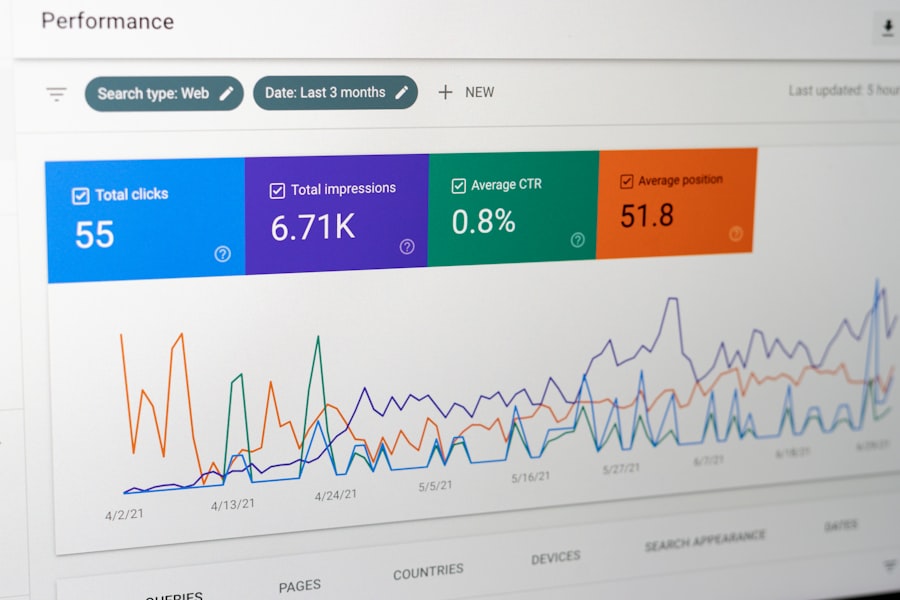
The landscape of email marketing is constantly evolving, and staying ahead means embracing innovative technologies. Predictive analytics isn’t just a trend; it’s a fundamental shift in how you’ll approach your email strategy, moving from reactive to proactive, from generalized to hyper-personalized.
Ethical Considerations and Data Privacy
As you delve into the world of predictive analytics, it’s crucial to prioritize ethical data handling and privacy. Transparency with your subscribers about how you use their data is paramount. Ensure compliance with regulations like GDPR and CCPA, and always aim to build trust, not erode it. Your use of data should always be to enhance their experience, not exploit it.
Getting Started: What You Need to Implement Predictive Analytics
Don’t feel overwhelmed. You don’t need to be a data scientist to get started. Many email marketing platforms now offer built-in predictive analytics features, or integrations with third-party tools.
Data Collection and Integration
Your first step is ensuring you’re collecting comprehensive and clean data. This includes website activity, purchase history, email engagement, and any demographic information you have. The more robust your data, the more accurate your predictions will be.
Choosing the Right Tools
Research email marketing platforms or dedicated predictive analytics tools that align with your business needs and budget. Look for features like churn prediction, product recommendation engines, and dynamic content capabilities.
Start Small and Scale Up
Begin with one or two key predictive analytics initiatives, such as churn prediction or personalized product recommendations. Monitor your results closely, learn from your data, and then gradually expand your implementation as you gain confidence and see tangible benefits.
The power of predictive analytics in email marketing is undeniable. It’s no longer a luxury but a necessity for any business aiming to truly connect with its audience, drive meaningful engagement, and achieve sustainable growth. By embracing this technology, you’re not just optimizing your campaigns; you’re revolutionizing your entire approach to customer communication. You’re moving beyond sending emails and stepping into a future where you anticipate needs, personalize experiences, and build lasting relationships with your subscribers. The power is yours to harness.
FAQs
What is predictive analytics in the context of email marketing?
Predictive analytics in email marketing involves using data and statistical algorithms to forecast future email marketing outcomes, such as open rates, click-through rates, and conversions. It helps marketers make data-driven decisions to optimize their email campaigns.
How does predictive analytics benefit modern email marketing?
Predictive analytics enables marketers to personalize and target their email campaigns more effectively, leading to higher engagement and conversion rates. It also helps in identifying trends and patterns in customer behavior, allowing for more strategic and efficient marketing efforts.
What are some key predictive analytics techniques used in email marketing?
Some key predictive analytics techniques used in email marketing include customer segmentation, predictive lead scoring, churn prediction, and content optimization. These techniques help marketers understand their audience better and deliver more relevant and timely content.
What are the challenges of implementing predictive analytics in email marketing?
Challenges of implementing predictive analytics in email marketing include data quality and integration, privacy concerns, and the need for specialized skills and resources. Marketers also need to ensure that their predictive models are accurate and reliable.
How can businesses get started with predictive analytics in email marketing?
Businesses can start by collecting and organizing their customer data, selecting the right predictive analytics tools or platforms, and defining clear objectives for their email marketing campaigns. It’s also important to continuously test and refine predictive models based on campaign performance.