
Welcome to 2026. The digital landscape has shifted, evolved, and in many ways, accelerated. While some predicted the demise of email, you know better. Email marketing isn’t just surviving; it’s thriving, transforming into a sophisticated, personalized communication channel that’s more potent than ever. If you’re looking to cut through the noise, build lasting customer relationships, and drive measurable results, you’ve come to the right place. This isn’t just another rehash of old advice; this is your ultimate guide to mastering email marketing in the hyper-connected, AI-powered world of 2026.
The inbox of 2026 isn’t the cluttered, overwhelming space it once was. AI-powered sorting, advanced spam filters, and user-defined preferences have elevated the bar for what constitutes a “good” email. You’re no longer just competing for attention; you’re competing for relevance, value, and a genuine connection.
The Rise of Hyper-Personalization and Predictive Analytics
Forget generic “Dear [First Name]” greetings. In 2026, hyper-personalization is the baseline, not the aspiration. Your subscribers expect you to understand their individual needs, preferences, and even their likely future behaviors. This is where predictive analytics becomes your secret weapon.
- Behavioral Segmentation on Steroids: You’re not just segmenting by purchase history anymore. Leverage AI to analyze website browsing patterns, content consumption, app usage, social media interactions, and even offline touchpoints to create micro-segments that are incredibly precise.
- Anticipatory Content Delivery: Imagine sending an email with a product recommendation for something your customer didn’t even realize they needed, but your AI predicted they would. This level of foresight builds trust and positions you as a valuable resource, not just a seller.
- Dynamic Content Generation: Forget static email templates. AI-powered tools can now dynamically generate entire email layouts, including images, copy, and calls-to-action, in real-time, tailored to each individual recipient’s profile and current context.
The Blurring Lines: Email as a Multi-Channel Hub
Your email isn’t just an email anymore; it’s a launchpad. It’s a central hub that seamlessly integrates with your other marketing channels, creating a cohesive and frictionless customer journey.
- Interactive Email Experiences: Forget static links. Embedded videos, mini-quizzes, polls, and even light gamification directly within the email are becoming commonplace, driving higher engagement rates and providing valuable data.
- Integrated Customer Service: Your email can now directly connect to live chat agents, self-service portals, or even initiate a call with a single click, providing immediate support when needed.
- Personalized Landing Page Journeys: The magic doesn’t end when they click. Ensure your email links lead to highly personalized landing pages that continue the conversation, reflecting the specific content and offers presented in the email.
In addition to exploring the Email Marketing Best Practices Every Business Should Follow in 2026, you may find it beneficial to read about the latest trends in digital marketing strategies. A related article, “Top Digital Marketing Trends to Watch in 2026,” offers insights into how businesses can adapt their marketing approaches to stay competitive in an ever-evolving landscape. You can check it out for more comprehensive strategies by following this link: Top Digital Marketing Trends to Watch in 2026.
Crafting Irresistible Content: Value is the New Currency
In 2026, your subscribers are more discerning than ever. They’re bombarded with information, and their time is precious. To earn their attention, you must consistently deliver undeniable value.
Beyond the Sale: Educate, Entertain, and Empower
While driving sales is ultimately your goal, your emails shouldn’t always be overtly promotional. Think of your email list as a community you’re nurturing.
- Thought Leadership and Insights: Position yourself as an authority in your niche. Share exclusive industry reports, expert opinions, and forward-thinking analyses that your audience can’t get anywhere else.
- How-To Guides and Tutorials: Empower your subscribers with practical knowledge. Show them how to solve problems, achieve goals, or simply get more out of your products or services.
- Curated Content Digests: Become a trusted curator. Sift through the vast amount of information online and present your audience with the most relevant and valuable articles, videos, and resources.
The Art of Storytelling in a Digital Age
Humans are hardwired for stories. In 2026, storytelling in email marketing is more powerful than ever, helping you forge emotional connections and build brand loyalty.
- Customer Success Stories: Showcase how your products or services have positively impacted real people. Use testimonials, case studies, and before-and-after narratives.
- Behind-the-Scenes Glimpses: Humanize your brand by sharing the stories of your team, your company culture, or the journey of creating your products. Authenticity resonates deeply.
- Narrative-Driven Product Launches: Instead of just announcing a new product, tell the story behind its creation, the problem it solves, and the vision that inspired it.
Embracing Multimedia and Interactivity
Static text has its place, but in 2026, dynamic content is king. Leverage various media types to make your emails pop and provide a richer experience.
- Embedded Video: Short, engaging videos that play directly within the email can significantly boost engagement and convey complex information quickly.
- Interactive Elements: Quizzes, polls, clickable carousels, and even simple games can transform a passive reading experience into an active, enjoyable one.
- High-Quality Visuals: Invest in stunning imagery and custom graphics that reflect your brand identity and enhance your message. Avoid generic stock photos.
Optimizing for the Future: AI, Automation, and Accessibility
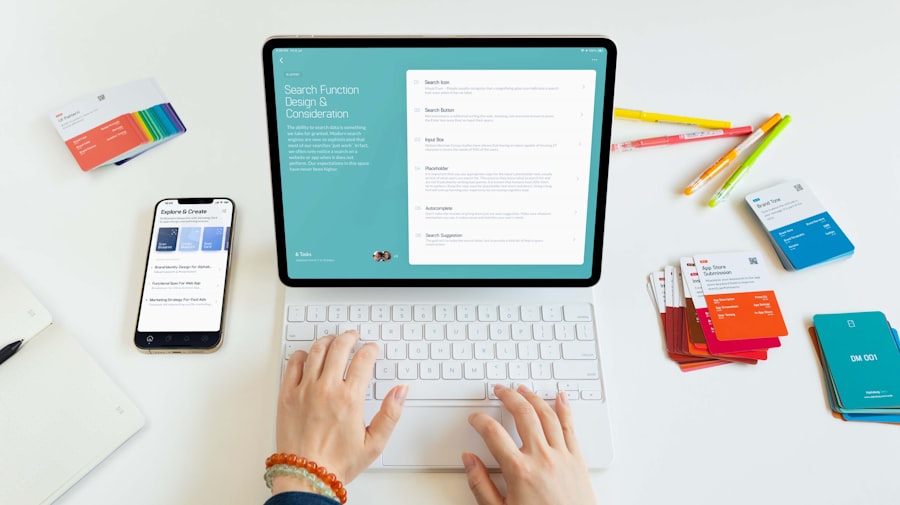
The tools and technologies available to you in 2026 are more sophisticated than ever. To stay ahead, you need to harness the power of AI, master intelligent automation, and ensure your emails are accessible to everyone.
AI as Your Marketing Co-Pilot
AI isn’t here to replace you; it’s here to empower you. Think of it as an incredibly efficient and insightful assistant that can elevate every aspect of your email marketing strategy.
- AI-Powered Copywriting and Subject Line Generation: While you’ll always want to overlay your human touch, AI can generate multiple variations of compelling subject lines and even draft email body copy, saving you time and sparking new ideas.
- Send Time Optimization: AI algorithms analyze individual subscriber behavior to determine the optimal time to send an email for each person, maximizing open and click-through rates.
- A/B Testing on Autopilot: AI can continuously run multivariate tests on different subject lines, content blocks, CTAs, and layouts, automatically identifying the most effective combinations and applying them in real-time.
Intelligent Automation: The Art of Seamless Customer Journeys
Automation in 2026 goes far beyond simple welcome sequences. It’s about creating intelligent, branching customer journeys that respond dynamically to individual actions and inactions.
- Dynamic Journey Mapping: Use advanced automation platforms to design intricate customer journeys that adapt based on clicks, opens, purchases, website visits, form submissions, and even external data points.
- Behavioral Triggers and Follow-Ups: Set up triggers for specific actions (e.g., viewing a product page multiple times) or inactions (e.g., abandoning a cart) to send highly relevant follow-up emails in real-time.
- Re-engagement and Win-Back Flows: Automate personalized campaigns to re-engage inactive subscribers or win back lapsed customers with tailored offers and compelling content.
Accessibility: Ensuring Everyone is Included
In 2026, accessibility isn’t just a best practice; it’s a fundamental requirement. You must ensure your emails are readable and usable by everyone, regardless of their abilities or assistive technologies.
- Semantic HTML and ARIA Attributes: Use proper HTML tags and ARIA (Accessible Rich Internet Applications) attributes to provide context for screen readers and other assistive technologies.
- Sufficient Color Contrast: Ensure text and background colors have sufficient contrast to be easily readable by individuals with visual impairments.
- Descriptive Alt Text for Images: Provide clear, concise alt text for all images so that screen reader users can understand the visual content of your emails.
- Logical Reading Order: Design your email layout to have a logical reading order that makes sense when navigated by a keyboard or screen reader.
- Clear and Concise Language: Use plain language and avoid jargon to make your content understandable for a wider audience, including those with cognitive disabilities.
Measuring Success in the Modern Era: Beyond Open Rates
While open rates and click-through rates still hold some value, in 2026, your focus needs to shift to more holistic and business-centric metrics that truly reflect the impact of your email marketing efforts.
The Era of Lifetime Value (LTV) and Customer Retention
Your email marketing should be a significant contributor to the long-term health of your customer relationships, not just short-term sales.
- Email-Attributed LTV: Track the lifetime value of customers acquired or significantly influenced by your email campaigns. This demonstrates the true, long-term ROI of your efforts.
- Churn Rate Reduction: Measure how effectively your email strategies are contributing to lower customer churn by fostering loyalty and engagement.
- Repeat Purchase Rate: Analyze the percentage of customers who make multiple purchases after engaging with your email campaigns.
Engagement Metrics Reimagined
Beyond simple clicks, delve deeper into how your subscribers are interacting with your content.
- Time Spent on Email/Content: With interactive emails and embedded content, you can now track how long users are actively engaging with your email itself, indicating genuine interest.
- Conversion Rate by Segment: Understand which segments are most receptive to your offers and optimize your strategies accordingly.
- Forward and Share Rates: These metrics indicate the virality and perceived value of your content, showing how willing subscribers are to share it with their networks.
Feedback Loops and Sentiment Analysis
In 2026, listening to your audience is more crucial than ever.
- In-Email Surveys and Polls: Integrate micro-surveys directly into your emails to gather instant feedback on content, products, or overall experience.
- Sentiment Analysis of Replies: Leverage AI to analyze replies to your emails, understanding the general sentiment and identifying common themes or concerns.
- Preference Center Engagement: Track how many subscribers actively manage their preferences, indicating their desire for a tailored experience.
In the ever-evolving landscape of digital marketing, staying updated on effective strategies is crucial for success. A valuable resource that complements the insights found in the article on Email Marketing Best Practices Every Business Should Follow in 2026 is the comprehensive guide on optimizing your email campaigns. This guide delves into advanced segmentation techniques and personalization strategies that can significantly enhance engagement rates. For more information, you can check out the article here. By integrating these practices, businesses can ensure their email marketing efforts remain impactful and relevant.
Building Trust and Maintaining Deliverability: Your Foundation for Success
| Best Practices | Description |
|---|---|
| Personalization | Customize emails based on recipient’s preferences and behavior. |
| Mobile Optimization | Ensure emails are easily readable and clickable on mobile devices. |
| Segmentation | Divide email list into smaller segments for targeted messaging. |
| Automation | Use automated workflows for timely and relevant email delivery. |
| Testing and Analytics | Regularly test different elements and analyze performance data. |
| Compliance | Adhere to data protection regulations and obtain consent for sending emails. |
Even with the most cutting-edge strategies, your email marketing efforts will falter if your emails don’t consistently land in the inbox. In 2026, trust and deliverability are paramount.
The Imperative of Consent and Transparency
Spam laws are evolving, and consumer expectations are higher. You must earn and maintain trust at every step.
- Double Opt-In as Standard: Make double opt-in your default practice. It ensures genuine interest and significantly reduces spam complaints.
- Clear and Concise Privacy Policies: Be transparent about how you collect, use, and protect subscriber data. Make your privacy policy easily accessible.
- Simple Unsubscribe Process: Never make it difficult for someone to unsubscribe. A frustrating unsubscribe experience leads to spam reports, which harm your sender reputation.
Mastering Sender Reputation and Inbox Placement
Your sender reputation is your digital credibility. Protect it fiercely.
- List Hygiene is Non-Negotiable: Regularly clean your email list. Remove inactive subscribers, hard bounces, and known spam traps. Sending to a clean list signals to ISPs that you’re a reputable sender.
- Authentication Protocols (SPF, DKIM, DMARC): Ensure these technical protocols are correctly configured. They verify that your emails are legitimate and prevent spoofing, significantly boosting deliverability.
- Monitor ISP Feedback Loops: Sign up for feedback loops with major ISPs (Internet Service Providers) to be notified when subscribers mark your emails as spam, allowing you to address issues promptly.
- Consistent Sending Volume and Frequency: Avoid sudden spikes or drops in your sending volume, which can trigger spam filters. Maintain a consistent sending schedule.
The Human Element: Building Relationships
Despite all the technology, email marketing in 2026 still boils down to human connection.
- Authentic Voice: Let your brand’s personality shine through. Write like a human speaking to another human, not a corporation broadcasting a message.
- Responsiveness: If subscribers reply to your emails, respond promptly and thoughtfully. This fosters a sense of engagement and care.
- Be Helpful, Not Just Promotional: Consistently aim to provide value and solve problems for your audience. When you genuinely help them, they’ll be more receptive to your offers.
The world of email marketing in 2026 is dynamic, intelligent, and deeply personal. By embracing hyper-personalization, leveraging AI, focusing on true value, and maintaining an unwavering commitment to trust and deliverability, you won’t just survive; you’ll thrive. This is your playbook for success. Go forth and conquer the inbox.
FAQs
1. What are the current best practices for email marketing in 2026?
In 2026, the best practices for email marketing include personalization, interactive content, mobile optimization, and compliance with data privacy regulations. Additionally, using AI and automation to deliver targeted and relevant content to subscribers is crucial for success.
2. How important is personalization in email marketing?
Personalization is extremely important in email marketing as it helps to create a more tailored and relevant experience for subscribers. By using data to personalize content, businesses can increase engagement, click-through rates, and ultimately, conversions.
3. What role does mobile optimization play in email marketing?
Mobile optimization is essential in email marketing as a significant portion of email opens occur on mobile devices. Ensuring that emails are responsive and visually appealing on mobile devices can improve the overall user experience and drive higher engagement.
4. What are the key compliance considerations for email marketing in 2026?
In 2026, businesses must ensure compliance with data privacy regulations such as GDPR and CCPA when conducting email marketing. This includes obtaining proper consent for data collection and processing, providing clear opt-out options, and safeguarding subscriber data.
5. How can businesses leverage AI and automation in email marketing?
Businesses can leverage AI and automation in email marketing to deliver personalized content, optimize send times, and segment subscribers based on behavior and preferences. This can lead to more targeted and effective email campaigns, ultimately driving better results.