
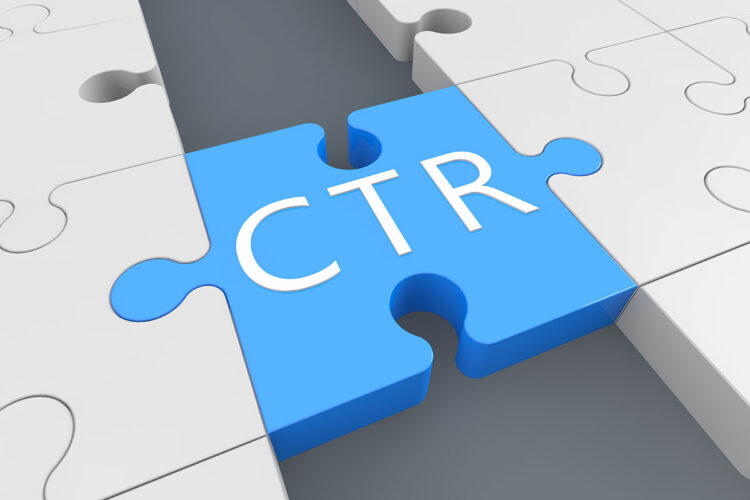
You’re hunched over your laptop, eyes scanning the analytics dashboard. Your last email campaign, the one you spent hours crafting, optimizing subject lines, and segmenting your audience, has just finished its run. You hold your breath as you scroll to the ‘Click-Through Rate’ (CTR) column. A familiar dread washes over you as you see it: a noticeable drop. Not a colossal crash, but enough to trigger that nagging feeling of “what went wrong?”
It’s a frustrating experience, isn’t it? You pour your creative energy and strategic thinking into email marketing, only to be met with disengagement. But don’t despair. Understanding why your email CTR might be plummeting is the first crucial step toward reversing the trend and re-igniting your audience’s interest. This isn’t just about numbers; it’s about understanding your audience, refining your message, and continuously adapting your approach. You’re embarking on a mission to not only diagnose the problem but to implement solutions that will transform your email strategy from merely broadcasting to genuinely engaging.
The Mystery of the Missing Clicks: Pinpointing the Problem
Before you can fix a problem, you need to know what’s causing it. A drop in CTR isn’t usually due to a single, easily identifiable factor. More often, it’s a confluence of several subtle shifts or emerging issues. You need to put on your detective hat and meticulously investigate various aspects of your email marketing ecosystem.
Are Your Subject Lines Falling Flat?
Think of your subject line as your email’s first impression – and often, its last. In an inbox cluttered with countless other messages vying for attention, a bland or irrelevant subject line is a death knell for your email’s opening chances, let alone its clicks.
- Losing Relevance: Has your audience shifted their interests? Are your subject lines still speaking to their current needs and pain points? A subject line like “Exclusive Offer Inside!” might have worked wonders last year, but if your audience now expects personalized value, it could be perceived as generic.
- Overuse of Emojis and Symbols: While emojis can add a touch of personality and stand out, overusing them or using irrelevant ones can make your email look spammy or unprofessional, leading recipients to dismiss it without a second glance. You’ve got to strike that delicate balance.
- Predictable Patterns: Are your subject lines becoming too formulaic? If every email starts with “Your Weekly Update” or “Don’t Miss Out,” recipients quickly learn to tune them out. Inject variety, curiosity, and surprising elements to break the monotony.
- Lack of Urgency or Curiosity: A good subject line often subtly hints at a benefit, creates a sense of urgency, or piques curiosity. If your subject lines are merely stating the obvious or being overly descriptive without any compelling hook, you’re missing a key opportunity.
Is Your Email Content Missing the Mark?
Even if your subject line successfully entices an open, the content inside is what ultimately drives clicks. If your email reads like a sales brochure or fails to deliver on the subject line’s promise, your readers will quickly disengage.
- Broken Promises: Did your subject line promise a “secret strategy” only for the email to deliver a generic blog post? This immediate disconnect erodes trust and makes future emails less appealing. You need to ensure a seamless flow from headline to content.
- Information Overload: In today’s fast-paced world, people are scanning, not reading. Are your emails a wall of text? Too much content, too many links, or too many calls to action can overwhelm and paralyze your readers, leading to no clicks at all.
- Lack of Personalization & Segmentation: Are you still sending the same generic email to your entire list? If your content isn’t tailored to specific segments of your audience, it risks feeling irrelevant to a large portion of them. Personalization goes beyond just using their first name; it’s about delivering content they genuinely care about.
- Weak or Confusing Call-to-Actions (CTAs): Is your CTA clear, concise, and compelling? Is it easy to find? If your readers have to search for what you want them to do, or if the benefit of clicking isn’t immediately obvious, they simply won’t bother. Avoid vague CTAs like “Click Here” when “Download Your Free Guide Now” is far more effective.
In exploring the factors that contribute to declining email click-through rates, it is essential to consider the impact of audience segmentation and personalization strategies. A related article that delves deeper into these topics is “The Importance of Audience Segmentation in Email Marketing,” which highlights how tailoring content to specific audience segments can significantly enhance engagement. For more insights on this subject, you can read the article here: The Importance of Audience Segmentation in Email Marketing. By implementing effective segmentation techniques, marketers can create more relevant and compelling email campaigns that resonate with their audience, ultimately improving click-through rates.
Technical Glitches and Delivery Dilemmas
Sometimes, the problem isn’t with your message at all, but with the journey it takes to reach your audience’s inbox – or if it even reaches it at all. These technical hiccups can silently sabotage your CTR efforts.
Are Your Emails Even Reaching the Inbox?
This is the most fundamental question. If your emails are landing in the spam folder or being blocked entirely, your CTR will inevitably suffer, regardless of how brilliant your content is.
- Spam Filters & Deliverability Issues: Email service providers (ESPs) are constantly updating their spam algorithms. Are you using trigger words, certain image-to-text ratios, or questionable IP addresses that are flagging your emails as spam? Regularly monitor your deliverability rates.
- Reputation Management: Your sender reputation is crucial. Consistently high bounce rates, spam complaints, and low engagement signals to ESPs that your emails might not be valuable, leading to more aggressive filtering. You need to cultivate a pristine sending reputation.
- Authentication Protocols: Are your emails properly authenticated using SPF, DKIM, and DMARC? These protocols help verify that your emails are legitimate and prevent spoofing, significantly improving deliverability and trust with email providers.
Is Your Email Displaying Correctly?
A beautifully designed email means nothing if it breaks on different devices or email clients. A poor rendering experience can frustrate recipients and almost guarantee a lack of clicks.
- Mobile Responsiveness: A vast majority of emails are opened on mobile devices. Is your email design responsive, ensuring it looks good and is easily navigable on smaller screens? If your email is horizontally scrolling or has tiny text, you’re losing a huge portion of your potential clicks.
- Broken Images or Links: Double-check all your links and ensure images are loading correctly. Nothing is more frustrating than clicking a broken link or seeing empty image placeholders. This signals a lack of professionalism and attention to detail.
- Email Client Compatibility: Different email clients (Gmail, Outlook, Apple Mail, etc.) render HTML differently. Test your emails across various clients to ensure consistency in design and functionality. What looks perfect in one client might be a mess in another.
Audience Engagement Fatigue: The Quiet Killer
You might have the best subject lines, engaging content, and perfect deliverability, but if your audience is simply tired of hearing from you, your CTR will dwindle. This is often an insidious problem because it creeps up slowly.
Are You Sending Too Frequently (or Not Frequently Enough)?
Finding the sweet spot for email frequency is critical. Too many emails, and you become a nuisance; too few, and your audience forgets who you are.
- Subscriber Overload: Every new subscription is a signal of interest, but that interest can wane quickly if you bombard their inbox. If you’re sending daily promotional emails to an audience that prefers weekly updates, you’re training them to ignore you.
- Irregular Sending Schedule: Sporadic and unpredictable sending can also contribute to disengagement. A consistent schedule helps your audience anticipate your emails and integrate them into their routine, making them more likely to open and click.
- Lack of Varied Content: If every email is a sales pitch, you’ll burn out your audience quickly. Mix in valuable content like educational articles, tips, or exclusive insights to keep them interested and show you’re not just there to sell.
Has Your Audience Outgrown Your Content?
People’s needs, interests, and even life stages change. What resonated with them a year ago might not be relevant today.
- Evolving Needs and Interests: Your initial customer persona might have been accurate, but people evolve. Have their pain points or aspirations shifted? Are you still addressing their current challenges or providing solutions to their up-to-date desires?
- Loss of Perceived Value: If your emails consistently offer little new or unique value, subscribers will eventually stop seeing them as worthwhile. Why open an email if you know it’s just going to repeat information you already have?
- Stale Opt-in Reasons: Think back to why people initially subscribed. Are you still delivering on that original promise? If they signed up for “advanced analytics tips” and you’re now sending “beginner marketing guides,” there’s a mismatch.
Re-Energizing Your Email Strategy: Boosting Engagement
Now that you’ve meticulously diagnosed the potential issues, it’s time to roll up your sleeves and implement solutions. Boosting your CTR isn’t a one-time fix; it’s an ongoing process of optimization, testing, and continuous learning.
Craft Compelling Subject Lines and Preheaders
Your digital storefront window needs to be irresistible. This is where you grab attention and create the initial spark of interest.
- A/B Test Everything: Never assume what works. Test different subject line lengths, emoji usage, personalized elements, question vs. statement formats, and urgency levels. Small tweaks can yield significant results over time.
- Leverage Curiosity and Urgency: Don’t give everything away in the subject line, but hint at it. Create a sense of FOMO (fear of missing out) or an intriguing question that only the email content can answer.
- Go Beyond Personalization: Instead of just using their first name, try referencing their previous purchases, browsing history, or stated preferences in the subject line to show you truly understand them. “Your next adventure awaits, [Name]!” is more powerful than just “[Name], check out our new arrivals.”
- Utilize Preheader Text: This short snippet of text appears right after the subject line in many inboxes. It’s a prime piece of real estate to expand on your subject line, add another hook, or provide a compelling sneak peek into your email’s value.
Optimize Your Email Content for Maximum Impact
Once they open the email, you have a brief window to convert that open into a click. Make every word and design element count.
- Design for Skimming: Use short paragraphs, bullet points, clear headings, and ample white space. Your readers should be able to grasp the main message and key takeaways in seconds.
- Lead with Value, Not Sales: Focus on how your product, service, or content benefits the reader. Solve a problem, answer a question, or provide a useful tip. The sales aspect should be a natural extension of that value.
- Visual Storytelling: Use high-quality images, GIFs, and even short videos (embedded if possible, or linked) to convey your message more effectively and make your email more engaging. Break up text with relevant visuals.
- Single, Clear Call-to-Action (CTA): While you can have multiple links, ensure there’s one primary CTA that stands out and guides the reader to the most important next step. Make it visually distinct and use action-oriented language. “Learn More About X” is general; “Download Your Free Template Now” is direct and enticing.
- Personalization Beyond the Basics: Segment your audience based on their behaviors, demographics, past purchases, and preferences. Then, tailor your content to speak directly to those segments. This isn’t just “Dear [Name]”; it’s “Because you enjoyed [Previous Product], we think you’ll love [New Product].”
Understanding the factors that contribute to declining email click-through rates is crucial for marketers aiming to boost engagement. A related article discusses various strategies to enhance email performance and offers insights into audience segmentation and content personalization. By implementing these techniques, businesses can create more compelling campaigns that resonate with their subscribers. For more information on this topic, you can read the article here.
Advanced Strategies for Sustained Engagement
Once you’ve addressed the immediate concerns and implemented fundamental improvements, it’s time to look at more sophisticated techniques to ensure long-term engagement and prevent future CTR drops.
Leverage Automation and Behavioral Triggers
Sending the right message at the right time can dramatically increase relevance and clicks. Automation allows you to scale this personalization.
- Welcome Series: Automate a series of emails for new subscribers. This is your chance to introduce your brand, share your value proposition, and set expectations for future communications. Include a clear first CTA, perhaps to explore popular content or claim an initial offer.
- Abandoned Cart Recovery: For e-commerce, automated emails reminding customers about items left in their cart are incredibly effective. Include product images, a direct link back to their cart, and perhaps a gentle incentive.
- Re-engagement Campaigns: Identify inactive subscribers (those who haven’t opened or clicked in a certain period) and send them a special campaign to win them back. Offer exclusive content, a special discount, or simply ask for their preferences. If they still don’t engage, consider cleaning them from your list to protect your sender reputation.
- Browse Abandonment: If someone views a product repeatedly but doesn’t add to cart, an email reminding them of that specific product can nudge them towards a purchase. This shows you’re paying attention to their interests.
- Post-Purchase Follow-ups: Beyond a simple “thank you,” these emails can offer product care tips, ask for reviews, suggest complementary products, or invite them to join your community. This strengthens the customer relationship and encourages repeat purchases.
Continuously Monitor, Test, and Adapt
Email marketing is an iterative process. What works today might not work tomorrow. You need to be constantly learning and evolving.
- Deep Dive into Analytics: Don’t just look at the CTR. Analyze open rates, conversion rates, bounce rates, spam complaints, and even the time of day your emails are opened. Look for trends and anomalies.
- Heatmaps and Click Tracking: Utilize tools that show you where in your email people are clicking. This can reveal which links are most engaging and whether your design is effectively guiding users to your primary CTA.
- Gather Subscriber Feedback: Ask your subscribers what they want to see more of (or less of). Conduct surveys, include feedback links in your emails, or even run polls. Direct input is invaluable for shaping your content strategy.
- Stay Updated on Industry Trends: Email marketing best practices and technology are constantly evolving. Keep an eye on new design trends, personalization techniques, and deliverability insights to stay ahead of the curve.
- Regular List Cleaning: Periodically remove inactive subscribers and invalid email addresses from your list. A smaller, highly engaged list is far more valuable than a large, disengaged one, as it improves your deliverability and overall sender reputation.
Segment Your Audience Like a Pro
The days of treating all subscribers as one monolithic entity are long gone. Effective segmentation is the cornerstone of high CTR.
- Demographic Segmentation: Age, gender, location, income. This can influence product recommendations or relevant local events.
- Behavioral Segmentation: Past purchases, website activity, email engagement history, products viewed, content downloaded. This is powerful for sending highly relevant messages.
- Psychographic Segmentation: Interests, values, lifestyle. What motivates your audience? What are their aspirations? This helps you craft emotionally resonant messages.
- Subscription Preferences: Allow subscribers to choose the type of content they receive and how often. This gives them control and significantly reduces opt-outs.
Ultimately, a drop in your email CTR is a signal – a message from your audience that something needs attention. It’s an opportunity to re-evaluate your approach, refine your strategy, and deepen your understanding of who you’re communicating with. By meticulously diagnosing the potential problems, implementing targeted solutions, and committing to continuous learning and optimization, you won’t just recover your past CTR; you’ll likely surpass it, fostering a more engaged and loyal subscriber base in the process. You are the architect of your email success, and with these insights, you are well-equipped to build a thriving communication channel.
FAQs
What are email click through rates?
Email click through rates refer to the percentage of recipients who click on a link or multiple links within an email. It is a measure of how engaging and effective an email campaign is in driving traffic to a website or specific landing page.
Why do email click through rates drop?
Email click through rates can drop due to various reasons such as irrelevant content, poor email design, sending emails at the wrong time, or a lack of personalization. Additionally, changes in subscriber behavior, such as an increase in mobile usage, can also impact click through rates.
How can I increase email engagement?
To increase email engagement and click through rates, it is important to focus on creating relevant and valuable content, optimizing email design for mobile devices, segmenting your email list, personalizing the content, and testing different elements such as subject lines and call-to-action buttons.
What role does subject lines play in email engagement?
Subject lines play a crucial role in email engagement as they are the first thing recipients see when they receive an email. A compelling and relevant subject line can entice recipients to open the email and ultimately increase click through rates.
What are some best practices for improving email click through rates?
Some best practices for improving email click through rates include using clear and concise calls-to-action, incorporating visual elements such as images and videos, optimizing for mobile responsiveness, and regularly analyzing and testing different aspects of your email campaigns.