

You’re sending emails. You’re hoping for clicks. You’re aiming for conversions. But are you truly connecting with your audience, or are you just shouting into the void? If you’re feeling like your email marketing efforts are a shot in the dark, it’s time to illuminate your strategy with a powerful tool: customer journey mapping.
Imagine understanding precisely what your customer is thinking, feeling, and needing at every single touchpoint with your brand, especially within their email interactions. That’s the magic of customer journey mapping. It’s not just about sending promotional emails; it’s about guiding your subscribers through a personalized, relevant, and ultimately rewarding experience that builds loyalty and drives business growth. By understanding their journey, you can transform your email marketing from a generic broadcast into a finely tuned, individual conversation.
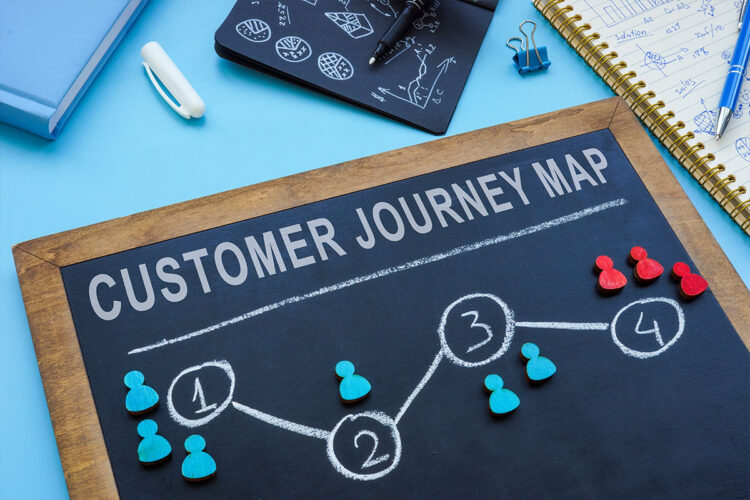
Before you can unlock email marketing success, you need to grasp the essence of what you’re building. A customer journey map is a visual representation of the entire experience a customer has with your brand, from their initial awareness of your existence to becoming a loyal advocate. It’s a holistic view that goes beyond just a single transaction or a single email.
The Core Components of a Journey Map
When you think about mapping a customer’s journey, several key elements come into play. These are the building blocks that will help you construct a comprehensive picture of their experience.
Identifying Your Target Personas
Who are you talking to? This is the absolute first step. Generic emails resonate with no one. You need to define your ideal customer segments, or “personas.” Think about their demographics (age, location, income), psychographics (values, interests, lifestyle), and most importantly, their motivations and pain points related to your product or service. What are they trying to achieve? What problems are they trying to solve? Your email marketing will be infinitely more effective when you can speak directly to these specific needs and desires.
Defining Stages of the Journey
A customer’s journey isn’t a single event; it’s a progression. You need to break this down into distinct stages. While these can vary depending on your business model, common stages include:
- Awareness: The customer becomes aware of a need or a problem, and potentially your brand as a solution.
- Consideration: The customer is actively researching options and comparing solutions.
- Decision: The customer has chosen a solution and is ready to make a purchase.
- Onboarding/First Use: The customer has made a purchase and is learning how to use your product or service.
- Retention/Loyalty: The customer is using your product or service, and you aim to keep them engaged and happy.
- Advocacy: The customer is so satisfied they are recommending your brand to others.
Mapping Touchpoints and Interactions
Within each stage, you need to identify all the points where a customer interacts with your brand. For email marketing, these are crucial. Think about:
- Initial Opt-in: Where did they sign up for your list? Was it a pop-up on your website, a download, an event?
- Welcome Series: The first sequence of emails they receive after subscribing.
- Promotional Emails: Emails offering discounts, new product announcements, or special deals.
- Informational/Content Emails: Newsletters, blog post summaries, educational content.
- Transactional Emails: Order confirmations, shipping notifications, password resets.
- Re-engagement Campaigns: Emails sent to inactive subscribers.
- Customer Service Follow-ups: Emails related to support queries.
Understanding Customer Thoughts and Feelings
This is where the empathy comes in. For each touchpoint, ask yourself:
- What is the customer thinking at this moment? What questions do they have? What are their expectations?
- How are they feeling? Are they excited, anxious, frustrated, curious, or confident?
Understanding these emotional states allows you to craft emails that directly address their current mindset.
Identifying Pain Points and Opportunities
Where are the friction points in the customer’s journey? What frustrates them? Conversely, where are there moments of delight or opportunities to exceed expectations? Your journey map will highlight these areas, allowing you to proactively address negative experiences and amplify positive ones through your email communication.
In addition to exploring the intricacies of customer journey mapping for email marketing success, you may find the article on “The Importance of Personalization in Email Campaigns” particularly insightful. This piece delves into how tailoring your email content to meet the specific needs and preferences of your audience can significantly enhance engagement and conversion rates. For a deeper understanding, you can read the article here: The Importance of Personalization in Email Campaigns.
The Email Marketing Lens: Applying the Map to Your Campaigns
Once you have a solid understanding of your customer’s journey, it’s time to zoom in on how email marketing plays a role at each stage. This is where your map transforms from a conceptual tool into a strategic blueprint for your email campaigns.
Awareness Stage: Generating Interest and Capturing Leads
In the awareness stage, your email marketing efforts are primarily focused on attracting attention and encouraging sign-ups. You’re not trying to sell them yet; you’re trying to pique their interest and get them into your funnel.
Content Offers and Lead Magnets
Your map will reveal what kind of information your potential customers are seeking when they are first becoming aware of a problem or need. This translates directly into the types of lead magnets (e.g., ebooks, guides, checklists, webinars) you offer in exchange for their email address.
- Crafting Irresistible Opt-in Offers: What are your ideal customers searching for before they even know about you? Your map will help you pinpoint these “jobs to be done” and create email opt-in offers that directly address them, making them impossible to resist. This could be a “Beginner’s Guide to [Your Industry]” or a “Checklist for [Solving a Specific Problem].”
- Strategic Placement of Opt-in Forms: Knowing where your target audience congregates online (identified through your persona research) will inform where you place your email signup forms. This could be on blog posts, landing pages, or even within social media profiles.
Initial Engagement and Value Proposition
The moment someone signs up is critical. Your map helps you define what kind of immediate value they expect.
- Designing a Compelling Welcome Series: This is your golden opportunity. Your welcome series should do more than just say “thanks for subscribing.” It should introduce your brand, highlight your unique value proposition, and offer immediate value. Your journey map will tell you what they need to know and feel right away.
- Email 1: Warm Welcome and Acknowledgment of their Interest. Reiterate the value they signed up for.
- Email 2: Introduce Your Brand’s Story and Mission. Build emotional connection.
- Email 3: Offer a valuable piece of content related to their initial interest. Demonstrate expertise.
- Email 4: Gently introduce a solution or key product category, without being overly pushy.
Consideration Stage: Nurturing Leads and Building Trust
Here, your subscribers are actively evaluating options. Your email marketing needs to provide them with the information and reassurance they need to consider you favorably.
Content Tailoring Based on Interest
Your journey map will highlight the specific questions and concerns your audience has during the consideration phase. Your emails should address these directly.
- Segmenting Your List for Relevant Content: Based on how they opted in or their initial interactions, you can segment your list to deliver more targeted content. If they downloaded a guide on beginner photography, send them emails related to beginner camera tips, not advanced editing techniques.
- Educational Content Series: Develop email series that educate prospects about the benefits and features of your product or service. This could include case studies, testimonials, how-to guides, and comparisons. Your map helps you anticipate the information they’ll be looking for.
- Email 1: Deep Dive into a Key Feature and its Benefit. Focus on solving a specific problem.
- Email 2: Social Proof: Customer Testimonials or Case Studies. Build credibility.
- Email 3: Addressing Common Objections or Myths. Proactively tackle their concerns.
- Email 4: Demonstrating ROI or Tangible Results. Show them what they can gain.
Building Credibility and Addressing Doubts
The consideration stage is often filled with questions and hesitations. Your email marketing should alleviate these.
- FAQs and Expert Advice Emails: Create emails that directly answer frequently asked questions or provide expert advice related to their decision-making process. This positions you as a knowledgeable and helpful resource.
- Comparison Guides and Demos: If applicable, send emails that highlight how your offering compares to alternatives, or offer links to product demonstrations. This empowers them to make an informed choice.
Decision Stage: Driving Conversions and Overcoming Hesitation
This is where you aim for the sale. Your emails need to be persuasive and make it easy for the customer to take the final step.
Targeted Offers and Incentives
Your journey map will reveal what kind of nudge might be needed to push a prospect over the finish line.
- Time-Sensitive Promotions and Discounts: Strategically offer limited-time discounts or special bundles to create a sense of urgency and encourage immediate action. Ensure these align with their perceived value of your offering.
- Abandoned Cart Emails: A classic example. Your map will help you understand why they might have abandoned their cart and craft a more compelling follow-up.
- Email 1: Gentle Reminder of Items in Cart and Reassurance.
- Email 2: Offering a Small Incentive (e.g., free shipping, discount).
- Email 3: Final Reminder or Alternative Solution.
Reducing Friction and Building Confidence
Make it as easy and safe as possible for them to buy.
- Guarantee and Return Policy Reinforcement: Reassure them about your satisfaction guarantees, easy returns, and secure payment options. This builds trust and reduces perceived risk.
- Direct Calls to Action (CTAs): Ensure your CTAs are clear, prominent, and lead directly to the desired action (e.g., “Shop Now,” “Complete Your Purchase”). Your map will tell you what language resonates best at this stage.
In the quest for effective email marketing strategies, understanding customer journey mapping is crucial for success. A related article that delves deeper into this topic is titled “Enhancing Engagement Through Customer Journey Mapping,” which provides valuable insights on how to tailor your email campaigns based on customer behavior. By exploring the nuances of customer interactions, marketers can significantly improve their outreach efforts. For more information, you can check out the article here.
Onboarding and Post-Purchase: Ensuring Satisfaction and Building Loyalty
The journey doesn’t end at the sale; it deepens. Your post-purchase emails are crucial for retaining customers and fostering loyalty.
Seamless Onboarding Experiences
The initial experience with your product or service is vital. Your emails should guide them through this.
- Step-by-Step Onboarding Guides: Provide clear, concise emails that walk new customers through setting up and using your product or service. This reduces confusion and increases the likelihood of them becoming long-term users.
- Email 1: Welcome to the Family! Getting Started Guide.
- Email 2: Unlocking Key Features and Benefits You Might Have Missed.
- Email 3: Tips and Tricks for Maximizing Your Experience.
- Email 4: Invitation to Join a Community or Access Support.
- Proactive Support and Resource Sharing: Anticipate common questions or issues new users might face and proactively provide solutions or links to helpful resources.
Reinforcing Value and Encouraging Repeat Business
Keep them engaged and coming back for more.
- Usage Tips and Best Practices: Send emails that offer advanced tips, creative ways to use your product, or showcase new features that enhance their experience.
- Loyalty Programs and Exclusive Offers: Reward your existing customers with exclusive discounts, early access to new products, or points-based loyalty programs. Your map will help you identify what kind of rewards are most appealing.
- Feedback Collection and Surveys: Politely request feedback after a period of use. This not only provides valuable insights but also shows you care about their experience.
Retention and Advocacy: Fostering Long-Term Relationships
This is where you nurture your most valuable customers and turn them into vocal supporters.
Deepening Engagement and Building Community
Your map helps you understand what keeps customers invested in your brand beyond just transactions.
- Exclusive Content and Early Access: Offer your most loyal customers special access to content, behind-the-scenes glimpses, or early peeks at upcoming products.
- Building a Community: If you have a forum, private group, or online community, use email to invite and encourage participation. This fosters a sense of belonging.
- Celebrating Milestones and Anniversaries: Acknowledge customer milestones, like their anniversary of becoming a customer, with a special message or offer.
Encouraging Referrals and Advocacy
Turn happy customers into brand evangelists.
- Referral Programs: Implement a referral program and use email to inform existing customers about it and encourage them to share.
- Requesting Reviews and Testimonials: Actively ask satisfied customers to leave reviews on relevant platforms or provide testimonials. Make it easy for them to do so.
- User-Generated Content Campaigns: Encourage customers to share their experiences with your product or service on social media and use email to promote these campaigns.
The Iterative Process: Why Mapping is Not a One-Time Task
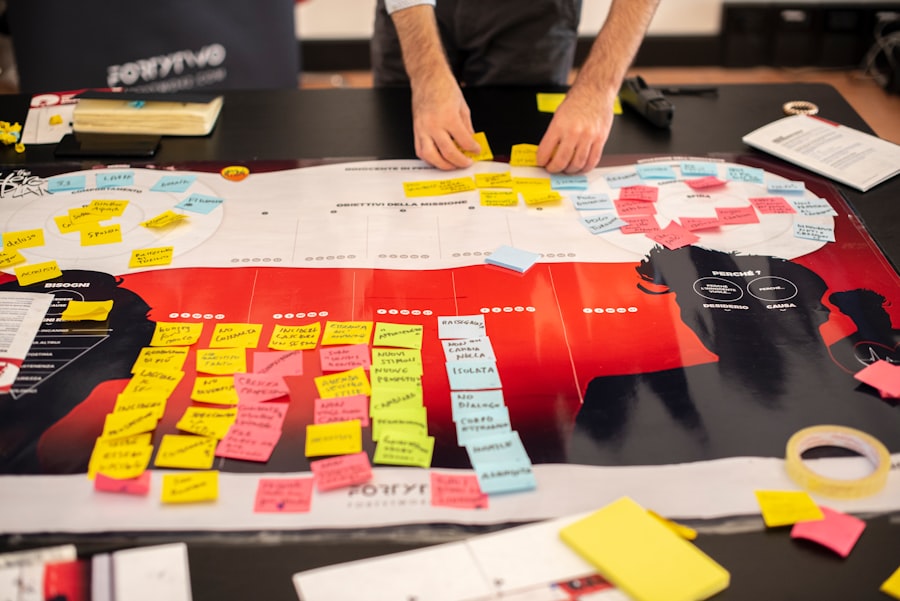
It’s tempting to think of building a customer journey map as a project with a clear beginning and end. However, for true email marketing success, you need to view it as an ongoing, evolving process. The market shifts, customer needs change, and your offerings evolve. Your journey map needs to evolve with them.
Ongoing Data Collection and Analysis
Your journey map is not a static document; it’s a living breathing entity. The insights you gain from your email campaigns themselves are invaluable data points for refining your map.
Tracking Key Email Metrics
Beyond basic open and click-through rates, dive deeper.
- Conversion Rates by Segment and Campaign: Which segments are converting best? Which campaigns are driving actual sales or desired actions? This tells you where your map is accurate and where it might be falling short.
- Unsubscribe Rates and Their Triggers: High unsubscribe rates after a specific campaign or at a certain stage are red flags. Your map helps you pinpoint why this might be happening. Is it irrelevant content? Over-communication?
- Engagement Metrics (Time Spent Reading, Scroll Depth): These can offer insights into how engaging your content truly is, even if it doesn’t lead to an immediate click.
Gathering Customer Feedback
Directly from your customers.
- Post-Purchase Surveys: Ask customers about their buying experience and how well your emails met their expectations at different stages.
- In-Email Feedback Mechanisms: Simple rating systems or “Was this email helpful?” buttons can provide quick, actionable insights.
- Monitoring Social Media and Reviews: What are customers saying about your brand and your communications in public forums?
Adapting Your Email Strategies
Armed with new data and insights, you need to be willing to adjust your approach.
A/B Testing and Optimization
Continuously test different elements of your emails.
- Subject Line Experiments: Test different subject lines to see what resonates best with each persona at each stage.
- CTA Variations: Experiment with different calls to action, button colors, and placement.
- Content Format and Tone: Does a more formal tone work better, or is a conversational approach more effective? Does video content or infographics perform better than plain text?
Refining Personas and Stages
As you learn more, your initial assumptions may need to be updated.
- Evolutions in Customer Needs and Behaviors: Have your customers’ priorities shifted? Are new pain points emerging? Your understanding of their journey needs to reflect these changes.
- Identifying New Touchpoints: As your brand grows or your customers’ behaviors evolve, you may discover new touchpoints where email can play a role.
The Power of Personalization
At its core, customer journey mapping is about achieving true personalization in your email marketing. Generic blasts are a relic of the past.
Dynamic Content and Personalization Tokens
Leveraging the data you gather is key.
- Personalized Greetings and Content Blocks: Use customer data (name, purchase history, interests) to dynamically insert personalized greetings and content sections into your emails.
- Triggered Emails Based on Behavior: Set up automated email sequences that trigger based on specific customer actions (or inactions), such as browsing a particular product category or abandoning a checkout.
By embracing customer journey mapping, you’re not just sending emails; you’re orchestrating a conversation. You’re becoming a trusted advisor, a helpful guide, and a valuable partner to your subscribers. This shift in perspective is what unlocks true email marketing success, building lasting relationships and driving sustainable business growth. Start mapping your customer’s journey today, and watch your email marketing transform from a cost center to a powerful profit driver.
FAQs
What is customer journey mapping?
Customer journey mapping is the process of visually representing the steps and touchpoints a customer goes through when interacting with a brand, from initial awareness to post-purchase support.
Why is customer journey mapping important for email marketing success?
Customer journey mapping helps marketers understand the customer’s experience and identify opportunities to deliver targeted and personalized email content at each stage of the journey, leading to improved engagement and conversion rates.
What are the key stages of the customer journey?
The key stages of the customer journey typically include awareness, consideration, purchase, retention, and advocacy. Each stage represents different opportunities for email marketing to influence and support the customer.
How can customer journey mapping improve email marketing strategies?
By understanding the customer journey, marketers can create more relevant and timely email content, personalize messaging based on customer behavior, and optimize the overall email marketing strategy to better align with the customer’s needs and preferences.
What are some best practices for customer journey mapping in email marketing?
Best practices for customer journey mapping in email marketing include gathering customer data, creating detailed customer personas, analyzing customer touchpoints, aligning email content with each stage of the journey, and continuously testing and optimizing email campaigns based on customer feedback and behavior.