


User disengagement occurs when individuals who previously interacted with a brand reduce or cease their engagement activities, such as opening emails, clicking links, or completing purchases. Research indicates that disengagement typically results from several factors: changes in user priorities, information overload, time constraints, or evolving preferences rather than dissatisfaction with the product or service itself. Disengagement patterns vary across different touchpoints and can include decreased email open rates, abandoned shopping carts, reduced website visits, or dormant social media interactions.
Data analysis shows that disengaged users often remain in intermediate stages of the customer journey rather than permanently exiting the sales funnel. Effective re-engagement strategies require systematic analysis of user behavior data, engagement metrics, and feedback patterns to identify specific disengagement triggers. This behavioral analysis enables organizations to develop targeted campaigns that address users’ current needs and preferences, potentially restoring their engagement with the brand.
Studies demonstrate that personalized re-engagement approaches based on user behavior data achieve higher success rates than generic outreach methods.
Key Takeaways
- Re-permission campaigns are essential for re-engaging disengaged users and maintaining a healthy subscriber list.
- Personalization and data-driven targeting significantly enhance the effectiveness of re-permission efforts.
- Multi-channel strategies ensure broader reach and better user engagement across platforms.
- Continuous monitoring and analysis help optimize campaign performance and address user concerns promptly.
- Iterative improvements and adapting to future trends are key to sustaining successful re-permission campaigns.
The Importance of Re-permission Campaigns
Re-permission campaigns serve as a vital tool in the quest to reconnect with disengaged users. These campaigns are designed to re-establish communication and ensure that your audience still values the content you provide. In an age where privacy concerns are paramount, obtaining explicit consent from users is not just a best practice; it’s a necessity.
By conducting re-permission campaigns, you demonstrate respect for your users’ preferences while also reaffirming their interest in your offerings. Moreover, re-permission campaigns can help clean up your email list, ensuring that you are only reaching out to those who genuinely want to hear from you. This not only improves your engagement rates but also enhances your sender reputation with email service providers.
A well-executed re-permission campaign can breathe new life into your marketing efforts, transforming a stagnant list into an active community of engaged users eager to receive your updates.
Crafting Compelling Re-permission Campaigns
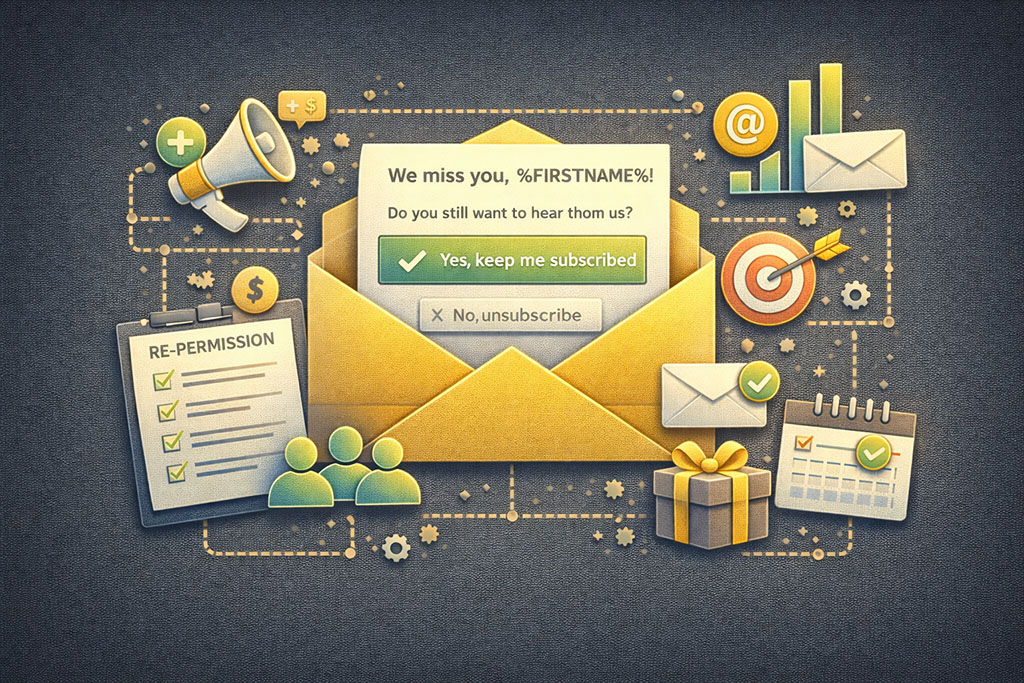
Creating compelling re-permission campaigns requires a blend of creativity and strategy. You need to capture the attention of disengaged users while clearly communicating the value of remaining subscribed. Start by crafting an engaging subject line that piques curiosity and encourages users to open the email.
Consider using language that emphasizes exclusivity or urgency, such as “We Miss You! Stay Connected for Exclusive Offers.” This approach not only grabs attention but also makes users feel valued. Once you have their attention, the content of your campaign should focus on what users stand to gain by staying subscribed.
Highlight the benefits they will receive, whether it’s access to exclusive content, special discounts, or personalized recommendations. Use visuals and concise messaging to convey your points effectively. Remember, the goal is to remind them of the value they once found in your brand and to reignite their interest in what you have to offer.
Utilizing Personalization in Re-permission Campaigns
Personalization is a powerful tool in re-permission campaigns that can significantly enhance user engagement. By leveraging data you already have about your users—such as their past purchases, browsing behavior, or preferences—you can tailor your messaging to resonate with them on a personal level. For instance, if a user previously showed interest in a specific product category, mention that category in your re-permission email and highlight new arrivals or special promotions related to it.
Additionally, consider segmenting your audience based on their level of engagement or specific interests. This allows you to create targeted messages that speak directly to each group’s unique needs and preferences. Personalized emails not only increase the likelihood of users opting back in but also foster a sense of connection between them and your brand.
When users feel that you understand their preferences and cater to them, they are more likely to re-engage.
Leveraging Data to Target Disengaged Users
| Open Rate | Percentage of recipients who open the re-permission email | 10% – 25% | 20% or higher |
| Click-Through Rate (CTR) | Percentage of recipients who click on a link within the email | 2% – 8% | 5% or higher |
| Re-permission Rate | Percentage of users who confirm or renew their subscription | 5% – 15% | 10% or higher |
| Unsubscribe Rate | Percentage of recipients who opt out during the campaign | 0.1% – 1% | Below 0.5% |
| Bounce Rate | Percentage of emails that could not be delivered | 1% – 5% | Below 2% |
| Spam Complaint Rate | Percentage of recipients marking the email as spam | 0.01% – 0.1% | Below 0.05% |
| Engagement Lift | Increase in user activity post re-permission | Varies by industry | 20% or higher increase in engagement |
Data plays a crucial role in identifying and targeting disengaged users effectively. By analyzing user behavior metrics—such as open rates, click-through rates, and purchase history—you can pinpoint individuals who have become less active over time. This data-driven approach allows you to segment your audience based on their engagement levels and tailor your re-permission campaigns accordingly.
Furthermore, consider utilizing predictive analytics to anticipate which users are at risk of disengagement before they completely drop off. By identifying patterns in user behavior, you can proactively reach out with targeted content or offers designed to re-engage them before they lose interest entirely. Leveraging data not only enhances the effectiveness of your campaigns but also ensures that you are making informed decisions based on user behavior rather than assumptions.
Implementing Multi-channel Re-permission Strategies
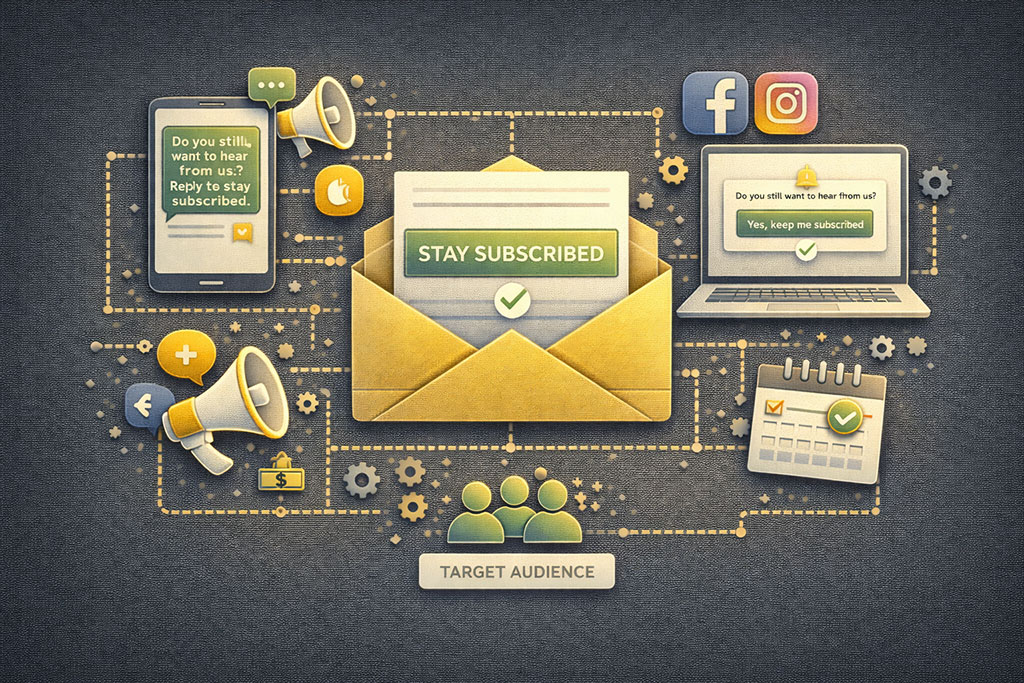
In today’s multi-channel world, relying solely on email for re-permission campaigns may not be enough to reach disengaged users effectively. Implementing a multi-channel strategy allows you to engage with users across various platforms—such as social media, SMS, and push notifications—maximizing your chances of reconnecting with them. Each channel offers unique advantages; for instance, social media can provide a more casual touchpoint, while SMS can deliver urgent messages directly to users’ phones.
When crafting multi-channel re-permission strategies, ensure that your messaging remains consistent across all platforms while also being tailored to suit each channel’s characteristics. For example, a brief SMS might highlight an exclusive offer, while a more detailed email could provide insights into new products or services. By diversifying your approach, you increase the likelihood of capturing the attention of disengaged users and encouraging them to re-engage with your brand.
Monitoring and Analyzing Re-permission Campaign Performance
Once your re-permission campaigns are underway, monitoring and analyzing their performance is essential for understanding what works and what doesn’t. Key performance indicators (KPIs) such as open rates, click-through rates, and conversion rates will provide valuable insights into user engagement levels. By tracking these metrics over time, you can identify trends and make data-driven adjustments to optimize future campaigns.
Additionally, consider gathering qualitative feedback from users who do opt back in or those who choose not to engage further. Surveys or feedback forms can provide insights into their motivations and preferences, helping you refine your approach for future campaigns. Continuous monitoring and analysis will enable you to iterate on your strategies effectively, ensuring that you remain responsive to user needs and preferences.
Addressing User Concerns and Objections
When reaching out to disengaged users through re-permission campaigns, it’s crucial to address any concerns or objections they may have regarding continued communication. Many users may hesitate due to privacy concerns or previous negative experiences with excessive marketing messages. Acknowledging these concerns upfront can help build trust and encourage users to opt back in.
Consider including reassurances about how you handle user data and emphasizing your commitment to providing valuable content rather than overwhelming them with promotions. Transparency is key; let users know how often they can expect to hear from you and what type of content they will receive. By addressing potential objections directly in your messaging, you create an environment where users feel more comfortable re-engaging with your brand.
Creating a Seamless Re-engagement Experience
A seamless re-engagement experience is vital for converting disengaged users back into active participants in your brand community. The process should be straightforward and user-friendly; if users encounter obstacles when trying to opt back in or update their preferences, they may become frustrated and disengage further. Ensure that the opt-in process is simple—ideally just one click—and that it clearly outlines what users can expect moving forward.
Additionally, consider offering incentives for re-engagement, such as exclusive discounts or access to premium content. These incentives can motivate users to take action while reinforcing the value of remaining connected with your brand. By creating a smooth and rewarding re-engagement experience, you increase the likelihood of turning disengaged users into loyal customers once again.
Measuring Success and Iterating Re-permission Campaigns
Measuring success is an integral part of any marketing strategy, including re-permission campaigns. Beyond tracking basic metrics like open rates and click-through rates, consider evaluating the overall impact on user engagement and retention over time. Are more users opting back in?
Are they interacting with your content more frequently? These insights will help you gauge the effectiveness of your campaigns and inform future iterations. As you gather data on campaign performance, be prepared to iterate on your strategies based on what you learn.
Experiment with different messaging approaches, visuals, or incentives to see what resonates best with your audience.
Continuous improvement is key; by remaining agile and responsive to user feedback and behavior patterns, you can refine your re-permission campaigns for maximum impact.
The Future of Re-permission Campaigns
Looking ahead, the future of re-permission campaigns will likely be shaped by evolving consumer expectations and technological advancements. As privacy regulations become more stringent and consumers become increasingly selective about the brands they engage with, obtaining explicit consent will remain paramount. Brands that prioritize transparency and respect for user preferences will stand out in an increasingly crowded marketplace.
Moreover, advancements in artificial intelligence and machine learning will enable marketers to create even more personalized and targeted re-permission campaigns. By harnessing these technologies, businesses can anticipate user needs more accurately and deliver tailored content that resonates deeply with individual preferences. As the landscape continues to evolve, staying ahead of trends and embracing innovative strategies will be essential for successful re-engagement efforts in the future.
In conclusion, understanding disengaged users and implementing effective re-permission campaigns is crucial for maintaining a healthy relationship with your audience. By leveraging data-driven insights, personalization techniques, and multi-channel strategies while continuously monitoring performance and addressing user concerns, you can successfully reconnect with those who have drifted away from your brand. As you navigate this journey, remember that every effort made towards re-engagement is an investment in building lasting relationships with your customers.
In the context of re-engaging users through effective campaigns, understanding the importance of email security is crucial. For insights on how to protect your email communications while executing a re-permission campaign, you can refer to the article What is Email Security: A Comprehensive Guide for All 2022. This resource provides valuable information on safeguarding your email strategies, ensuring that your efforts to win back disengaged users are both effective and secure.
FAQs
What is a re-permission campaign?
A re-permission campaign is a marketing strategy used to regain consent from users who have become disengaged or inactive. It involves reaching out to these users to confirm their interest in continuing to receive communications, ensuring compliance with data protection regulations.
Why is a re-permission campaign important?
Re-permission campaigns help maintain a clean and engaged subscriber list, improve email deliverability, and reduce the risk of being marked as spam. They also ensure that businesses respect user preferences and comply with privacy laws like GDPR and CAN-SPAM.
How do you identify disengaged users?
Disengaged users are typically identified by their lack of interaction with emails or other communications over a specific period, such as not opening or clicking links in emails for several months.
What are the best practices for running a re-permission campaign?
Best practices include clearly explaining the purpose of the campaign, offering an easy way for users to opt back in, personalizing messages, providing incentives, and respecting user choices promptly.
How can businesses ensure compliance during a re-permission campaign?
Businesses should follow data protection laws by obtaining explicit consent, providing clear opt-out options, keeping records of permissions, and avoiding sending communications to users who do not re-permit.
What are the risks of not conducting a re-permission campaign?
Failing to conduct a re-permission campaign can lead to higher bounce rates, increased spam complaints, damage to sender reputation, and potential legal penalties for non-compliance with privacy regulations.
How often should a re-permission campaign be conducted?
The frequency depends on user engagement patterns and industry standards, but typically, businesses may run re-permission campaigns annually or when a significant portion of the audience becomes inactive.
Can re-permission campaigns improve overall marketing performance?
Yes, by re-engaging interested users and removing uninterested ones, re-permission campaigns can enhance open rates, click-through rates, and conversion rates, leading to more effective marketing efforts.