
You’re embarking on a journey into the world of email marketing, and it’s a wise decision. In a digital landscape saturated with noise, email remains one of the most direct and effective ways to connect with your audience. This guide is designed to equip you, the beginner, with the foundational knowledge and practical steps needed to build a successful email marketing strategy. You don’t need to be a tech guru or a seasoned marketer to excel; you just need a willingness to learn and a commitment to providing value to your subscribers. We’ll break down the essentials, demystify the jargon, and empower you to start crafting emails that resonate.
Before you send a single email, it’s crucial to understand the underlying principles and identify your target audience. This isn’t about sending mass messages hoping something sticks; it’s about targeted communication that nurtures relationships.
The Purpose of Email Marketing
You might wonder why, in an era of social media and instant messaging, you should invest time in email. The answer lies in its unique advantages.
Direct Communication Channel
Unlike a social media post that might be buried in a feed or filtered by algorithms, an email lands directly in your subscriber’s inbox. This offers a personal touch and a level of control over your message delivery that other platforms can’t match. You are speaking directly to someone who has, by their own action, invited you into their inbox.
Ownership of Your Audience
Think of your email list as your most valuable asset. Social media platforms can change their rules, their algorithms, or even disappear. Your email list, however, is yours. You own the contact information, and you have a direct line to communicate with these individuals, regardless of external platform changes. This ownership provides stability and long-term strategic advantage.
Higher Return on Investment (ROI)
When executed effectively, email marketing consistently demonstrates a higher ROI compared to many other digital marketing channels. This is because you’re reaching people who have already expressed interest in your brand or offerings. They are more likely to engage and convert than a cold lead from another source. The cost per acquisition is often significantly lower.
Nurturing Customer Relationships
Email marketing isn’t just about selling. It’s about building trust and fostering loyalty. You can use email to educate, inform, provide support, and make your subscribers feel valued. This consistent engagement strengthens the bond between you and your audience, leading to repeat business and brand advocacy. This is about creating a community, not just a customer base.
Identifying Your Ideal Subscriber
Who are you trying to reach? If you don’t know this, your emails will be aimless. Defining your target audience is paramount.
Creating Buyer Personas
A buyer persona is a semi-fictional representation of your ideal customer. It goes beyond basic demographics to include their motivations, challenges, goals, and pain points. Consider:
- Demographics: Age, location, gender, income, occupation.
- Psychographics: Interests, values, lifestyle, attitudes, personality traits.
- Behavioral: Online habits, purchasing behavior, brand loyalty.
- Needs and Goals: What are they trying to achieve? What problems are they trying to solve?
- Pain Points: What challenges are hindering their progress?
The more detailed your personas, the better you can tailor your email content and offers to their specific needs. Imagine you’re writing to a real person with specific dreams and struggles.
Understanding Their Needs and Challenges
Once you have your personas, delve deeper into what keeps them up at night. What information are they actively seeking? What solutions or improvements are they looking to make in their lives or businesses? Your email marketing should aim to address these very needs and challenges. It’s about demonstrating how you can be a valuable resource.
For those looking to deepen their understanding of email marketing, a great complement to the article “Email Marketing Fundamentals Every Beginner Should Know” is the piece titled “10 Proven Strategies to Boost Your Email Open Rates.” This article provides actionable tips and insights that can help beginners enhance their email campaigns and achieve better engagement with their audience. You can read it here: 10 Proven Strategies to Boost Your Email Open Rates.
Crafting Compelling Content: What to Say and How to Say It
Once you know who you’re talking to, the next step is figuring out what to say. Effective email content is a blend of valuable information, clear communication, and a persuasive call to action.
The Anatomy of a Great Email
Every email you send should have a clear structure to ensure it’s easy to read and understand.
Subject Line: The Gatekeeper
This is arguably the most critical element. If your subject line doesn’t grab attention, your email will remain unread.
- Be Clear and Concise: Immediately convey the email’s content or benefit. Avoid ambiguity or clickbait that doesn’t deliver.
- Personalize When Possible: Using a subscriber’s name can significantly increase open rates.
- Create Urgency or Curiosity: Words like “limited time,” “exclusive,” or “you won’t believe” can be effective, but use them sparingly and honestly.
- Avoid Spam Triggers: Steer clear of excessive capitalization, exclamation points, and certain overused marketing words.
- Test Different Approaches: What works for one audience might not work for another. A/B testing subject lines is essential.
Preheader Text: The Supporting Actor
This is the snippet of text that appears after the subject line in many email clients. It’s a secondary opportunity to entice opens.
- Enhance the Subject Line: Use it to provide a little more context or highlight a key benefit.
- Create a Compelling Hook: Continue the narrative started in the subject line.
- Don’t Repeat the Subject Line: This is a wasted opportunity.
Email Body: Delivering Value
This is where you make your case and build your connection.
- Focus on the Subscriber: Use “you” language. How does your message benefit them?
- Keep it Scannable: Use short paragraphs, bullet points, and bold text to highlight key information. Most people skim emails before deciding to read them fully.
- Tell a Story: Stories are memorable and engaging. Connect with your audience on an emotional level.
- Maintain a Consistent Tone: Reflect your brand’s personality and voice.
- Proofread Meticulously: Typos and grammatical errors erode credibility.
Call to Action (CTA): Guiding the Next Step
What do you want your subscriber to do after reading your email? Make it clear and easy.
- Be Specific: Instead of “Click Here,” use “Download Your Free Ebook” or “Shop the New Collection.”
- Use Action-Oriented Language: Verbs like “Get,” “Discover,” “Learn,” “Sign Up,” “Shop.”
- Make it Visually Prominent: Use a button that stands out with a contrasting color.
- Limit the Number of CTAs: Too many options can lead to decision paralysis. Focus on one primary action.
Types of Content to Share
Your email content should be varied to keep subscribers engaged.
Educational Content
- How-to Guides: Teach your audience something useful related to your industry.
- Tips and Tricks: Offer practical advice that solves a problem.
- Industry Insights: Share relevant news, trends, or research findings.
- Case Studies: Showcase success stories that demonstrate the value of your product or service.
Promotional Content
- Product Launches: Announce new offerings with compelling details.
- Sales and Discounts: Offer special deals to incentivize purchases, but don’t overdo it, or your emails will feel purely transactional.
- Exclusive Offers: Provide special incentives for your email subscribers.
- Event Promotions: Invite subscribers to webinars, workshops, or physical events.
Engagement and Relationship-Building Content
- Welcome Emails: Introduce your brand and set expectations for new subscribers.
- Customer Spotlights: Feature loyal customers to build community and social proof.
- Behind-the-Scenes: Offer a glimpse into your company culture or product development.
- Surveys and Feedback Requests: Show that you value their opinions and want to improve.
Building Your Email List: The Cornerstone of Your Strategy
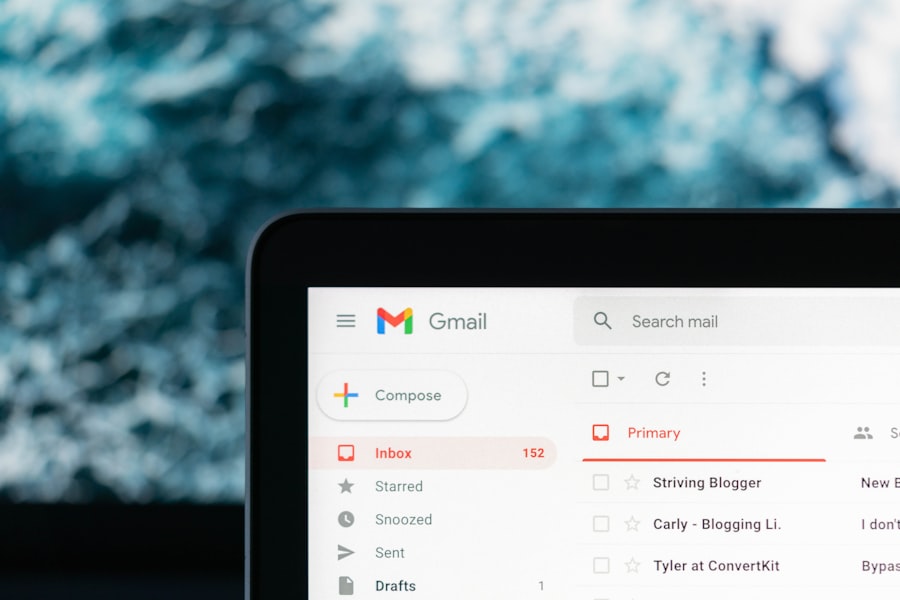
You can’t send emails without people to send them to. Growing a quality email list is an ongoing process that requires strategic effort.
Ethical List Building Practices
It’s tempting to take shortcuts, but building a list through ethical means is crucial for long-term success and avoiding potential issues.
Opt-In Methods
This is the cornerstone of legitimate email list building. Subscribers must explicitly agree to receive your emails.
- Single Opt-In: Users subscribe by simply submitting their email address.
- Double Opt-In: After submitting their email, users receive a confirmation email, which they must click to activate their subscription. This method results in a higher quality list as it ensures genuine interest and reduces typos.
Lead Magnets
Offer something valuable in exchange for an email address. This incentivizes people to subscribe.
- Ebooks and Whitepapers: In-depth guides on relevant topics.
- Checklists and Templates: Practical tools that help users achieve a goal.
- Webinar Registrations: Access to exclusive online events.
- Discounts and Coupons: A direct incentive for immediate engagement.
- Free Trials or Demos: Allow users to experience your product or service firsthand.
Where to Place Sign-Up Forms
Make it easy for people to find your subscription options.
Website Integration
- Homepage: Prominently display a signup form, perhaps in a dedicated section or as a pop-up after a certain time on page or scroll depth.
- Blog Posts: Integrate forms within or at the end of relevant articles to capture interested readers.
- Dedicated Landing Pages: Create specific pages solely focused on promoting a lead magnet and collecting email addresses.
- Footer: Include a signup form in your website’s footer for consistent visibility.
- Contact Us Page: Offer an additional option for visitors who are already engaging with your brand.
Social Media
- Link in Bio: Use your social media bios to direct people to your email signup page.
- Lead Generation Ads: Platforms like Facebook and Instagram offer ad formats designed to collect email addresses directly.
- Posts Promoting Lead Magnets: Share content that highlights your lead magnets with a clear call to action to subscribe.
Choosing the Right Tools: Your Email Marketing Platform
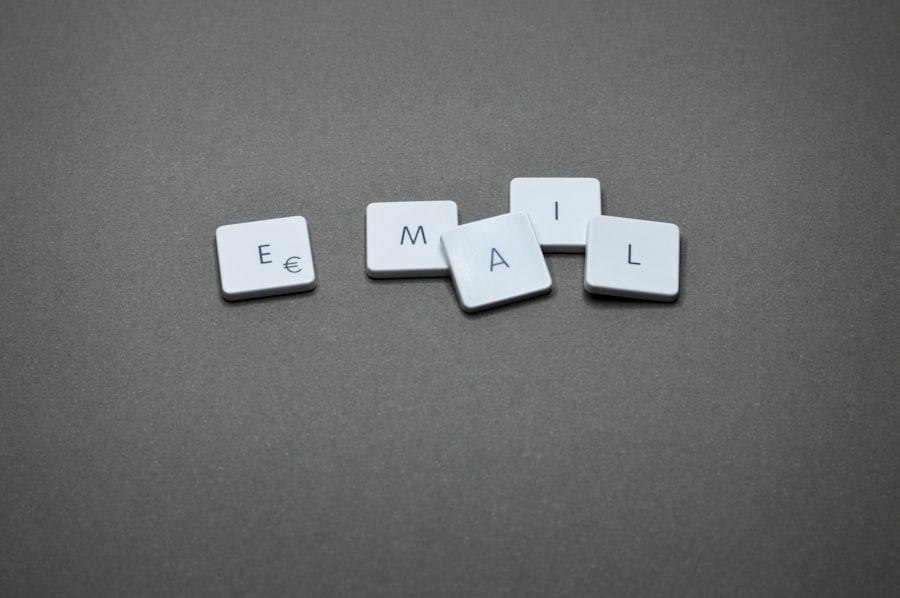
You won’t be sending emails from your personal Gmail account. You need specialized software.
Key Features to Look For
When selecting an Email Service Provider (ESP), consider these essential functionalities.
Ease of Use
As a beginner, an intuitive interface is paramount. You want to be able to create campaigns, manage lists, and analyze results without a steep learning curve. Look for drag-and-drop editors and clear navigation.
List Management Capabilities
Your ESP should allow you to organize your subscribers effectively.
- Segmentation: The ability to divide your list into smaller groups based on certain criteria (e.g., demographics, purchase history, engagement level). This allows for highly targeted messaging.
- Tagging: Applying labels to subscribers to further categorize them.
- Suppression Lists: Tools to manage unsubscribes and bounces automatically.
Automation Features
Automation saves you time and ensures timely communication.
- Welcome Series: Automatically send a sequence of emails to new subscribers.
- Abandoned Cart Reminders: For e-commerce, send emails to users who left items in their cart.
- Birthday/Anniversary Emails: Personalize communication with automated greetings.
- Triggered Emails: Send emails based on specific user actions (e.g., clicking a link, making a purchase).
Analytics and Reporting
Understanding your campaign performance is crucial for improvement.
- Open Rates: The percentage of recipients who opened your email.
- Click-Through Rates (CTR): The percentage of recipients who clicked on a link within your email.
- Unsubscribe Rates: The percentage of recipients who unsubscribed.
- Conversion Rates: If your ESP integrates with your website, you can track how many email recipients complete a desired action (e.g., purchase).
Deliverability
This is the measure of how successfully your emails reach the inbox, rather than the spam folder. A good ESP has robust systems to manage sender reputation and maintain high deliverability rates.
Pricing
ESP pricing models vary. Some offer free plans for smaller lists, while others charge based on subscriber count or sending volume. Choose a plan that aligns with your budget and your projected growth.
Popular Beginner-Friendly ESPs
Several platforms cater well to those just starting out. Research their features and pricing to find the best fit for your specific needs. Examples might include Mailchimp, Constant Contact, Sendinblue, or ActiveCampaign. Each has its strengths and weaknesses, and experimenting with free trials can be beneficial.
For those looking to enhance their understanding of email marketing, a great resource is the article on “Email Marketing Best Practices for 2023.” This piece provides valuable insights into current trends and effective strategies that can complement the fundamentals discussed in “Email Marketing Fundamentals Every Beginner Should Know.” By exploring both articles, beginners can build a solid foundation and stay updated on the latest techniques in the field. You can read more about it here.
Measuring Success and Iterating: The Path to Improvement
| Topic | Description |
|---|---|
| Email Marketing | Introduction to email marketing and its importance in digital marketing. |
| Email List Building | Strategies for building an email list including opt-in forms, lead magnets, and incentives. |
| Email Campaigns | Creating effective email campaigns, including content, design, and call-to-action. |
| Email Automation | Using automation tools to streamline email marketing processes and improve efficiency. |
| Email Analytics | Measuring the success of email marketing campaigns through open rates, click-through rates, and conversions. |
Email marketing is not a “set it and forget it” endeavor. Consistent analysis and adjustment are key to long-term success.
Key Metrics to Track
Understanding what the numbers mean is essential for making informed decisions.
Open Rate
This tells you how effective your subject lines and preheader text are at capturing attention. A low open rate might indicate a need to revise your subject line strategy or re-engage inactive subscribers.
Click-Through Rate (CTR)
A strong CTR signifies that your email content is engaging and that your calls to action are compelling. A low CTR could point to issues with your email copy, the clarity of your CTA, or the relevance of your offer.
Conversion Rate
This is the ultimate measure of your email campaign’s success in achieving its goals, whether that’s a sale, a signup, or a download. It shows how effectively your emails drive desired actions.
Bounce Rate
This indicates the percentage of emails that couldn’t be delivered.
- Hard Bounces: Permanent delivery failures, typically due to an invalid or non-existent email address. These should be removed from your list immediately.
- Soft Bounces: Temporary delivery issues, such as a full inbox or a server problem. These can sometimes be retried. A high hard bounce rate suggests issues with your list quality or signup process.
Unsubscribe Rate
While some unsubscribes are inevitable, a consistently high rate can be a red flag. It might suggest that your content isn’t relevant, your emails are too frequent, or you’re not delivering on your promises.
Analyzing and Adjusting Your Strategy
Use the data you collect to refine your approach.
A/B Testing
This is a scientific method for comparing two versions of an email element to see which performs better.
- Subject Lines: Test different wording, lengths, or the inclusion of emojis.
- Calls to Action: Experiment with different button text, colors, or placement.
- Email Copy: Try variations in tone, length, or the order of information.
- Images: See if different visuals impact engagement.
List Segmentation Refinement
As you gather more data on subscriber behavior, you can further refine your segments. This allows for even more personalized and relevant campaigns, leading to improved engagement and conversion rates.
Content Optimization
Based on what resonates with your audience, adjust the types of content you create and the way you present it. If educational content drives more engagement than promotions, lean into that. If certain topics consistently get high click-through rates, explore them further.
Sending Frequency and Timing
Experiment with different sending schedules to determine when your subscribers are most likely to engage. What works for one audience might not work for another. Track open and click patterns to identify optimal times.
By understanding these basics, diligently applying them, and continuously learning from your results, you will be well on your way to mastering email marketing. This skill will serve you, and your audience, for years to come.
FAQs
What is email marketing?
Email marketing is a digital marketing strategy that involves sending promotional messages or content to a group of people via email. It is commonly used to build brand awareness, promote products or services, and nurture customer relationships.
Why is email marketing important for businesses?
Email marketing is important for businesses because it is a cost-effective way to reach and engage with a targeted audience. It allows businesses to directly communicate with their customers, build brand loyalty, drive sales, and generate leads.
What are the key components of a successful email marketing campaign?
The key components of a successful email marketing campaign include a well-defined target audience, compelling and relevant content, a clear call-to-action, mobile responsiveness, and effective email list management.
What are some best practices for email marketing beginners?
Some best practices for email marketing beginners include obtaining permission before sending emails, personalizing content, testing different email elements, monitoring and analyzing campaign performance, and adhering to email marketing regulations such as the CAN-SPAM Act.
What are some common email marketing mistakes to avoid?
Common email marketing mistakes to avoid include sending too many emails, using misleading subject lines, neglecting mobile optimization, not segmenting the email list, and not providing an easy way for recipients to unsubscribe.