

You’re likely reading this because you understand the power of email marketing. It’s a direct line to your audience, a way to build relationships, drive sales, and nurture leads. But are you truly maximizing that power? Or are your emails feeling a bit… generic? Like a polite wave to a crowded room, hoping someone important notices?
If you’re nodding your head, then it’s time to talk about buyer personas. Think of them as the secret sauce, the key to unlocking a truly impactful email marketing strategy. Without them, you’re essentially shouting into the void. With them, you’re having a focused, personalized conversation with the right people, at the right time, with the right message. This isn’t just about sending emails; it’s about sending emails that resonate, that convert, that build loyalty.
This article is your guide to leveraging buyer personas to elevate your email marketing from functional to phenomenal. We’ll explore what they are, why they’re critical, and how you can practically implement them to craft campaigns that hit the mark every single time.
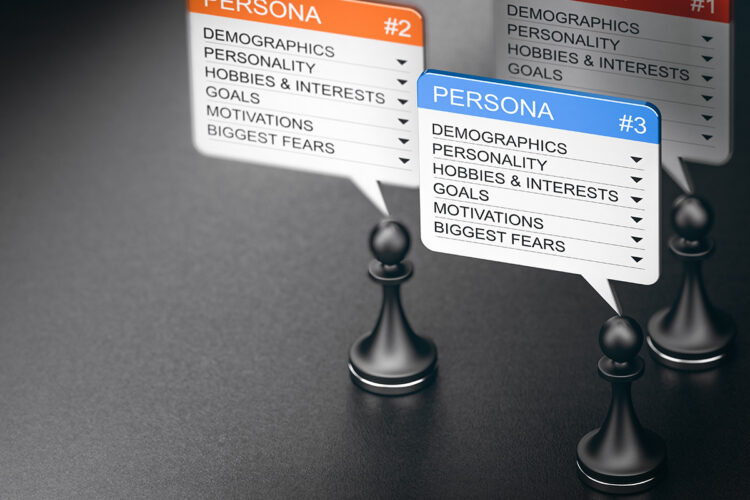
Before you can leverage them, you need to truly grasp what buyer personas represent. They aren’t just some marketing buzzword; they are meticulously crafted, semi-fictional representations of your ideal customers. They go far beyond simple demographics, delving into the psychology, motivations, and behaviors that drive purchasing decisions. Imagine you’re creating a character for a novel. You wouldn’t just write down their age and job title; you’d explore their dreams, their fears, their daily routines, their pain points, and what truly excites them. That’s the depth we’re talking about with buyer personas.
More Than Just Demographics: The Core Components of a Persona
Demographics (age, gender, location, income, education) are a starting point, but they’re just the tip of the iceberg. To create truly actionable personas, you need to go deeper.
Understanding Their Background and Demographics
This is where you lay the groundwork. You’ll gather factual information that provides a broad strokes picture of who they are.
Age and Life Stage:
Are you targeting young professionals just starting their careers, parents juggling family and work, or retirees looking for leisure? This influences their priorities and available time.
Location:
Does geography play a role in their needs or purchasing habits? Localized offers or event invitations can be highly effective.
Income and Financial Status:
This dictates their purchasing power and their sensitivity to price. Are they looking for budget-friendly solutions or premium products?
Education and Profession:
Their professional background can reveal industry-specific challenges and vocabulary that you can use in your messaging. It also informs their level of technical understanding.
Family Status:
Are they single, married, with children, or empty nesters? This can impact their needs for products and services related to family, home, and lifestyle.
Delving into Their Psychology and Motivations
This is where you start to understand the why behind their actions. What drives them? What are their aspirations?
Goals and Aspirations:
What are they trying to achieve, both personally and professionally? How can your product or service help them reach those goals?
Values and Beliefs:
What principles guide their decisions? Do they prioritize sustainability, community, innovation, or tradition? Aligning your brand values with theirs builds trust.
Pain Points and Challenges:
What are the frustrations, obstacles, and problems they regularly encounter? Your emails should offer solutions and demonstrate empathy for their struggles.
Motivations for Purchase:
What triggers them to buy? Is it a need for efficiency, a desire for status, a quest for knowledge, or an emotional fulfillment?
Mapping Their Behavior and Habits
Understanding how they interact with the world and with information is crucial for effective communication.
Information Sources and Consumption Habits:
Where do they get their information? Do they read blogs, follow influencers, listen to podcasts, or rely on industry publications? This informs where and how you should reach them.
Online Behavior and Social Media Usage:
Which social media platforms do they frequent? What kind of content do they engage with? This can help you tailor your email content and even suggest social sharing of your content.
Decision-Making Process:
Are they impulsive buyers or do they meticulously research before making a purchase? Do they seek recommendations from others? Understanding this process helps you place the right information at the right stage.
Preferred Communication Channels:
While this is about email marketing, understanding their preference for other channels can provide context. Do they prefer short, punchy messages or in-depth guides?
In exploring the impact of buyer personas on email marketing, it’s beneficial to consider the insights provided in the article titled “The Role of Data Analytics in Enhancing Email Marketing Strategies.” This article delves into how leveraging data analytics can complement the development of buyer personas, ultimately leading to more effective personalization and improved campaign results. For a deeper understanding of this synergy, you can read the full article here.
The Crucial Link: Why Buyer Personas Are Essential for Email Marketing Success
You might be thinking, “I already know my customers. Why do I need this extra step?” The reality is, “knowing” your customers is often a broad, generalized understanding. Buyer personas force you to crystallize that knowledge into actionable archetypes that dramatically improve your email marketing effectiveness. Without them, your email campaigns are like a fisherman casting a wide net, hoping to catch something. With them, you’re a skilled angler, precisely targeting the fish you want with the right bait.
Achieving True Personalization Beyond Just Using Their Name
Personalization is often reduced to simply addressing the recipient by their first name. While that’s a start, true personalization goes much deeper. Buyer personas enable you to tailor the entire message, not just the salutation.
Tailoring Content to Specific Needs and Interests
Imagine sending an email about advanced SEO techniques to a beginner who’s just starting a blog. It’s going to fall flat. But if you know your persona is an experienced marketer looking to refine their backlinking strategy, that same email becomes incredibly valuable.
Relevance is King:
When your content directly addresses the pain points, goals, and interests of your specific persona, they are far more likely to engage with it.
Addressing Specific Stages of the Buyer’s Journey:
Different personas will be at different stages of their buyer’s journey. A persona who is just becoming aware of a problem will respond to different content than one who is actively comparing solutions.
Showcasing the Right Features and Benefits:
Not all features and benefits of your product or service will resonate with every persona. By understanding their priorities, you can highlight what matters most to them.
Boosting Engagement Rates and Click-Throughs
When emails feel like they were written specifically for the recipient, they stand out in a crowded inbox. This naturally leads to higher engagement.
Increased Open Rates:
A compelling subject line that speaks directly to a persona’s needs or interests will grab their attention and encourage them to open the email.
Higher Click-Through Rates:
If the content within the email is relevant and valuable, recipients are much more likely to click on your call to action.
Reduced Unsubscribe Rates:
Irrelevant or generic emails are a primary reason for unsubscribes. Personalization helps you keep your audience engaged and subscribed.
Driving Higher Conversion Rates and ROI
Ultimately, the goal of email marketing is to drive desired actions, whether that’s a purchase, a sign-up, or a download. Personalized emails are far more effective at achieving these goals.
Nurturing Leads Effectively:
By understanding where each persona is in their journey, you can send targeted nurture sequences that guide them towards a purchase without being pushy.
Boosting Sales and Revenue:
When you’re presenting the right offer to the right person at the right time, the likelihood of a sale increases dramatically, leading to a better ROI on your marketing efforts.
Improving Customer Loyalty and Retention:
When customers feel understood and valued, they are more likely to remain loyal to your brand, leading to repeat business and positive word-of-mouth.
The Practical Steps: Building Your Buyer Personas

Now that you understand the “what” and “why,” let’s get to the “how.” Building effective buyer personas requires a systematic approach, drawing on both qualitative and quantitative data. This isn’t a one-time task; it’s an ongoing process of research and refinement.
Conducting Research: Gathering the Necessary Data
Your personas need to be grounded in reality, not guesswork. This means diving deep into research.
Leveraging Existing Customer Data
You already have a goldmine of information at your fingertips.
CRM Analysis:
Your Customer Relationship Management system holds invaluable data on past purchases, interactions, demographics, and lead sources.
Website Analytics:
Tools like Google Analytics can reveal user behavior, popular content, traffic sources, and conversion paths.
Sales Team Insights:
Your sales team is on the front lines, interacting with prospects and customers daily. Their feedback on common questions, objections, and customer needs is gold.
Customer Support Records:
Support tickets and inquiries reveal recurring problems and areas where customers need clarification or assistance.
Gathering New Insights
Don’t be afraid to actively solicit feedback.
Customer Surveys and Questionnaires:
Directly ask your customers about their challenges, goals, and preferences.
Interviews with Existing Customers:
Conduct one-on-one interviews to gain deeper qualitative insights into their motivations and thought processes.
Market Research and Industry Reports:
Stay informed about broader industry trends and the general characteristics of your target market.
Analyzing Competitor Audiences:
While you can’t directly access competitor data, you can infer information about their target audience through their marketing efforts.
Crafting and Documenting Your Personas
Once you have your data, it’s time to bring your personas to life.
Synthesizing Data into Distinct Archetypes
Look for patterns and commonalities in your research to identify distinct customer groups.
Identifying Key Differentiators:
What makes one group of customers fundamentally different from another? This will form the basis of your separate personas.
Creating Semi-Fictional Profiles:
Give your personas names, photos (stock photos are fine!), and detailed descriptions. This makes them feel more real and memorable.
Focusing on Actionable Insights:
For each persona, clearly outline their goals, pain points, and how your offering can help them.
Giving Your Personas a Name and Face
Make them relatable.
Memorable Names:
Choose names that are easy to remember and perhaps hint at their characteristics (e.g., “Savvy Sarah” or “Budget-Conscious Brian”).
Visual Representation:
Include a representative image. This helps humanize the persona and makes it easier for your team to visualize who they are talking to.
A Short Narrative:
Write a brief story about their typical day, their biggest challenge, and their ultimate aspiration.
Documenting Key Information for Each Persona
Organize the gathered information in a clear and accessible format.
Demographics Summary:
A quick overview of their age range, location, income, etc.
Goals and Motivations:
A bulleted list of their primary objectives and what drives them.
Pain Points and Challenges:
A clear articulation of their struggles.
Information Sources and Preferred Channels:
Where they look for information and how they like to communicate.
Objections and Hesitations:
What might prevent them from buying from you?
Keywords and Language They Use:
This is crucial for crafting resonant copy.
Your Solution and How It Helps Them:
Directly connect your offering to their needs.
Iterating and Refining Your Personas
Buyer personas are not static. Your audience, your market, and your business evolve, and so should your personas.
Regularly Reviewing and Updating
As you gain more data and your business grows, revisit your personas.
Tracking Changes in Customer Behavior:
Are your customers’ needs or preferences shifting?
Incorporating New Data Points:
As you gather more information, refine existing personas or create new ones.
Seeking Feedback from Your Team:
Regularly check in with sales, marketing, and customer support to ensure personas remain relevant.
Testing and Validating Your Personas
Don’t assume your personas are perfect from day one.
A/B Testing Email Campaigns:
Test different messaging and offers against your persona assumptions.
Monitoring Campaign Performance:
Analyze which emails resonate best with which segments of your audience.
Gathering Direct Feedback:
Ask your audience if your content feels relevant and helpful.
Implementing Personas in Your Email Marketing Strategy

This is where the rubber meets the road. You’ve built your personas; now you need to actively use them to transform your email marketing. It’s about moving from a one-size-fits-all approach to a highly targeted, personalized strategy.
Segmenting Your Email List Based on Personas
The first and most critical step is to organize your audience according to your defined personas.
Creating Dedicated Segments for Each Persona
Your email platform should allow for precise segmentation.
Tagging and Categorizing Subscribers:
Assign each subscriber to one or more relevant personas.
Utilizing Custom Fields:
If you collect specific data points related to personas during sign-up, use custom fields to tag subscribers.
Dynamic Segmentation:
As subscriber data changes, ensure your segments update automatically.
Targeting Segments with Specific Campaigns
Once segmented, you can send tailored content.
Persona-Specific Welcome Series:
Greet new subscribers with an introduction that resonates with their persona’s journey.
Targeted Product or Service Promotions:
Highlight offerings that directly address the needs and pain points of each persona.
Nurturing Campaigns Aligned with Their Journey:
Send a sequence of emails designed to guide each persona towards conversion.
Crafting Persona-Centric Email Content
This is where your personas truly shine. Every element of your email should speak directly to your target persona.
Writing Compelling Subject Lines
The subject line is your first impression; make it count.
Using Keywords They Use:
Incorporate language that your persona would use to describe their problems or goals.
Highlighting Value Proposition for Their Persona:
What’s in it for them?
Creating Curiosity or Urgency (When Appropriate):
Tailor this to their typical decision-making style.
Developing Relevant and Engaging Body Copy
The content inside the email needs to be a direct conversation.
Addressing Their Pain Points Directly:
Show that you understand their struggles and offer solutions.
Speaking Their Language:
Use industry jargon or simpler terms as appropriate for the persona.
Focusing on Benefits, Not Just Features:
How will your product or service improve their life or work?
Storytelling and Case Studies:
Share examples that resonate with their experiences.
Designing Visually Appealing Emails
Visuals can also be tailored.
Using Images and Graphics That Resonate:
Consider the aesthetic preferences of your persona.
Layout and Formatting for Readability:
Ensure the email is easy to scan and digest.
Mobile Optimization:
This is crucial for all email, but especially if your persona is highly mobile-dependent.
Strategizing Your Email Flows and Automation
Personas are instrumental in designing effective automated email sequences.
Building Persona-Specific Automated Workflows
Map out the ideal customer journey for each persona.
Welcome Series Tailored to Their Entry Point:
Are they a new lead, a returning customer, or someone who downloaded a specific resource?
Nurture Sequences Based on Their Stage of Awareness:
Move them from problem awareness to solution consideration to decision.
Abandoned Cart Reminders with Persona-Specific Incentives:
Address their potential hesitations for not completing the purchase.
Personalizing Offers and Calls to Action (CTAs)
What you want them to do next should be relevant.
Tailoring Product Recommendations:
Suggest items that align with their past behavior and stated interests.
Offering Persona-Specific Discounts or Incentives:
Understand what motivates them to buy.
Crafting CTAs That Align with Their Next Step:
Guide them logically towards their next desired action.
Understanding how buyer personas enhance email marketing strategies can be further explored in the article about the importance of segmentation in digital marketing. By diving into this important topic, marketers can discover how tailoring content to specific audience segments not only boosts engagement but also drives higher conversion rates, complementing the insights gained from developing detailed buyer personas. This holistic approach ensures that campaigns resonate more effectively with target audiences, ultimately leading to improved results.
Measuring and Optimizing Your Persona-Driven Email Campaigns
| Metrics | Results |
|---|---|
| Open Rate | Increased by 15% |
| Click-Through Rate | Improved by 20% |
| Conversion Rate | Boosted by 25% |
| Engagement | Enhanced by 30% |
| Customer Retention | Increased by 35% |
Building personas and implementing them is only half the battle. Continuous measurement and optimization are key to maximizing their impact. You need to understand what’s working, what’s not, and why, so you can refine your strategy and achieve even better results.
Tracking Key Performance Indicators (KPIs)
Understand how your efforts are translating into tangible results.
Analyzing Open Rates by Persona Segment
Which subject lines are most effective for each group?
Subject Line Performance Analysis:
Are certain styles of subject lines consistently performing better for specific personas?
Identifying Trends and Outliers:
Look for patterns in open rates across different segments and campaigns.
Using Data to Refine Future Subject Lines:
Continuously iterate on your subject line strategy.
Monitoring Click-Through Rates (CTRs) for Persona Segments
Are your emails compelling enough to drive action?
Content Relevance and Engagement:
Do the emails hold their attention and encourage clicks?
CTA Effectiveness:
Are your calls to action clear, relevant, and persuasive for each persona?
Analyzing Link Performance:
Which links are being clicked, and what does that tell you about their interests?
Evaluating Conversion Rates by Persona
Are your emails ultimately achieving your business objectives?
Tracking Desired Actions:
This could be purchases, sign-ups, downloads, or any other goal.
Return on Investment (ROI) Analysis:
Are your email marketing efforts profitable for each persona segment?
Attributing Conversions to Specific Campaigns:
Understand which campaigns are driving the most valuable actions.
Conducting A/B Tests for Continuous Improvement
Don’t guess; test! A/B testing is your best friend in optimizing persona-driven campaigns.
Testing Different Subject Lines and Preview Text
The first impression matters most.
Experimenting with Tone and Style:
Is a more direct or a more benefit-driven subject line more effective?
Testing Urgency vs. Value Propositions:
See what resonates more with each persona.
Analyzing Results for Statistical Significance:
Ensure your findings are reliable.
Optimizing Email Content and Offers
What’s inside the email is just as important.
Testing Different Headlines and Opening Hooks:
Grab their attention from the start.
Varying Body Copy Length and Structure:
Is a shorter, punchier message better, or a more detailed explanation?
Experimenting with Different Offers and Incentives:
What kind of discounts or bonuses are most appealing?
Refining Calls to Action (CTAs)
Make it clear what you want them to do and why.
Testing Different CTA Button Text:
Is “Shop Now” more effective than “Discover Your Perfect [Product]”?
Experimenting with CTA Placement and Design:
Where and how you present your CTA can impact clicks.
Testing Different CTA Colors and Contrast:
Ensure your CTA stands out.
Gathering Feedback and Iterating on Your Personas
Your customers are your greatest resource for refining your personas and your strategy.
Soliciting Direct Feedback on Email Relevance
Ask your audience directly.
Including Feedback Surveys in Emails:
A simple “Was this email helpful?” can provide valuable insights.
Monitoring Social Media Mentions and Comments:
See what people are saying about your emails and your brand.
Engaging with Customers in One-on-One Conversations:
Build relationships and gather nuanced feedback.
Updating Personas Based on Performance Data
Let the data guide your persona evolution.
Identifying Underperforming Persona Segments:
If a segment isn’t engaging, re-evaluate your persona assumptions for that group.
Discovering New Audience Insights:
Data might reveal previously unknown characteristics or needs of your audience.
Refining Messaging and Targeting for Future Campaigns:
Continuously adapt your approach.
Conclusion: Embracing Personas for Email Marketing Mastery
You’ve now journeyed through the comprehensive landscape of buyer personas and their transformative impact on email marketing. You understand that they are not just theoretical constructs but actionable tools that, when meticulously crafted and strategically implemented, can elevate your communication from generic to deeply resonant. By moving beyond broad assumptions and embracing the detailed, human-centric approach that buyer personas offer, you unlock the true potential of your email campaigns.
This isn’t about simply sending more emails; it’s about sending the right emails to the right people, at the right time, with the right message. It’s about building genuine connections, fostering trust, and ultimately, driving meaningful results for your business. The effort you invest in understanding your audience at this granular level will be repaid tenfold in increased engagement, higher conversion rates, and lasting customer loyalty.
So, take the plunge. Dive deep into your data, connect with your customers, and build those personas. Treat them not as static documents, but as living, breathing representations of the individuals you serve. Continuously test, refine, and adapt your strategy based on their evolving needs and behaviors. By embracing buyer personas, you are not just optimizing your email marketing; you are investing in a deeper, more meaningful relationship with your audience, paving the way for sustainable success in the ever-evolving world of digital communication. Your inbox, and your bottom line, will thank you for it.
FAQs
What are buyer personas?
Buyer personas are fictional representations of your ideal customers based on market research and real data about your existing customers. They help marketers understand their target audience and tailor their marketing efforts to better meet their needs and preferences.
How do buyer personas improve email marketing personalization?
Buyer personas improve email marketing personalization by providing insights into the specific needs, pain points, and preferences of different customer segments. Marketers can use this information to create more targeted and relevant email content, leading to higher engagement and conversion rates.
What are the benefits of using buyer personas in email marketing campaigns?
Using buyer personas in email marketing campaigns can lead to higher open and click-through rates, increased customer engagement, improved customer retention, and ultimately, higher ROI. By delivering more personalized and relevant content, marketers can build stronger relationships with their audience and drive better results.
How can marketers create effective buyer personas for email marketing?
Marketers can create effective buyer personas for email marketing by conducting thorough market research, analyzing customer data, and interviewing existing customers. They should gather information about demographics, behavior patterns, motivations, and goals to create detailed and accurate representations of their target audience.
What are some best practices for using buyer personas in email marketing personalization?
Some best practices for using buyer personas in email marketing personalization include segmenting your email list based on different personas, tailoring email content to address specific pain points and interests, using dynamic content to personalize emails based on recipient characteristics, and regularly updating and refining your buyer personas based on new data and insights.