


Are you tired of the complexities and frustrations that often accompany email delivery? Do you find yourself wrestling with intricate configurations, bounced emails, and inconsistent inboxing rates? If so, then you’re likely searching for a solution that simplifies the entire process, allowing you to focus on your core business rather than the nuances of email infrastructure. Look no further than Mumara Bridges – your gateway to simplified cloud email delivery.
You understand the critical role email plays in modern communication, marketing, and customer engagement. Whether you’re sending transactional emails, marketing campaigns, or internal communications, reliable and efficient delivery is paramount. In this comprehensive guide, you’ll discover how Mumara Bridges empowers you to achieve just that, transforming a potentially daunting task into a seamless and highly effective operation.
Before diving into the solution, you need to understand the inherent complexities of email delivery. It’s not just about hitting the “send” button; a myriad of factors influence whether your emails land in the inbox or are relegated to the spam folder.
The Ever-Evolving Landscape of Email Security
You’ve likely noticed the increasing scrutiny applied to email. Spam filters are more sophisticated than ever, constantly adapting to new spamming techniques. This means your email needs to adhere to a strict set of rules and best practices to even stand a chance of reaching its destination.
- Sender Reputation: Your sender reputation is a crucial metric that ISPs (Internet Service Providers) use to assess the trustworthiness of your emails. A poor reputation can lead to emails being blocked or flagged as spam. Building and maintaining a good sender reputation requires consistent effort and adherence to best practices.
- Authentication Protocols (SPF, DKIM, DMARC): These technical standards are essential for verifying your email’s authenticity. Without proper implementation, your emails are vulnerable to spoofing and are more likely to be rejected. You’ll need to understand how to configure these records correctly in your DNS.
- Content Filtering: ISPs analyze the content of your emails for suspicious keywords, links, and formatting. You must ensure your email content is clean, relevant, and not indicative of spam.
- Blacklists: If your IP address or domain ends up on a blacklist, your emails will be automatically blocked by many recipients. This often happens due to high bounce rates or spam complaints.
The Infrastructure Headache
Managing your own email sending infrastructure can be a nightmare. You’re responsible for everything from server maintenance to IP reputation management.
- Server Provisioning and Maintenance: Setting up and maintaining email servers requires specialized knowledge and ongoing effort. You’ll need to deal with operating systems, security patches, and potential hardware failures.
- IP Warm-up: When you acquire new IP addresses, you can’t just start sending high volumes of email immediately. You need to gradually “warm up” the IPs to build a positive sending history with ISPs, a process that can take weeks or even months.
- Scalability Challenges: As your email volume grows, your infrastructure needs to scale accordingly. This can be a complex and expensive undertaking, requiring additional hardware, software licenses, and administrative resources.
- Monitoring and Troubleshooting: Diagnosing delivery issues can be time-consuming and frustrating. You need robust monitoring tools and expertise to identify the root cause of problems like bounces or delays.
The Cost Factor
The hidden costs of email delivery can quickly add up, especially if you’re trying to manage everything in-house.
- Software Licenses and Subscriptions: From email server software to monitoring tools, you’ll incur costs for various licenses.
- Hardware and Infrastructure: Servers, networking equipment, and data center space all represent significant capital expenditures.
- Personnel Costs: You’ll need skilled IT professionals to manage and maintain your email infrastructure.
- Lost Opportunities: Poor deliverability means your messages aren’t reaching your audience, leading to missed sales, diminished engagement, and a damaged brand reputation.
For those interested in exploring the intricacies of cloud email delivery and the advantages of using platforms like How Mumara, you may find the article “Understanding the Benefits of Multi-Cloud Strategies for Email Services” particularly insightful. This piece delves into how leveraging multiple infrastructure providers can enhance reliability and performance in email delivery systems. You can read it here: Understanding the Benefits of Multi-Cloud Strategies for Email Services.
Introducing Mumara Bridges: Your Simplified Solution
Now that you understand the challenges, let’s explore how Mumara Bridges provides a comprehensive and elegant solution. Mumara Bridges isn’t just another email sending platform; it’s a strategic abstraction layer that connects your Mumara installation to powerful third-party email service providers (ESPs), streamlining your entire email delivery process.
What is Mumara Bridges?
At its core, Mumara Bridges acts as an intelligent intermediary. It allows you to leverage the robust features of Mumara for list management, campaign creation, and analytics, while offloading the complex task of actual email sending to specialized cloud email delivery services. Think of it as a smart connector that optimizes your email flow, ensuring maximum deliverability and efficiency.
How Does it Work?
You configure Mumara Bridges to integrate with your chosen cloud ESPs (e.g., Amazon SES, SendGrid, Mailgun, SparkPost, SMTP.com, etc.). When you send an email campaign or a transactional email from Mumara, Mumara Bridges intelligently routes these emails through the configured cloud ESPs. This seamless integration means you benefit from the best of both worlds: Mumara’s powerful marketing automation features and the superior deliverability of leading cloud email services.
- API-driven Integration: Mumara Bridges communicates with cloud ESPs via their robust APIs, ensuring secure and efficient transfer of email data.
- Centralized Configuration: You manage all your sending accounts and settings directly within Mumara, providing a single pane of glass for your email delivery strategy.
- Intelligent Routing: Depending on your setup, Mumara Bridges can intelligently distribute your email load across multiple ESPs, enhancing redundancy and optimizing performance.
The Power of Integration: Connecting with Leading Cloud ESPs
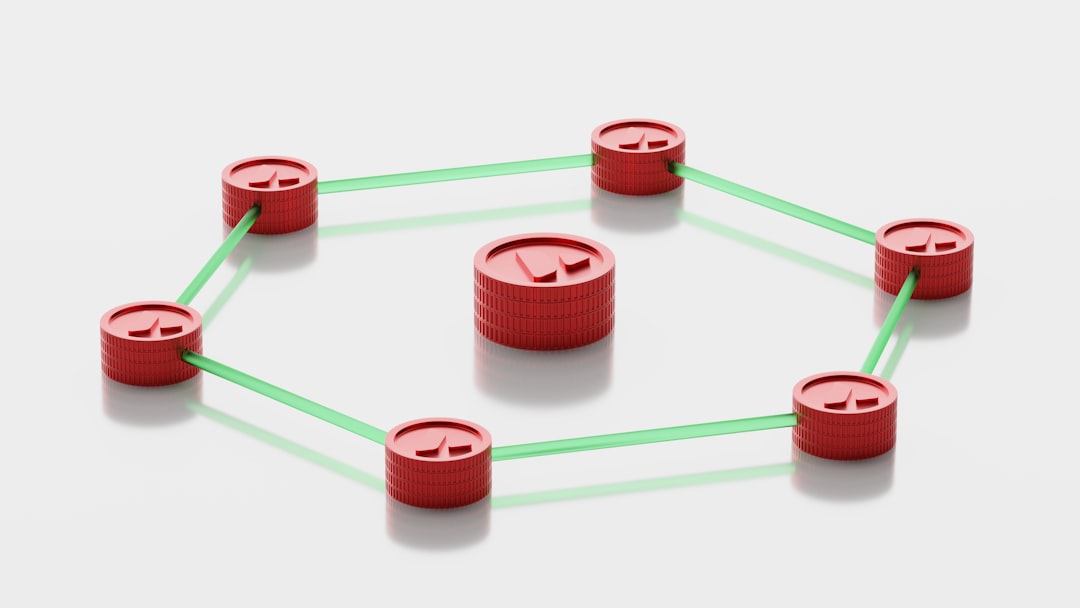
One of the greatest strengths of Mumara Bridges lies in its ability to integrate with a wide array of industry-leading cloud email delivery services. This flexibility empowers you to choose the providers that best suit your needs, budget, and sending volume.
Leveraging the Giants: AWS SES and Google Cloud
You’ll find seamless integration with two of the most powerful and cost-effective cloud services available.
- Amazon SES (Simple Email Service): For many businesses, Amazon SES is a go-to for its scalability, reliability, and highly competitive pricing. Mumara Bridges makes it incredibly easy for you to hook into SES, allowing you to send millions of emails at a fraction of the cost of traditional ESPs.
- Cost-Effectiveness: You pay only for what you send, making it ideal for varying email volumes.
- Scalability: SES is designed to handle massive sending volumes without breaking a sweat.
- High Deliverability: Backed by Amazon’s infrastructure, SES boasts excellent deliverability rates.
- Dedicated IPs (Optional): For high-volume senders, you can opt for dedicated IP addresses to further control your sender reputation.
- Google Cloud SMTP: While not as prominent for bulk sending as SES, Google Cloud offers a reliable SMTP service that can be integrated via Mumara Bridges, especially useful if you’re already deeply invested in the Google Cloud ecosystem.
Specialized ESPs: SendGrid, Mailgun, and More
Beyond the hyper-scalers, Mumara Bridges also integrates with specialized email sending platforms known for their developer-friendly APIs and excellent deliverability features.
- SendGrid: A widely popular choice, SendGrid offers a comprehensive suite of features, including advanced analytics, email validation, and a strong focus on deliverability. You can easily connect your SendGrid account to Mumara Bridges.
- Advanced Analytics: Gain deep insights into your email performance with SendGrid’s detailed reporting.
- Email Validation: Reduce bounces and improve deliverability by validating email addresses before sending.
- Expert Support: SendGrid provides robust support and resources to help you optimize your sending.
- Mailgun: Known for its powerful API and robust features for developers, Mailgun is an excellent choice for transactional emails and applications. Mumara Bridges ensures a smooth connection.
- Developer-Friendly API: If you’re building custom applications, Mailgun’s API is a joy to work with.
- Scalable Infrastructure: Designed to handle large volumes of transactional and marketing emails.
- Route Optimization: Mailgun offers intelligent routing to maximize inbox placement.
- SparkPost: Another strong contender in the transactional and marketing email space, SparkPost is lauded for its high deliverability and real-time analytics.
- Industry-Leading Deliverability: SparkPost consistently achieves high inbox placement rates.
- Real-time Analytics: Monitor your email performance as it happens, allowing for quick adjustments.
- Predictive Email Intelligence: Leverage data to optimize your sending strategy.
- SMTP.com: A long-standing and reliable SMTP relay service, SMTP.com provides straightforward email delivery without the complexities of managing your own servers.
- High Reliability: A trusted service with years of experience in email delivery.
- Simple Integration: Easy to configure and get started with minimal technical overhead.
- Scalable Plans: Choose from various plans to match your sending volume.
Your Existing SMTP Servers
Perhaps you already have a configured SMTP server, either on-premise or with a specific hosting provider. Mumara Bridges is flexible enough to accommodate these as well. You can configure your custom SMTP settings, allowing Mumara to route emails through your existing infrastructure if desired.
- Legacy System Compatibility: If you have existing email infrastructure you wish to continue using, Mumara Bridges can integrate with it.
- Specific Hosting Requirements: For certain regulatory or compliance reasons, you might need to use a specific SMTP server.
Key Benefits You’ll Experience with Mumara Bridges

By simplifying cloud email delivery, Mumara Bridges offers a wealth of advantages that directly impact your bottom line and operational efficiency.
Superior Deliverability and Inbox Placement
This is arguably the most critical benefit. When your emails consistently land in the inbox, your marketing efforts are more effective, your transactional emails are reliable, and your communication reaches its intended audience.
- Leverage ESP Reputation: You inherit the established sender reputation of the cloud ESPs, which have dedicated teams focused on maintaining pristine reputations with ISPs.
- Automatic Authentication: Mumara Bridges helps you properly configure and utilize SPF, DKIM, and DMARC records for each ESP, ensuring your emails are authenticated and trusted.
- Reduced Blacklisting: By routing through reputable ESPs, you significantly reduce the risk of your IP addresses being blacklisted.
- Intelligent Bounce Handling: ESPs automatically handle bounces, providing you with clean lists and preventing damage to your sender reputation.
Cost Efficiency and Scalability
Forget about the heavy capital expenditure and ongoing maintenance costs associated with managing your own email servers.
- Pay-as-You-Go Models: Most cloud ESPs operate on a pay-as-you-go model, meaning you only pay for the emails you send. This dramatically reduces fixed costs.
- Eliminate Infrastructure Costs: You no longer need to invest in hardware, server software, or data center space.
- Effortless Scaling: As your email volume grows, cloud ESPs seamlessly scale to meet your demands without any effort on your part. You can send thousands or millions of emails without worrying about server capacity.
- Reduced Personnel Expenses: You won’t need dedicated IT staff solely for email server management.
Time Savings and Operational Simplicity
Your time is valuable. Mumara Bridges frees you from the mundane and complex tasks of email infrastructure management.
- Simplified Configuration: Connecting your chosen ESPs to Mumara is a straightforward process, often involving just API keys and a few clicks.
- Automated Updates and Maintenance: The ESPs handle all server maintenance, security updates, and software upgrades, so you don’t have to.
- Centralized Management: Manage all your email sending settings and monitor performance from within the Mumara interface.
- Focus on Core Business: By offloading email delivery complexities, you can dedicate more resources and attention to developing your products, marketing strategies, and engaging with your customers.
Enhanced Analytics and Reporting
Cloud ESPs provide robust reporting tools, and Mumara Bridges often integrates these insights directly into your Mumara dashboard.
- Real-time Delivery Status: Monitor the status of your emails in real-time, seeing opens, clicks, bounces, and complaints.
- Detailed Performance Metrics: Gain a comprehensive understanding of your email campaign performance, allowing you to optimize future sends.
- Bounce and Complaint Management: Automatically identify and handle bounced emails and spam complaints, keeping your lists clean and your sender reputation healthy.
Flexibility and Redundancy
Don’t put all your eggs in one basket. Mumara Bridges allows you to diversify your email delivery strategy.
- Multi-ESP Strategy: You can configure multiple cloud ESPs and distribute your sending load across them. This provides redundancy in case one provider experiences an outage or a deliverability issue.
- Geo-Specific Routing: Potentially route emails through ESPs with data centers closer to your recipients, improving latency (though less critical for email than other services).
- A/B Testing ESPs: Experiment with different ESPs to determine which performs best for specific types of campaigns or recipient segments.
In the ever-evolving landscape of cloud email delivery, understanding the nuances of infrastructure management is crucial for businesses. A related article that delves deeper into the challenges and solutions of cloud email systems is available for those interested in enhancing their email strategies. You can explore this insightful piece on cloud email infrastructure, which complements the discussion on how Mumara bridges simplify email delivery across multiple providers. This resource provides valuable insights that can help organizations optimize their email campaigns effectively.
Implementing Mumara Bridges: A Step-by-Step Guide
| Feature | Description |
|---|---|
| Multi-Cloud Support | Mumara Bridges can seamlessly integrate with multiple infrastructure providers, allowing users to leverage the best of each provider’s capabilities. |
| Load Balancing | The Bridges platform offers load balancing capabilities, ensuring that email delivery is distributed evenly across different infrastructure providers. |
| Redundancy | By utilizing multiple infrastructure providers, Mumara Bridges can provide redundancy and failover capabilities, ensuring high deliverability rates. |
| Real-time Monitoring | Users can monitor the performance of different infrastructure providers in real-time, allowing them to make informed decisions to optimize email delivery. |
Getting started with Mumara Bridges is a streamlined process. You’ll find yourself up and running with enhanced email delivery in no time.
Step 1: Choose Your Cloud ESP(s)
Before you do anything else, you need to decide which cloud email service provider(s) you want to use. Consider factors like:
- Pricing: Compare the cost per email for your expected volume.
- Features: Do you need advanced analytics, email validation, or dedicated IPs?
- Ease of Use: How developer-friendly is their API and documentation?
- Support: What kind of customer support do they offer?
Once you’ve made your choice, create an account with your selected ESP.
Step 2: Configure Your ESP Account
Each ESP will have its own setup process, but generally, you’ll need to:
- Verify Your Sending Domain: Prove to the ESP that you own the domain you’ll be sending emails from. This typically involves adding TXT records to your DNS.
- Generate API Keys/Credentials: These are the unique keys that Mumara Bridges will use to communicate securely with your ESP. Keep these confidential.
- Set Up Authentication (SPF/DKIM/DMARC): Ensure you configure these critical DNS records correctly as per your ESP’s instructions. This is vital for deliverability.
Step 3: Integrate with Mumara Bridges
This is where Mumara Bridges shines in its simplicity.
- Access Mumara Bridges in Mumara: Navigate to the “Bridges” section within your Mumara installation.
- Add New Bridge: Select the ESP you’re integrating (e.g., Amazon SES, SendGrid).
- Enter Credentials: Input the API keys or other credentials you obtained from your ESP.
- Configure Settings: You might have options like setting daily sending limits, defining which “from” email addresses can be used, or enabling specific features.
- Test Connection: Mumara Bridges usually offers a test function to ensure the connection to your ESP is working correctly.
Step 4: Assign Bridges to Campaigns/Email Types
Now that your Bridges are configured, you tell Mumara how to use them.
- Default Bridge: You can set a default Bridge for all outgoing emails.
- Campaign-Specific Bridges: For individual email campaigns, you can choose which Bridge to use, allowing you to segment your sending based on ESP.
- Transactional Email Routing: Configure Mumara to use a specific Bridge for transactional emails (e.g., order confirmations, password resets) to ensure critical messages are sent via your most reliable ESP.
Step 5: Monitor and Optimize
Your work isn’t done after setup. Continuous monitoring and optimization are key to maintaining high deliverability.
- Review Mumara’s Reports: Regularly check Mumara’s email reports to monitor opens, clicks, bounces, and complaints.
- Check ESP Dashboards: Log in to your ESP’s dashboard for even more granular data and deliverability insights.
- Address Issues Promptly: If you notice a sudden spike in bounces or complaints, investigate immediately and adjust your sending practices or content as needed.
- Clean Your Lists: Regularly remove inactive subscribers and bounced email addresses to maintain a healthy sender reputation.
Who Will Benefit Most from Mumara Bridges?
You might be wondering if Mumara Bridges is the right fit for your specific needs. The answer is likely yes, especially if you fall into any of these categories:
Digital Marketing Agencies
You manage email campaigns for multiple clients, each with unique needs and sending volumes. Mumara Bridges allows you to centralize management while utilizing the best ESPs for each client, ensuring optimal performance and cost-effectiveness across your portfolio.
E-commerce Businesses
You rely heavily on transactional emails (order confirmations, shipping updates) and marketing campaigns to drive sales. Mumara Bridges ensures these critical emails reach your customers reliably, enhancing the customer experience and increasing conversions.
SaaS Companies
Your platform sends a variety of emails, from user onboarding sequences to notification emails and marketing updates. With Mumara Bridges, you can maintain high deliverability for all these diverse email types, critical for user engagement and retention.
Large Organizations with High Sending Volumes
You send millions of emails monthly and need robust, scalable, and cost-effective solutions. Mumara Bridges provides the infrastructure to handle these volumes efficiently, without the headache of managing complex internal systems.
Businesses Seeking Redundancy and Flexibility
You understand the importance of not having all your eggs in one basket. Mumara Bridges allows you to implement a multi-ESP strategy, ensuring that even if one provider faces an issue, your email delivery remains uninterrupted.
Your Path to Simplified Email Delivery
In conclusion, you are now equipped with a clear understanding of the challenges in email delivery and how Mumara Bridges stands out as a powerful and essential solution. It eliminates the complexities, reduces costs, enhances deliverability, and frees up your valuable time.
By intelligently connecting your Mumara campaigns to world-class cloud email service providers, Mumara Bridges empowers you to focus on crafting compelling messages and building stronger relationships with your audience, rather than battling technical infrastructure. Embrace the simplicity, reliability, and cost-efficiency that Mumara Bridges brings to your email delivery strategy. Your journey to effortless and highly effective email communication starts here.
FAQs
What are Mumara Bridges?
Mumara Bridges are a set of tools and services designed to simplify cloud email delivery across multiple infrastructure providers. They provide a unified platform for managing and optimizing email delivery across different providers.
How do Mumara Bridges simplify cloud email delivery?
Mumara Bridges simplify cloud email delivery by providing a single interface for managing email delivery across multiple infrastructure providers. This allows users to easily switch between providers, optimize delivery performance, and monitor delivery metrics from one centralized platform.
What are the benefits of using Mumara Bridges for cloud email delivery?
Some benefits of using Mumara Bridges for cloud email delivery include improved delivery performance, reduced reliance on a single infrastructure provider, simplified management of multiple providers, and access to comprehensive delivery metrics and analytics.
Can Mumara Bridges be used with any infrastructure provider?
Yes, Mumara Bridges are designed to work with a wide range of infrastructure providers, including major cloud service providers and email delivery platforms. This flexibility allows users to choose the best provider for their specific needs and easily switch between providers as needed.
How can businesses benefit from using Mumara Bridges for cloud email delivery?
Businesses can benefit from using Mumara Bridges for cloud email delivery by improving the reliability and performance of their email delivery, reducing the risk of delivery disruptions, and gaining greater control and visibility over their email delivery infrastructure.