


Understanding Your Audience and Their Journey
Keeping email subscribers engaged year-round isn’t about sending more emails; it’s about sending the right emails to the right people at the right time. Before you even think about content, you need to deeply understand your audience. Who are they? What are their pain points, aspirations, and interests? What stage are they at in their relationship with your brand? This foundational understanding will inform every aspect of your content strategy, ensuring your emails resonate and provide genuine value. Without this insight, you’re essentially broadcasting into the void, hoping something sticks. Your subscribers are individuals, not just numbers on a list, and treating them as such is the first step towards sustained engagement.
Crafting Detailed Subscriber Personas
Imagine your ideal subscriber. Give them a name, a job, hobbies, and even a typical day. This isn’t just a creative exercise; it’s a strategic necessity. Developing detailed subscriber personas allows you to step into their shoes and anticipate their needs. Think about their demographics: age, location, income, and education. But don’t stop there. Delve into their psychographics: their values, beliefs, attitudes, interests, and lifestyles. What are their goals, both personal and professional, that your brand can help them achieve? What challenges do they face that your products or services can alleviate? Are they early adopters, bargain hunters, or focused on sustainability? The more granular you get, the more effectively you can segment your audience and tailor your content. For example, if you sell software, one persona might be a “Small Business Owner Sarah” who is time-poor and needs quick, easy solutions, while another might be “Enterprise IT Manager Tom” who values robust features, security, and scalability. Their content needs will be vastly different, and treating them the same will lead to disengagement for at least one, if not both.
Mapping the Subscriber Lifecycle
Your relationship with a subscriber isn’t static; it evolves over time. From the moment they opt-in to becoming a loyal customer, they move through various stages of a lifecycle. Understanding this journey is crucial for delivering relevant content. Initially, they might be in an “awareness” phase, just learning about your brand. Then they move to “consideration,” comparing your offerings to competitors. Next comes the “conversion” stage, where they make a purchase. But the journey doesn’t end there; you then need to nurture them through “retention” and ultimately aim for “advocacy,” where they become promoters of your brand. Each stage requires different types of content and a different tone. A welcome series for a new subscriber will focus on introducing your brand and its value proposition, while an email to a long-term customer might offer exclusive access to new products or solicit feedback. By mapping out these stages, you can proactively plan your email sequences, ensuring a smooth and valuable experience at every touchpoint. This isn’t a linear path for everyone, of course; some might skip stages or revert to earlier ones, which is where dynamic content and personalized automation become invaluable.
Identifying Key Engagement Metrics
How do you know if your content strategy is working? You need to track the right metrics. Beyond basic open rates and click-through rates, consider deeper engagement indicators. Are subscribers forwarding your emails? Are they replying? Are they clicking on specific calls to action that lead to purchases or resource downloads? Are your unsubscribe rates stable, or are they creeping up? Pay close attention to segment-specific metrics. If a particular segment consistently shows low engagement, it’s a clear signal that your content isn’t resonating with them, and you need to adjust your approach for that group. Look at time spent on page after clicking through an email, or the conversion rate from an email campaign. Ultimately, engagement should translate into measurable business outcomes, whether that’s sales, leads, or brand loyalty. Regularly reviewing these metrics will provide the data-driven insights necessary to continuously refine and optimize your strategy. It’s a feedback loop: analyze, adjust, test, and analyze again.
To enhance your understanding of effective email marketing, you may find the article on “Creating Compelling Email Content That Resonates with Your Audience” particularly useful. This resource delves into strategies for crafting engaging content that not only captures attention but also fosters a deeper connection with your subscribers. For more insights, check out the article here.
Developing a Dynamic Content Calendar
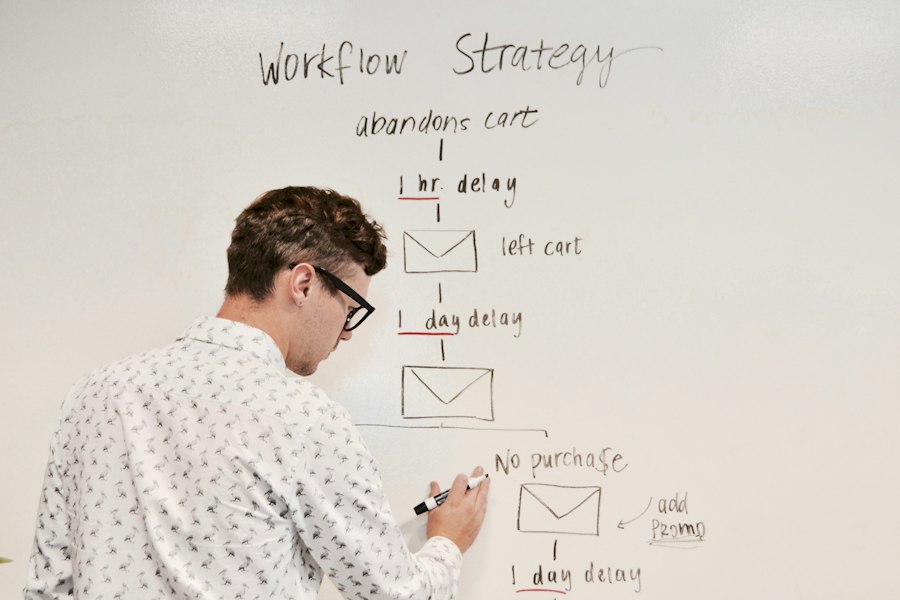
Once you have a solid understanding of your audience and their journey, the next step is to translate that knowledge into a tangible content plan. A dynamic content calendar isn’t just a list of email sends; it’s a strategic blueprint that ensures consistency, relevance, and variety throughout the year. It helps you anticipate seasonal trends, plan for promotions, and most importantly, deliver valuable content that keeps your subscribers engaged without overwhelming them. Think of it as the conductor’s score for your email orchestra, ensuring every instrument plays its part at the right moment.
Incorporating Seasonal and Event-Based Content
The year is punctuated by holidays, seasons, and industry-specific events that provide natural opportunities for engagement. Your content calendar should strategically incorporate these. Think beyond the obvious major holidays. What are the less conventional “holidays” relevant to your niche (e.g., National Coffee Day for a coffee brand, or Cybersecurity Awareness Month for a tech company)? Plan content around these themes well in advance. For seasonal content, consider how your offerings or advice change with spring, summer, fall, and winter. A fitness brand, for example, might focus on “summer body” workouts in spring, outdoor activities in summer, immune boosting in fall, and indoor fitness challenges in winter. Event-based content could revolve around product launches, webinars, conferences you’re attending or hosting, or even significant company anniversaries. The key is to leverage these moments to create timely and relevant content that feels organic, not forced. Pre-planning allows for high-quality content creation, including bespoke visuals and compelling copy, rather than last-minute rushed efforts.
Balancing Promotional and Value-Driven Emails
One of the biggest pitfalls in email marketing is an overreliance on promotional content. While sales and offers are important, a constant barrage of “buy now” messages will quickly lead to subscriber fatigue and unsubscribes. Your content calendar must strike a careful balance between promotional emails and value-driven content. For every email asking subscribers to buy something, you should ideally send several emails that provide genuine value without a direct sales pitch. Value-driven content can take many forms: educational articles, helpful tips, exclusive behind-the-scenes glimpses, interviews with experts, case studies, free resources (eBooks, templates), or simply inspiring stories. This approach builds trust and positions your brand as a helpful resource, not just a seller. When subscribers consistently receive useful information, they are more likely to pay attention when you do send a promotional email because they’ve learned to trust your brand as a source of good content. A good rule of thumb might be a 3:1 or 4:1 ratio of value to promotional content, but this can vary depending on your industry and audience.
Integrating Evergreen Content Strategies
Not all content needs to be timely or seasonal. Evergreen content remains relevant and valuable to your audience over a long period, making it a powerful asset for sustained engagement. These are the foundational pieces of information, tutorials, guides, or frequently asked questions that address core needs or interests of your subscribers regardless of when they join your list. Incorporating evergreen content into your calendar ensures a steady stream of valuable information that new subscribers can benefit from and existing subscribers can revisit. This content is also excellent for automated welcome series or re-engagement campaigns. For example, a cooking blog might have evergreen content on “How to make a perfect sourdough starter” or “10 essential knife skills.” A finance advisor might have “Beginner’s guide to investing” or “Understanding your credit score.” By creating and repurposing evergreen content, you reduce the constant pressure to generate entirely new ideas and provide consistent value. Regularly review and update your evergreen content to ensure its accuracy and continued relevance.
Personalization and Segmentation for Deeper Engagement
Sending one-size-fits-all emails is a relic of the past. In today’s crowded inboxes, personalization and segmentation are not just nice-to-haves; they are essential for cutting through the noise and maintaining engagement. By delivering highly relevant content to specific segments of your audience, you demonstrate that you understand their unique needs and preferences, fostering a stronger, more meaningful connection.
Leveraging Subscriber Data for Hyper-Personalization
Every interaction a subscriber has with your brand, both within email and on your website, provides valuable data. Leverage this data to hyper-personalize your emails. Beyond simply using their first name, think about dynamic content that changes based on their past purchases, browsing history, geographical location, or even their activity within previous emails (e.g., did they click on a specific category of products?). If they recently viewed a product but didn’t buy, a follow-up email could feature that specific product, related items, or customer reviews. If they’ve purchased a particular type of product, you can recommend complementary items or provide tips on how to get the most out of their purchase. The more data points you can intelligently incorporate, the more relevant and compelling your emails become. This level of personalization moves beyond basic segmentation to individual-level tailoring, making each email feel uniquely crafted for the recipient. Remember to be transparent about data collection and ensure you’re compliant with privacy regulations.
Creating Granular Segments Based on Behavior and Demographics
Segmentation involves dividing your entire subscriber list into smaller, more manageable groups based on shared characteristics. These characteristics can be demographic (age, gender, location), psychographic (interests, values), or behavioral. Behavioral segmentation is particularly powerful for email engagement. Consider segments based on:
- Engagement level: Highly engaged (open and click frequently), moderately engaged, dormant (haven’t opened in X months).
- Purchase history: First-time buyers, repeat customers, high-value customers, customers who purchased a specific product category.
- Website activity: Visited specific product pages, abandoned a cart, downloaded a resource.
- Email interaction: Clicked on specific links in past emails, opened a particular series.
- Expressed preferences: Interests they’ve selected in a preference center.
The more granular your segments, the more targeted your content can be. Instead of sending a generic newsletter, you might send an email about advanced features to your “power user” segment and a “getting started” guide to your “new user” segment. This targeted approach dramatically increases the chances of your email being opened, read, and acted upon, because it directly addresses the recipient’s known needs or interests. Regularly review and refine your segments as your audience evolves and your data grows.
Implementing Automated Nurture Sequences
Automated nurture sequences are the backbone of year-round engagement, especially when combined with personalization and segmentation. These are pre-designed series of emails triggered by specific subscriber actions or milestones. They allow you to provide timely, relevant content without manual intervention.
- Welcome Series: The first interaction after opting in. Introduce your brand, set expectations, offer a valuable freebie, and guide them to their next step.
- Onboarding Series: For new customers, guide them through using your product or service, offer tips, and address common questions.
- Abandoned Cart Series: Remind subscribers of items left in their cart, perhaps offer a small incentive to complete the purchase.
- Re-engagement Series: For dormant subscribers, attempt to re-ignite their interest with valuable content or a special offer before considering removal.
- Post-Purchase Series: Thank customers, ask for reviews, suggest complementary products, or offer customer support resources.
- Milestone Series: Celebrate subscriber anniversaries, birthdays, or loyalty milestones with personalized messages or exclusive offers.
Automated sequences ensure that no subscriber falls through the cracks and that every stage of their journey is supported with appropriate content. They work continuously in the background, keeping engagement alive and nurturing relationships even when you’re focused on other tasks. The key is to design these sequences with clear goals and logical flow, ensuring each email builds upon the last and moves the subscriber closer to their next desired action.
Crafting Compelling Content and Optimizing Delivery
Even the most sophisticated strategy and detailed segmentation won’t succeed if your email content itself is uninteresting or poorly presented. The quality of your content and the effectiveness of your delivery are paramount to capturing and holding attention. This involves everything from catchy subject lines to clear calls to action and ensuring your emails actually reach the inbox.
Writing Engaging Subject Lines and Preheaders
Your subject line is the gatekeeper to your email. It’s the first, and often only, impression you make, determining whether your email gets opened or deleted. Crafting compelling subject lines requires a blend of art and science.
- Be Clear and Concise: Immediately convey the email’s value.
- Create Urgency/Scarcity (When Appropriate): “Limited-time offer,” “Ends tonight.”
- Spark Curiosity: “You won’t believe what happened next…”, “The secret to X.”
- Personalize: Use the subscriber’s name or reference their interests.
- Use Emojis Sparingly: They can grab attention but overuse can look unprofessional or trigger spam filters.
- Test, Test, Test: A/B test different subject lines to see what resonates best with your audience.
The preheader text, the short snippet of text that appears after the subject line in many inboxes, is a valuable, often overlooked, piece of real estate. Use it to expand on your subject line, add more detail, or provide another compelling reason to open the email. Don’t let it auto-populate with generic text; intentionally write a complementary preheader. Together, the subject line and preheader work as a powerful duo to entice opens.
Designing Visually Appealing and Mobile-Responsive Emails
First impressions matter. A well-designed email is more likely to be read and remembered.
- Branding Consistency: Use your brand’s colors, fonts, and logos consistently to reinforce recognition.
- Clean Layout: Avoid clutter. Use plenty of white space to make the content easy to scan.
- High-Quality Images/Videos: Visuals break up text and can convey messages more effectively. Ensure images are optimized for web and load quickly. Consider embedding short, engaging videos if your email platform supports it.
- Clear Hierarchy: Use headings, subheadings, and bullet points to guide the reader’s eye and highlight key information.
- Mobile Responsiveness: A vast majority of emails are opened on mobile devices. Your emails must be designed to render perfectly on all screen sizes. This means responsive templates, appropriately sized fonts, and touch-friendly buttons. Test your emails on various devices before sending. A bad mobile experience is a quick path to the trash folder.
- Accessibility: Consider subscribers with visual impairments. Use sufficient contrast, provide alt text for images, and ensure your content can be read by screen readers.
Optimizing Calls to Action (CTAs)
Every email should have a clear purpose, and your Call to Action (CTA) is how you guide subscribers towards that purpose.
- Be Explicit: Use action-oriented language that tells subscribers exactly what you want them to do (e.g., “Shop Now,” “Download the Guide,” “Learn More,” “Register Here”).
- Prominent Placement: CTAs should be easy to find, often using a distinct button that stands out from the surrounding text.
- Single Primary CTA: While secondary CTAs can exist, focus on one main action per email to avoid overwhelming the reader.
- Benefit-Oriented: Frame the CTA around the benefit the subscriber will receive (e.g., “Unlock Your Potential” instead of just “Sign Up”).
- Test CTA Copy and Design: A/B test different wording, colors, and button sizes to see which performs best. A minor tweak can lead to significant improvements in click-through rates.
- Landing Page Alignment: Ensure the landing page linked by your CTA is consistent with the email’s message and provides a seamless user experience.
Ensuring Deliverability and Avoiding Spam Filters
Even the most brilliant content is useless if it doesn’t reach the inbox. Deliverability is critical.
- Maintain a Clean List: Regularly remove inactive or unengaged subscribers. Sending to outdated or invalid addresses hurts your sender reputation.
- Authenticate Your Emails: Implement SPF, DKIM, and DMARC records to prove your emails are legitimate and prevent spoofing.
- Avoid Spam Trigger Words: Phrases like “free money,” “guarantee,” “limited offer,” or excessive use of capitalization and exclamation marks can trigger spam filters.
- Monitor Sender Reputation: Use tools to track your sender score and identify potential issues.
- Provide Clear Unsubscribe Options: Make it easy for subscribers to opt-out. Forcing them to search for an unsubscribe link will lead to spam complaints, which are far more damaging than an unsubscribe.
- Don’t Buy Email Lists: These lists often contain invalid addresses and generate high complaint rates, severely damaging your sender reputation.
- Image to Text Ratio: Ensure there’s enough text in your email relative to images. Emails that are entirely image-based can sometimes be flagged.
- Warm-Up Your IP (if applicable): If you’re sending from a new IP address, gradually increase your sending volume to build a positive sending history.
Creating a successful content strategy is essential for maintaining engagement with your email subscribers throughout the year. To delve deeper into this topic, you might find the article on creating engaging email content particularly insightful, as it offers practical tips and examples that can help you craft messages that resonate with your audience. By implementing the strategies discussed in both articles, you can ensure that your email campaigns remain fresh and relevant, ultimately fostering a loyal subscriber base.
Continuous Improvement Through Testing and Analysis
| Metric | Description | Target Value | Frequency | Notes |
|---|---|---|---|---|
| Open Rate | Percentage of subscribers who open your emails | 20% – 30% | Monthly | Higher open rates indicate engaging subject lines and relevant content |
| Click-Through Rate (CTR) | Percentage of subscribers who click links within your emails | 2% – 5% | Monthly | Measures content relevance and call-to-action effectiveness |
| Unsubscribe Rate | Percentage of subscribers who opt out from your list | Less than 0.5% | Monthly | Low rates indicate content is valuable and not overwhelming |
| List Growth Rate | Rate at which your email list is growing | 5% – 10% per month | Monthly | Healthy growth ensures a steady audience for your content |
| Conversion Rate | Percentage of subscribers completing desired actions (e.g., purchases, sign-ups) | 1% – 3% | Monthly | Reflects effectiveness of content in driving business goals |
| Engagement Frequency | Number of emails sent to subscribers per month | 4 – 8 emails | Monthly | Balance frequency to maintain interest without causing fatigue |
| Content Variety | Types of content included (e.g., tips, promotions, stories) | At least 3 types | Ongoing | Diverse content keeps subscribers interested year-round |
| Personalization Rate | Percentage of emails personalized with subscriber data | Above 75% | Ongoing | Personalized content increases engagement and loyalty |
Building an effective email content strategy is not a one-time task; it’s an ongoing process of learning, adapting, and optimizing. The digital landscape, subscriber preferences, and even your own offerings will evolve. To ensure your strategy remains effective year-round, you must commit to continuous improvement through rigorous testing and insightful analysis.
A/B Testing Key Email Elements
A/B testing (or split testing) allows you to compare two versions of an email to see which performs better. This data-driven approach takes the guesswork out of optimization.
- Subject Lines: Test different lengths, tones (urgent vs. curious), personalization, and emoji usage.
- Preheaders: Experiment with how the preheader complements or expands on the subject line.
- Calls to Action (CTAs): Test button text, color, placement, and size.
- Email Copy: Compare short vs. long copy, different tones of voice, or alternative ways of framing your message.
- Image vs. Text: See if emails with more images or more text resonate better with specific segments.
- Send Times and Days: Test sending emails at different times of the day and on various days of the week to find optimal engagement windows for your audience.
- From Name: Test sending from a brand name versus a personal name (e.g., “Your Brand” vs. “John from Your Brand”).
The key to effective A/B testing is to test one variable at a time to isolate its impact. Once you identify a winner, implement it and then move on to test the next element. Over time, these small, iterative improvements can lead to significant gains in engagement and conversion rates. Always ensure your test groups are statistically significant for reliable results.
Analyzing Performance Metrics and Subscriber Behavior
Regularly diving into your email analytics is non-negotiable. Look beyond surface-level metrics to understand the ‘why’ behind the numbers.
- Open Rate: While influenced by subject lines, a consistently low open rate across your list could indicate content fatigue or deliverability issues.
- Click-Through Rate (CTR): This is a strong indicator of content relevance and CTA effectiveness. Track CTR on individual links to see what content sparks the most interest.
- Conversion Rate: Ultimately, are your emails driving desired actions (purchases, sign-ups, downloads)? This is the bottom-line metric for many campaigns.
- Unsubscribe Rate: A high unsubscribe rate signals that your content isn’t meeting expectations, you’re sending too frequently, or your audience segmentation is off.
- Bounce Rate: Distinguish between hard bounces (permanent delivery failure) and soft bounces (temporary). A high hard bounce rate indicates a dirty list.
- Engagement Over Time: Track how these metrics trend over weeks, months, and quarters. Are subscribers becoming more or less engaged?
- Segment-Specific Performance: Compare the performance of different segments. This can reveal which content types resonate with which groups and highlight areas where you need to adjust your strategy for specific audiences.
- Heatmaps and Click Maps: Some email platforms offer these visual tools to show exactly where subscribers are clicking within your emails, providing granular insights into what grabs their attention.
Don’t just collect data; interpret it. What story do the numbers tell? Use these insights to identify strengths to double down on and weaknesses that need addressing.
Soliciting and Incorporating Subscriber Feedback
Your subscribers are your best source of information. Don’t be afraid to ask them what they want!
- Preference Centers: Allow subscribers to choose the types of content they want to receive and how frequently. This empowers them and reduces unsubscribes.
- Surveys and Polls: Periodically send out short surveys to gather feedback on your email content, frequency, or topics they’d like to see covered.
- Direct Replies: Encourage subscribers to reply to your emails with questions or feedback. Make sure you have a system in place to respond to these.
- Social Media Monitoring: Pay attention to conversations about your brand on social media; sometimes subscribers will voice their email preferences there.
Actively listening to your audience and incorporating their feedback into your strategy demonstrates that you value their input. This fosters a sense of community and loyalty, ensuring your content truly serves their needs and keeps them engaged for the long haul. Remember, your email list is a relationship, and like any relationship, it thrives on communication and mutual understanding.
FAQs
What is a content strategy for email marketing?
A content strategy for email marketing is a plan that outlines the type of content you will send to your email subscribers, the frequency of emails, and the goals you want to achieve through your email campaigns.
How can I keep my email subscribers engaged year-round?
To keep your email subscribers engaged year-round, you can vary the type of content you send, personalize your emails, segment your email list, send targeted offers, and regularly analyze and optimize your email campaigns based on subscriber engagement metrics.
Why is it important to have a content strategy for email marketing?
Having a content strategy for email marketing is important because it helps you maintain a consistent brand voice, build relationships with your subscribers, increase customer loyalty, drive traffic to your website, and ultimately improve your email marketing ROI.
How can I create a successful content strategy for email marketing?
To create a successful content strategy for email marketing, you should start by defining your target audience, setting clear goals for your email campaigns, creating a content calendar, testing different types of content, and continuously monitoring and adjusting your strategy based on performance data.
What are some best practices for building a content strategy that keeps email subscribers engaged year-round?
Some best practices for building a content strategy that keeps email subscribers engaged year-round include providing valuable and relevant content, using engaging subject lines, optimizing for mobile devices, personalizing emails, segmenting your email list, and regularly cleaning your email list to remove inactive subscribers.