


Whitelisting is an essential practice in email communication, especially for businesses and organizations that depend on email marketing to connect with their audience. When you ask subscribers to whitelist your email address, you request that they add your address to their trusted senders list. This action helps ensure your emails reach their inbox instead of being filtered into spam or junk folders.
Understanding this process is important for anyone seeking to maintain reliable communication with their audience. Whitelisting serves a critical function in modern email management. With inboxes receiving numerous messages daily, emails risk being overlooked or incorrectly classified as spam.
By encouraging subscribers to whitelist your email address, you increase the likelihood that your messages will be read and receive engagement. This practice improves your communication effectiveness and builds trust and credibility with your audience.
Key Takeaways
- Whitelisting ensures your emails reach subscribers’ inboxes, improving deliverability and engagement.
- Clear, polite requests with step-by-step instructions increase the chances subscribers will whitelist your email.
- Offering incentives and educating subscribers on whitelisting benefits can motivate them to take action.
- Monitoring engagement and addressing subscriber concerns helps maintain trust and a positive relationship.
- Leveraging whitelisting effectively boosts email campaign success and subscriber interaction.
The Benefits of Being Whitelisted by Subscribers
When your subscribers take the time to whitelist your email address, the benefits extend far beyond just improved deliverability. One of the most significant advantages is the increased likelihood that your emails will be opened and read. When subscribers see your name in their inbox, they are more inclined to engage with your content, leading to higher open rates and click-through rates.
This engagement is essential for building a loyal subscriber base and achieving your marketing goals. Moreover, being whitelisted can enhance your brand’s reputation. When subscribers actively choose to receive your emails, it signals that they value your content and trust your brand.
This trust can translate into higher conversion rates, as subscribers are more likely to act on the information you provide, whether it’s making a purchase, signing up for an event, or sharing your content with others. Ultimately, being whitelisted creates a positive feedback loop that benefits both you and your subscribers.
How to Ask Subscribers to Whitelist Your Email Address
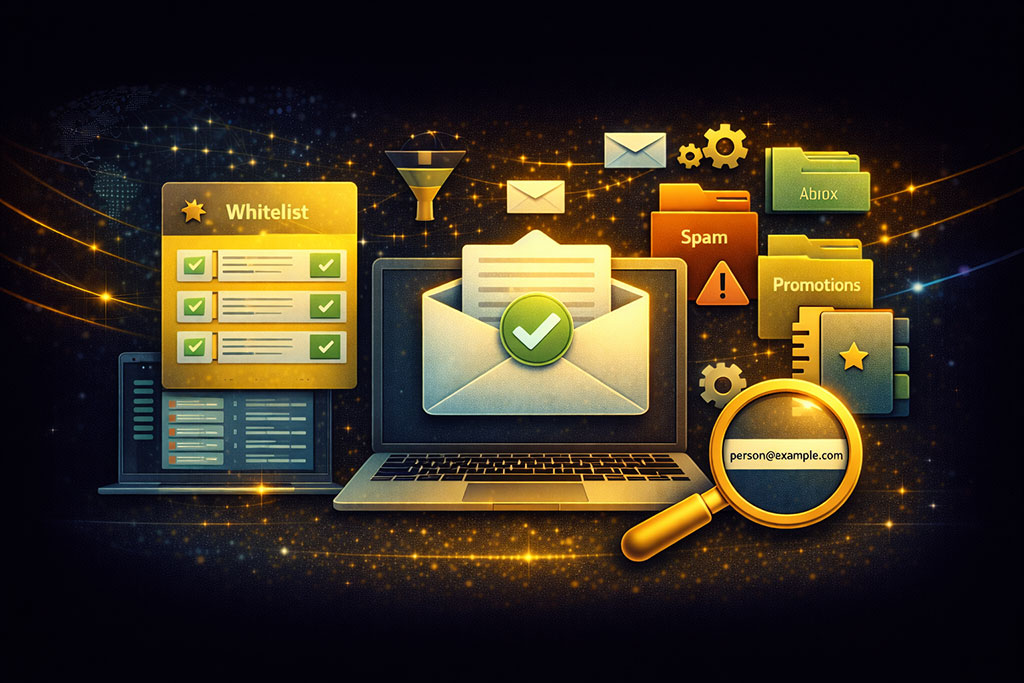
Asking subscribers to whitelist your email address is a delicate task that requires thoughtful communication. You want to ensure that your request is clear and compelling without coming across as overly demanding. One effective approach is to incorporate the whitelisting request into your welcome email or initial communication with new subscribers.
This way, you set the tone for future interactions right from the start. In addition to the welcome email, consider including reminders in subsequent communications. A gentle nudge can go a long way in reinforcing the importance of whitelisting.
You might say something like, “To ensure you never miss our updates, please add us to your trusted senders list.” This approach not only reminds subscribers of the action you want them to take but also emphasizes the value they will receive by doing so.
Crafting an Effective Whitelisting Request Email
When crafting a whitelisting request email, clarity and conciseness are key. Start by clearly stating the purpose of your email and why whitelisting is important for both parties. You might begin with a friendly greeting and then explain how whitelisting will help ensure that they receive valuable content without interruption.
Additionally, consider personalizing the message to make it more engaging. Use the subscriber’s name and reference any previous interactions or interests they may have expressed. This personal touch can make your request feel more genuine and less like a generic plea for attention.
Remember to keep the tone friendly and approachable; after all, you want subscribers to feel good about taking this action.
Providing Clear Instructions for Whitelisting
| Metric | Description | Recommended Value | Impact on Whitelisting |
|---|---|---|---|
| Open Rate | Percentage of subscribers who open your email | 20% – 30% or higher | Higher open rates indicate better inbox placement and engagement |
| Click-Through Rate (CTR) | Percentage of subscribers who click links in your email | 2% – 5% or higher | Shows subscriber interest and helps maintain whitelist status |
| Spam Complaint Rate | Percentage of recipients marking your email as spam | Less than 0.1% | Low complaint rates improve sender reputation and whitelisting |
| Bounce Rate | Percentage of emails not delivered to recipients | Less than 2% | Maintaining low bounce rates helps keep your IP/domain trusted |
| Subscriber Whitelisting Rate | Percentage of subscribers who add you to their contacts or safe sender list | Aim for 30% or higher | Directly improves inbox placement and reduces spam filtering |
| Unsubscribe Rate | Percentage of subscribers who opt out from your emails | Less than 0.5% | Lower unsubscribe rates indicate relevant content and better engagement |
Once you’ve made your request, it’s essential to provide clear and straightforward instructions on how subscribers can whitelist your email address. Different email providers have varying processes for whitelisting, so it’s beneficial to include specific steps tailored to popular platforms like Gmail, Yahoo, and Outlook. For instance, you might say, “To whitelist us in Gmail, simply open one of our emails, click on the three dots in the top right corner, and select ‘Add [Your Email] to Contacts List.‘” By breaking down the process into easy-to-follow steps, you reduce any potential confusion and make it more likely that subscribers will take action.
Visual aids, such as screenshots or short videos, can also enhance understanding and engagement.
Using Incentives to Encourage Whitelisting
Incentives can be a powerful tool in encouraging subscribers to whitelist your email address. Consider offering exclusive content or special discounts as a reward for taking this action. For example, you might say, “Whitelist us today and receive a 10% discount on your next purchase!” This not only motivates subscribers to take action but also reinforces the value of being part of your community.
Another effective strategy is to create a sense of urgency around the incentive. Limited-time offers can prompt immediate action from subscribers who may be on the fence about whitelisting. By framing the incentive as a time-sensitive opportunity, you can increase engagement and drive more subscribers to take the desired action.
Educating Subscribers on the Importance of Whitelisting
Education plays a vital role in helping subscribers understand why whitelisting is necessary. Many individuals may not be aware of how spam filters work or why their emails end up in junk folders. By providing educational content about these topics, you empower your subscribers with knowledge that can enhance their overall experience with your brand.
Consider creating blog posts or informational graphics that explain the benefits of whitelisting in simple terms. You might include statistics about email deliverability rates or share testimonials from other subscribers who have benefited from whitelisting. By framing this information in an engaging way, you can foster a deeper understanding of the importance of whitelisting while reinforcing your brand’s commitment to transparency and communication.
Monitoring Whitelisting Requests and Engagement
Monitoring whitelisting requests and subscriber engagement is essential for assessing the effectiveness of your strategies. Utilize analytics tools to track open rates, click-through rates, and overall engagement levels among those who have whitelisted your email address versus those who have not. This data can provide valuable insights into how well your whitelisting efforts are resonating with your audience.
Additionally, consider conducting surveys or feedback forms to gather direct input from subscribers about their experiences with whitelisting. This feedback can help you refine your approach and identify any areas for improvement. By actively monitoring these metrics and listening to subscriber feedback, you can continuously enhance your communication strategies and foster stronger relationships with your audience.
Addressing Common Concerns and Questions About Whitelisting
Subscribers may have concerns or questions about whitelisting that could prevent them from taking action. It’s essential to address these common issues proactively in your communications. For instance, some subscribers may worry about receiving too many emails or irrelevant content after whitelisting you.
Reassure them by emphasizing that you value their time and will only send relevant information that aligns with their interests. Another common concern is privacy and security. Subscribers may hesitate to whitelist an email address due to fears about spam or phishing attempts.
To alleviate these concerns, provide clear information about how you protect their data and maintain their privacy.
Transparency about your practices can build trust and encourage subscribers to feel more comfortable with whitelisting.
Maintaining a Positive Relationship with Subscribers
Maintaining a positive relationship with your subscribers is crucial for long-term success in email marketing. Regularly engage with them through valuable content that meets their needs and interests. Show appreciation for their support by acknowledging their actions—whether it’s whitelisting your email or engaging with your content.
Additionally, consider segmenting your audience based on their preferences or behaviors. This allows you to tailor your communications further and provide personalized experiences that resonate with each subscriber. By fostering a sense of community and connection, you can strengthen relationships over time and encourage ongoing engagement.
Leveraging Whitelisting to Improve Email Deliverability and Engagement
Ultimately, leveraging whitelisting is about enhancing both email deliverability and subscriber engagement. When more subscribers whitelist your email address, it signals to email service providers that your content is valuable and trustworthy. This can lead to improved deliverability rates across the board, ensuring that more of your emails reach their intended recipients.
Moreover, as engagement levels rise due to increased visibility in inboxes, you’ll likely see a positive impact on key performance metrics such as open rates and conversions. By prioritizing whitelisting in your email marketing strategy, you’re not just improving deliverability; you’re also creating a more engaged audience that values what you have to offer. In conclusion, understanding whitelisting and its importance is essential for anyone looking to enhance their email marketing efforts.
By effectively communicating with subscribers about the benefits of whitelisting, providing clear instructions, addressing concerns, and maintaining positive relationships, you can create a thriving email community that drives engagement and success for your brand.
In addition to understanding the importance of whitelisting, you may find it beneficial to explore how to enhance your email marketing strategy further. A related article, What is Email Drip Marketing? A Complete Guide, provides insights into creating effective email campaigns that can engage your subscribers and improve your overall communication strategy.
FAQs
What is whitelisting in email marketing?
Whitelisting in email marketing refers to the process where subscribers add a sender’s email address to their contacts or safe sender list. This helps ensure that emails from that sender are delivered directly to the inbox rather than the spam or junk folder.
Why is it important to ask subscribers to whitelist your email address?
Asking subscribers to whitelist your email address improves email deliverability, increases open rates, and reduces the chances of your emails being marked as spam. It helps maintain a positive sender reputation and ensures your messages reach your audience effectively.
How can I ask subscribers to add me to their contacts?
You can request subscribers to add you to their contacts by including clear instructions in your welcome emails, using call-to-action buttons, or providing step-by-step guides tailored to popular email clients. Friendly reminders and explanations about the benefits of whitelisting also encourage subscribers to take action.
Which email clients should I consider when providing whitelisting instructions?
Common email clients to consider include Gmail, Outlook, Apple Mail, Yahoo Mail, and mobile email apps. Each may have different methods for adding contacts or marking emails as safe, so providing specific instructions for these platforms can be helpful.
Can whitelisting guarantee that all emails will land in the inbox?
While whitelisting significantly improves the chances of emails reaching the inbox, it does not guarantee 100% inbox placement. Other factors like sender reputation, email content, and recipient engagement also influence deliverability.
Is whitelisting the same as subscribing to a mailing list?
No, whitelisting is different from subscribing. Subscribing means opting in to receive emails, while whitelisting involves the subscriber adding the sender’s email address to their contacts or safe sender list to prevent emails from being filtered as spam.
When should I ask subscribers to whitelist my email address?
The best time to ask subscribers to whitelist your email is immediately after they sign up, typically in the welcome or confirmation email. Early requests increase the likelihood that your emails will be delivered to their inbox from the start.
Are there any tools or services that help with whitelisting?
While there are no tools that can whitelist emails on behalf of subscribers, some email marketing platforms provide templates and guidance to help you create effective whitelisting requests. Additionally, monitoring deliverability metrics can help you identify if whitelisting efforts are needed.