
You are an architect, and your customers are the sprawling city you aim to build. Not a temporary encampment, but a vibrant metropolis designed for enduring prosperity. In this landscape, email marketing is not merely a communication channel; it is the infrastructure, the intricate network of roads and utilities that connect every district and dwelling. It underpins the long-term relationships that transform fleeting transactions into sustained partnerships. This article will guide you through the principles and practices of leveraging email marketing to cultivate these invaluable connections, moving beyond fleeting interactions to foster loyalty and advocacy.
Before you lay a single brick of your email marketing strategy, you must grasp the bedrock principles that underpin any lasting connection. Think of it as understanding the geological strata before constructing a skyscraper. Without this fundamental comprehension, your efforts will be akin to building on shifting sands.
The Value Proposition of Loyalty
Loyalty, for a customer, is not a philanthropic endeavor. It is a calculated decision rooted in perceived value. You are not asking them to merely like your product or service; you are inviting them to depend on it, to integrate it into their routine as a reliable fixture. This enduring reliance is the ultimate objective. For a customer to remain loyal, they must consistently perceive that your offering delivers superior utility, experience, or emotional satisfaction compared to alternatives. Your email marketing, therefore, must consistently reinforce and elevate this perceived value. It is the ongoing dialogue that reminds them why they chose you in the first place and why they should continue to do so.
Reciprocity: The Give-and-Take Dynamic
Human relationships, whether personal or professional, thrive on reciprocity. This is not a transactional quid pro quo, but a deeper understanding that both parties contribute and derive benefit. In the context of customer relationships, you must consistently “give” before you can expect to “receive” in the form of continued business or referrals. Your email marketing should reflect this principle. Are you solely bombarding them with sales pitches, or are you offering genuine value? Are you providing insights, solutions, entertainment, or exclusive opportunities before you ask for their wallet? This give-and-take dynamic builds trust, an essential component of any long-term bond. Without it, your relationship becomes a one-way street, destined to dead-end.
Trust as the Cornerstone
Trust is the bedrock of all enduring relationships. Without it, the entire edifice is precarious. In the digital realm, where anonymity can breed skepticism, establishing and maintaining trust is paramount. Your email communications are a primary conduit for this trust-building. Every email you send, every promise you make (explicit or implicit), contributes to or detracts from this trust reservoir. Be transparent, consistent, and reliable. Avoid clickbait subject lines that don’t deliver, misleading offers, or infrequent, impersonal communications. Think of trust as a delicate glass sculpture; easily shattered, difficult to repair. Your email marketing must be a testament to your integrity.
Crafting Your Email Marketing Architecture for Retention
Now that you understand the foundational principles, it is time to consider the structural elements of your email marketing. This is where you move from theory to practical application, designing the framework that will support your long-term relationship goals.
Segmentation: Dividing and Conquering
You would not offer a single type of housing to an entire city, nor would you send identical messages to every person on your email list. Segmentation is the process of dividing your audience into smaller, more homogeneous groups based on shared characteristics or behaviors. This allows you to tailor your messaging, making each communication more relevant and resonant. It makes your communications feel less like a mass broadcast and more like a personalized conversation. Imagine sending an email advertising snow boots to someone living in a tropical climate; it’s not just ineffective, it’s an alienating experience.
Demographic Segmentation
This involves categorizing your audience based on attributes such as age, gender, location, income, or job title. For example, a fashion brand might segment by gender to showcase relevant clothing lines. A software company might segment by industry to highlight specific use cases.
Behavioral Segmentation
This is often more powerful for relationship building as it focuses on how customers interact with your brand. Key behavioral segments include:
- Purchase History: Customers who have purchased specific products might receive recommendations for complementary items or accessories.
- Website Activity: Those who have browsed certain product categories but not purchased could receive targeted information or special offers related to those items.
- Email Engagement: Subscribers who consistently open and click your emails might receive more in-depth content or early access to promotions, while less engaged subscribers might receive re-engagement campaigns.
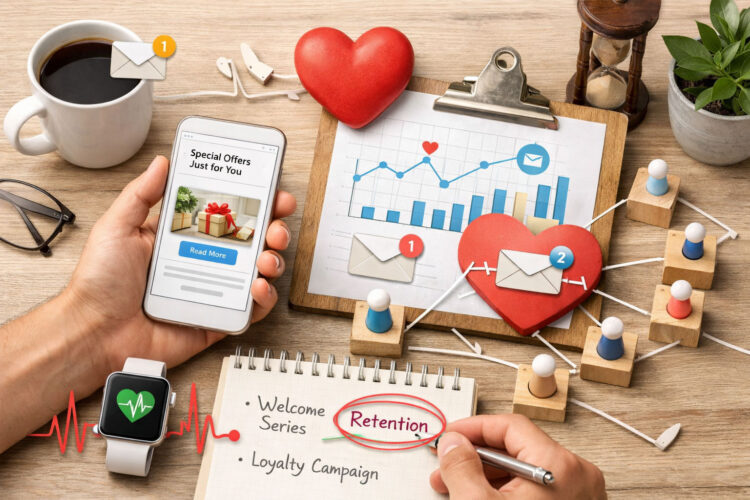
- Customer Lifecycle Stage: New subscribers receive welcome sequences, active customers receive loyalty programs, and lapsed customers receive win-back campaigns.
Psychographic Segmentation
This delves into the psychological attributes of your customers, such as their values, interests, lifestyles, and opinions. While often more challenging to capture, this type of segmentation allows for deeply nuanced and emotionally resonant messaging. For instance, an eco-friendly brand might segment by customers who value sustainability, sending them content about their sourcing practices or environmental initiatives.
Personalization: The Key to Intimacy at Scale
Once you have segmented your audience, personalization is the act of customizing your email content for individual recipients. It transforms a generic message into a direct address, fostering a sense of individual recognition and importance. Think of it as knowing the names and preferences of the residents in your city, rather than just knowing where they live.
Dynamic Content
Dynamic content allows you to insert specific blocks of text, images, or even entire sections of an email based on subscriber data. This could include their name, company, past purchases, or geographical location. An online bookstore, for example, might dynamically insert book recommendations based on a customer’s previous purchases, creating a highly relevant and engaging experience.
Predictive Personalization
Leveraging data and algorithms, predictive personalization anticipates customer needs and preferences. This might involve recommending products they are likely to purchase next, suggesting content based on their browsing history, or even optimizing send times based on their historical engagement patterns. This advanced form of personalization often requires sophisticated marketing automation platforms.
Beyond the Name: Deeper Personalization
Personalization extends beyond merely using a customer’s first name. It encompasses acknowledging their past interactions, celebrating their milestones (e.g., anniversary of becoming a customer), or providing exclusive content tailored to their expressed interests. A personalized email feels like a conversation, not a broadcast. It demonstrates that you understand their unique needs and value them as an individual, not just a data point.
Automation: Building the Invisible Scaffolding
Email marketing automation is the deployment of pre-designed email sequences that trigger based on specific customer actions or events. It is the automated yet personalized interaction that keeps your customer relationships nurtured without requiring constant manual intervention. Think of it as the smart home system that anticipates your needs and manages your environment seamlessly.
Welcome Sequences
When a new subscriber joins your list, a meticulously crafted welcome sequence is your first opportunity to make a lasting impression. This is akin to providing a newcomer to your city with a comprehensive welcome packet and a guided tour.
- Immediate Confirmation: Acknowledge their subscription and thank them.
- Value Proposition Reinforcement: Remind them of the benefits of being on your list.
- Setting Expectations: Inform them of the type of content they can expect and how often.
- Brand Introduction: Share your brand story, values, or unique selling propositions.
- Call to Action: Guide them to explore your website, social media, or a specific resource.
Onboarding Sequences
For new customers, an onboarding sequence guides them through the initial stages of using your product or service. This is like providing detailed instructions and support to citizens as they settle into their new homes.
- Product Tutorial: Step-by-step guides or video demonstrations on how to get started.
- Tips and Tricks: Highlighting features or uses they might not discover immediately.
- FAQ Integration: Answering common questions to preempt support inquiries.
- Success Stories: Showcasing how others have benefited from your offering.
- Direct Support Access: Making it easy for them to contact customer service if needed.
Re-engagement Campaigns
Customers, like residents, can sometimes become disengaged. Re-engagement campaigns are designed to reconnect with inactive subscribers or customers and remind them of the value you offer. This is like reaching out to a long-lost friend with a thoughtful message.
- “We Miss You” Messages: A gentle reminder of your presence and offerings.
- Exclusive Offers: Incentives to encourage a return to your brand.
- Feedback Requests: Asking why they became disengaged to gather insights.
- Value Reinforcement: Highlighting new features, content, or benefits they might have missed.
Loyalty and Nurturing Campaigns
These sequences are designed to continuously engage and reward your most valuable customers, transforming them into advocates. This is fostering community spirit and recognizing your most dedicated citizens.
- Birthday/Anniversary Emails: Personalized greetings celebrating their milestones with you.
- Exclusive Content/Offers: Providing special access or discounts for loyal customers.
- Referral Program Invitations: Encouraging them to spread the word about your brand.
- Early Access to New Products/Features: Making them feel valued and part of an inner circle.
- Collect Feedback: Soliciting their opinions and demonstrating that their voice matters.
Measuring the Pulse of Your Relationships
Just as you wouldn’t build a city without surveying the land and monitoring its infrastructure, you cannot nurture long-term customer relationships without consistently measuring the effectiveness of your email marketing efforts. Data is your compass and your barometer.
Key Performance Indicators (KPIs) Beyond Opens and Clicks
While open rates and click-through rates are important for initial engagement, they are merely surface-level indicators. For long-term relationship building, you need to delve deeper.
Conversion Rate
This measures the percentage of recipients who complete a desired action after clicking through your email, whether it’s a purchase, a download, or a form submission. This is the ultimate indicator of whether your emails are driving tangible business outcomes.
Customer Lifetime Value (CLTV)
CLTV represents the total revenue a customer is expected to generate throughout their relationship with your company. Email marketing, when executed effectively, should demonstrably increase CLTV by encouraging repeat purchases, larger purchases, and sustained engagement.
Retention Rate
This measures the percentage of customers who remain active over a specific period. A high retention rate signifies successful relationship building, as loyal customers are less likely to defect to competitors.
Churn Rate
The inverse of retention rate, churn rate measures the percentage of customers who cease to do business with you. Your email marketing efforts, particularly re-engagement campaigns, should aim to reduce churn.
Return on Investment (ROI)
Ultimately, you need to understand the financial impact of your email marketing. By tracking the revenue generated directly from email campaigns against the costs involved, you can determine its overall profitability and justify continued investment.
A/B Testing: Iterative Refinement
A/B testing (also known as split testing) is the systematic process of comparing two versions of an email (A and B) to determine which performs better. This continuous experimentation is crucial for optimizing your email marketing and ensuring it remains effective over time. Think of it as regularly testing different architectural designs or building materials to see which produces the most resilient and aesthetically pleasing results.
Subject Lines
Test different wordings, emojis, personalization, and urgency to see what entices recipients to open your emails.
Call to Actions (CTAs)
Experiment with different button colors, text, placement, and levels of urgency to see what drives the highest click-through rates.
Email Content and Layout
Vary your email length, image use, paragraph structure, and overall design to see what resonates best with your audience.
Send Times and Days
Analyze when your audience is most receptive to your emails. Experiment with different days of the week and times of day to optimize open and click rates.
Personalization Strategies
Test different levels and types of personalization to determine what makes your audience feel most connected and engaged.
By consistently monitoring these metrics and actively A/B testing your approaches, you ensure that your email marketing strategy is not a static blueprint but a dynamic, evolving infrastructure perfectly adapted to the needs of your growing customer city. You are building not just email lists, but enduring communities, testament to the power of thoughtful, strategic communication.
FAQs

What is the role of email marketing in building long-term customer relationships?
Email marketing helps maintain ongoing communication with customers by delivering personalized content, updates, and offers that keep the brand top-of-mind and foster loyalty over time.
How does personalization in email marketing enhance customer relationships?
Personalization tailors email content to individual customer preferences and behaviors, making messages more relevant and engaging, which strengthens trust and encourages repeat interactions.
What types of email content are effective for nurturing long-term customer relationships?
Effective content includes newsletters, product updates, exclusive offers, educational materials, and personalized recommendations that provide value and encourage continued engagement.
How frequently should businesses send marketing emails to support long-term relationships?
The optimal frequency varies by audience but generally involves consistent, non-intrusive communication—often weekly or monthly—to maintain engagement without overwhelming recipients.
Can email marketing help in customer retention and loyalty?
Yes, by consistently delivering valuable and relevant content, email marketing can increase customer satisfaction, encourage repeat purchases, and build brand loyalty over time.