
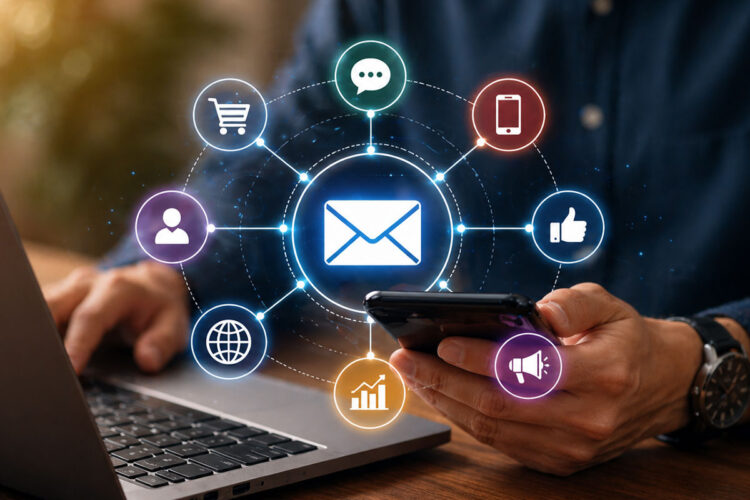
In today’s marketing landscape, you’re not just aiming for a single touchpoint anymore. You’re striving for an experience. An integrated, seamless journey for your customer, no matter where they encounter your brand. That’s the promise of omnichannel marketing. But with so many channels clamoring for attention – social media, SMS, push notifications, in-app messages, and of course, good ol’ email – it’s easy to feel overwhelmed. You might be wondering where to even begin, or how to make sure all these different pieces actually work together.
The truth is, while the omnichannel dream is about everywhere, everywhen, it often thrives on a strong, central nervous system. And for many businesses, that core, that anchor, is still email. Don’t let the rise of newer, flashier channels fool you. Email remains a powerful, versatile, and incredibly effective tool when wielded strategically within an omnichannel framework. It’s your direct line, your personalized communicator, and your data-rich hub. When you craft your omnichannel campaigns with email at their heart, you gain control, foster deeper connections, and ultimately, drive better results.
Understanding the Omnichannel Imperative: Why Everything Needs to Flow
You’ve heard the buzzwords: multichannel, cross-channel, omnichannel. While they sound similar, they represent different levels of integration. Multichannel is about being present on multiple platforms. Cross-channel is about allowing customers to move between channels. Omnichannel, however, is about creating a unified and consistent customer experience across all channels, with the customer at the center of every interaction.
The Customer’s Perspective: A Seamless Journey is Expected
Imagine your customer. They see an ad on Instagram, click through to your website, browse a few products, then get an email reminder about items left in their cart. Later, they might receive a personalized SMS about a flash sale related to those items. This isn’t a disjointed series of events; in a well-executed omnichannel strategy, this is a fluid, connected narrative. They expect their interactions with you to be consistent. If they have a question on Twitter, they expect the same level of knowledge and helpfulness from your customer service team via email or phone. They don’t want to repeat themselves or feel like they’re starting over with each new touchpoint.
The Business Advantage: Data, Personalization, and Efficiency
From your perspective, an omnichannel approach isn’t just about customer satisfaction; it’s about unlocking significant business advantages. By integrating your channels, you gain a 360-degree view of your customer. This rich data allows for unprecedented levels of personalization, making every interaction more relevant and impactful. It also leads to greater efficiency. When your channels are talking to each other, you reduce redundant efforts, streamline your messaging, and ensure that your marketing spend is optimized.
The Role of Email: The Foundation of Your Integrated Strategy
So, where does email fit into this grand vision? It’s not just another channel to add to the mix; it’s often the foundational element that connects the others. Think of it as the central hub for information, personalization, and engagement.
Email as the Central Hub for Customer Data
Your email marketing platform is likely already a treasure trove of customer data. Purchase history, browsing behavior, preferences, engagement metrics – all of this can be integrated into your omnichannel strategy. This data fuels the personalization you can deliver across all your other channels.
Email for Deep, Personal Communication
While social media and SMS are great for quick updates and promotions, email allows you to delve deeper. You can share more detailed product information, tell your brand story, offer exclusive content, and build a more personal relationship with your subscribers.
Email as the Translator Between Channels
Imagine someone clicks a link in your Instagram ad. That click can trigger an email. If they abandon their cart, an email can follow. If they make a purchase, a confirmation email is expected, and this can then trigger follow-up emails with related product suggestions or onboarding guides. Email acts as the bridge, translating actions and intentions across different platforms.
Harnessing Email’s Power: Strategies for Core Omnichannel Integration
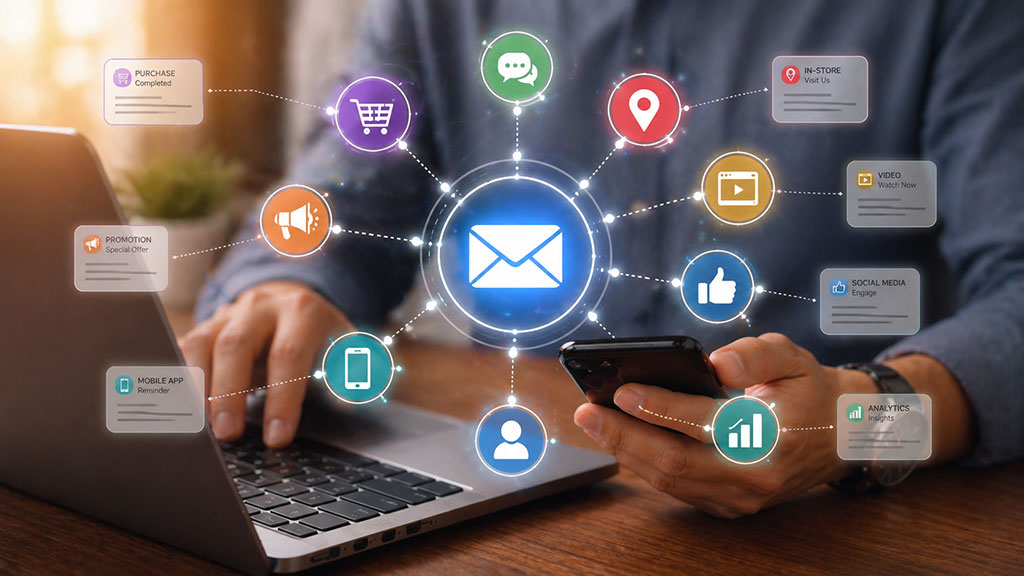
Now that you understand why email should be your core, let’s talk about how you actually make it happen. It’s not about sending more emails; it’s about sending the right emails, at the right time, and ensuring they seamlessly integrate with everything else you’re doing.
Establishing a Unified Customer Profile: The Single Source of Truth
The bedrock of any effective omnichannel strategy is a unified customer profile. This means consolidating data from all your touchpoints into a single, accessible location. Your email platform’s CRM integration is crucial here.
Integrating Data Sources: Beyond Your Email List
Your email platform should be connected to your CRM, your e-commerce platform, your website analytics, your social media interactions, and any other customer touchpoints. This allows you to build a comprehensive view of each individual customer.
Segmenting for Hyper-Personalization: The Key to Relevance
Once you have this consolidated data, you can create highly specific customer segments. This goes far beyond basic demographics. You can segment by purchase history, browsing behavior, engagement level, lifetime value, preferred channels, and even their current stage in the customer journey.
Leveraging Behavioral Triggers: Real-Time Responsiveness
This integrated data allows you to set up automated email workflows triggered by specific customer behaviors. Did someone just view a product on your website three times? An email showing that product with a relevant offer can be automatically sent. Did they just make their first purchase? A welcome series tailored to new customers can commence.
Crafting Integrated Campaigns: Connecting the Dots for the Customer
With your unified customer profile and a clear understanding of your customer’s journey, you can start to design campaigns where email plays a central, coordinating role.
The Welcome Series: Setting the Stage for an Omnichannel Relationship
Your welcome series is your first, and arguably most important, opportunity to introduce your brand and set expectations for future communication. This series can be designed to onboard new subscribers onto your omnichannel journey.
Onboarding Via Email: Introducing Other Channels
Within your welcome emails, you can subtly encourage subscribers to follow you on social media, download your app, or sign up for SMS alerts. For example, “Join our vibrant community on Instagram for behind-the-scenes content!” or “Never miss a deal – sign up for SMS alerts for flash sales!”
Segmented Welcome Journeys
Based on how a subscriber joins your list (e.g., via a product download vs. a newsletter signup), you can tailor their welcome series to be more relevant. Someone interested in a specific product can receive emails focused on that product’s benefits and use cases, while also being encouraged to explore related content on your blog or social channels.
Abandoned Cart Recovery: A Classic, Yet Powerful, Omnichannel Tactic
Abandoned cart emails are a prime example of email acting as a powerful recovery tool in an omnichannel strategy.
Multi-Touchpoint Recovery Sequences
Don’t stop at one email. Implement a series of emails, each with a slightly different approach. The first might be a simple reminder, the second a nudge with a potential discount, and the third a last chance offer.
Integrating Social and Display Ads
If someone abandons their cart, you can also leverage this data to trigger retargeting ads on social media or display networks. The email serves as the direct communication, while the ads reinforce the message across other platforms, increasing the likelihood of conversion.
Post-Purchase Engagement: Building Loyalty Beyond the Sale
Your relationship with a customer doesn’t end after the purchase. Email can be instrumental in fostering loyalty and encouraging repeat business.
Personalized Product Recommendations
Based on what they just bought, your email can suggest complementary products or accessories. This can also be cross-referenced with their browsing history to ensure maximum relevance.
Proactive Customer Support and Education
Your post-purchase emails can include helpful tips, tutorials, or links to FAQs related to their purchase. This proactive approach reduces customer service inquiries and enhances their overall satisfaction. You can also use these emails to encourage reviews or social sharing.
Measuring and Optimizing Your Omnichannel Efforts: The Data Tells the Story
The beauty of an integrated strategy is that you can measure its success holistically. Email, with its rich tracking capabilities, is vital for this.
Email as a Performance Indicator
Your email engagement metrics – open rates, click-through rates, conversion rates – can serve as a key indicator of the overall health of your omnichannel campaigns. If your emails are performing well, it suggests your other integrated efforts are resonating.
Attribution Modeling: Understanding Channel Impact
Once you have data flowing between channels, you can implement attribution models to understand which touchpoints are contributing most to conversions. This might reveal that an initial email lead to social media engagement, which then ultimately resulted in a purchase.
A/B Testing Across Channels
Don’t just A/B test your email subject lines. Test different messaging, offers, and calls to action across your email campaigns and see how they impact engagement on other channels as well. This continuous optimization is what drives long-term success.
Leveraging Email Features for Omnichannel Success
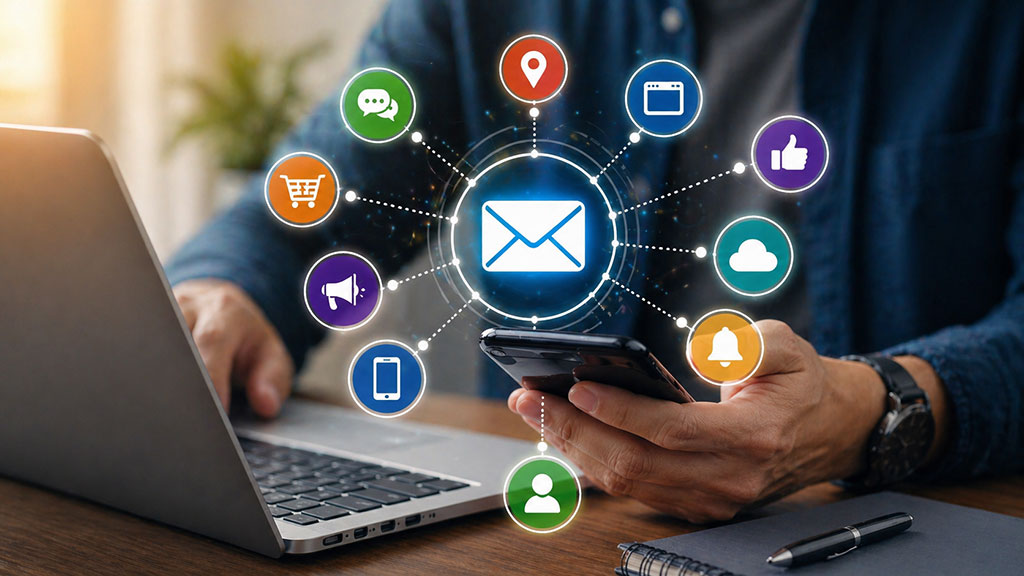
Your email marketing platform isn’t just for sending newsletters. It’s packed with features that can be the engine of your omnichannel campaigns.
Automation: The Backbone of Seamless Journeys
You’ve heard it before, but it bears repeating: automation is your best friend. It allows you to deliver personalized experiences at scale, freeing up your team to focus on strategy and creativity.
Triggered Email Workflows
As discussed, these are emails sent in response to specific customer actions. Think welcome series, abandoned carts, post-purchase follow-ups, birthday emails, and re-engagement campaigns.
Drip Campaigns for Nurturing Leads
For leads who aren’t ready to buy immediately, drip campaigns can nurture them over time with valuable content, building trust and brand awareness. Each email can incorporate elements that encourage them to engage on other platforms.
Conditional Logic for Dynamic Content
Within your automated emails, you can use conditional logic to display different content blocks based on subscriber data. This allows for incredible personalization within a single email template.
Personalization: Moving Beyond “Dear [First Name]”
True personalization goes far beyond simply inserting a name. It’s about understanding your customer and tailoring your message to their individual needs and preferences.
Dynamic Content Blocks
These are sections within an email that can change based on subscriber data. For example, a customer who has previously purchased athletic wear might see a block featuring your latest activewear collection, while another who buys casual clothing sees a different selection.
Personalized Product Recommendations
Leveraging purchase history and browsing data, you can insert personalized product recommendations directly into your emails. Think of it as having a personal shopper for each of your subscribers.
Geotargeting and Location-Based Offers
If you have physical stores, you can use geotargeting to send emails with offers relevant to a subscriber’s local area or even their current location. This bridges the gap between online and offline experiences.
Segmentation and List Management: The Art of Audience Targeting
A well-organized and segmented email list is the foundation of effective communication.
Advanced Segmentation Capabilities
Utilize your platform’s ability to segment based on a multitude of criteria: purchase history, website activity, email engagement, demographics, interests, and more.
Dynamic Segmentation for Real-Time Relevance
Instead of static lists, create dynamic segments that update automatically as subscriber data changes. This ensures your messaging is always relevant.
Suppression Lists and List Hygiene
Maintaining a clean and engaged list is crucial for deliverability and engagement. Regularly remove unengaged subscribers and utilize suppression lists to avoid sending unwanted communications.
Measuring Success: How Email Performance Guides Your Omnichannel Strategy
| Metrics | Value |
|---|---|
| Open Rate | 25% |
| Click-through Rate | 10% |
| Conversion Rate | 5% |
| Engagement Rate | 15% |
You’re invested in making email the core of your omnichannel strategy, but how do you know if it’s working? Your email analytics are your compass.
Key Performance Indicators (KPIs) for Email in an Omnichannel Context
While traditional email metrics are still important, we need to look at them through an omnichannel lens.
Open Rates and Click-Through Rates (CTRs): Initial Engagement Indicators
These metrics tell you how well your subject lines and preheaders are performing in grabbing attention and how compelling your email content is at encouraging further interaction. In an omnichannel context, a high CTR on an email might signify that the customer is interested in a particular product or offer, and this can then inform your retargeting efforts on social media.
Conversion Rates: The Ultimate Goal
This is where the real magic happens. How many people who clicked through from your email actually completed a desired action (e.g., made a purchase, signed up for a webinar, downloaded a resource)? Your email platform’s integration with your website analytics is critical here for accurate conversion tracking.
Revenue Per Email (RPE): Direct Financial Impact
This KPI measures the average revenue generated from each email sent. By tracking RPE, you can directly assess the financial contribution of your email campaigns to your overall sales, especially when considering the uplift from integrated omnichannel efforts.
Unsubscribe Rates and Bounce Rates: Health of Your List
High unsubscribe rates can indicate irrelevant content or over-communication. High bounce rates can signify poor list hygiene. Both impact your ability to reach your audience effectively.
Connecting Email Metrics to Other Channel Performance
The true power of using email as your core comes from connecting its performance to the performance of other channels.
Attribution Modeling: Understanding the Customer Journey
Advanced attribution models allow you to assign credit to different touchpoints in the customer journey. You can see how many conversions were influenced by an initial email, even if the final purchase happened through a different channel.
Cross-Channel Engagement Analysis
If your email encourages users to visit your social media pages, track how that subsequent engagement impacts their overall journey and conversion rates. Conversely, if a social media ad drives someone to your website and they then sign up for your email list, you can track how they respond to your email communications.
Impact on Customer Lifetime Value (CLV)
Are customers acquired through email-driven omnichannel campaigns more valuable over their lifetime? By tracking CLV for different acquisition channels, you can demonstrate the long-term ROI of your email-centric approach.
Iterative Optimization: A Continuous Cycle of Improvement
Omnichannel marketing is not a set-it-and-forget-it endeavor. It requires continuous monitoring, analysis, and adjustment.
A/B Testing Beyond the Subject Line
Experiment with different email content, calls to action, send times, and even the channels you promote within your emails. Track how these variations impact engagement on other platforms.
Leveraging Customer Feedback
Pay attention to replies to your emails, comments on your social media, and customer service inquiries. This qualitative feedback can provide invaluable insights for refining your messaging and your omnichannel strategy.
Adapting to Evolving Customer Behavior
Customer expectations and channel popularity are constantly shifting. Regularly review your data and be prepared to adapt your omnichannel strategy to meet these changes, always keeping email at the heart of your communication.
Overcoming Challenges: Ensuring Email Remains Your Strongest Link
While email is a powerful core, there can be hurdles to overcome when integrating it into a broader omnichannel strategy. Addressing these proactively will ensure its continued effectiveness.
Preventing Channel Conflict and Inconsistent Messaging
The most common pitfall of omnichannel marketing is sending conflicting messages or overwhelming the customer with too many communications from different channels.
Strict Cadence Management
Implement a clear content calendar and communication cadence across all channels. Ensure that your email sends are timed strategically and don’t overlap with other critical communications. Avoid sending a promotional email the same day a customer receives an SMS about the same offer.
Unified Brand Voice and Messaging Guidelines
Develop clear brand voice and messaging guidelines that are applied consistently across all touchpoints. Your email copy should sound like your social media posts, and your website content should align with your email narratives.
Preference Centers for Granular Control
Empower your subscribers to manage their communication preferences. Allow them to opt-in or out of specific types of emails, select preferred communication channels, and set their desired frequency of contact. This puts the customer in control and reduces the likelihood of them feeling bombarded.
Addressing Data Silos and Integration Issues
The success of your email-centric omnichannel strategy relies on the seamless flow of data between your various platforms.
Investing in a Robust Marketing Automation Platform
Choose a platform that offers strong API integrations and allows for easy data synchronization with your CRM, e-commerce system, and other essential tools.
Establishing Clear Data Governance Policies
Define who owns the customer data, how it will be collected, stored, and used, and ensure compliance with privacy regulations like GDPR and CCPA. This ensures data integrity and builds customer trust.
Regular Audits and Data Cleansing
Periodically audit your data integrations to ensure they are functioning correctly and that data is flowing accurately. Implement regular data cleansing processes to maintain the quality of your customer profiles.
Maintaining Engagement in a Crowded Inbox
The competition for attention in a customer’s inbox is fierce. Your email strategy needs to be sophisticated to stand out.
Mastering Subject Line Crafting and Personalization
Invest time in developing compelling subject lines that are both informative and enticing. Utilize personalization and segmentation to make your emails feel relevant to each recipient.
Focusing on Value-Driven Content
Your emails should offer more than just promotional material. Provide valuable content such as tips, guides, industry insights, exclusive offers, or behind-the-scenes glimpses of your brand.
Optimizing for Mobile Responsiveness
A significant portion of emails are opened on mobile devices. Ensure that all your emails are fully responsive and display correctly on any screen size.
In conclusion, when you approach your omnichannel campaigns with email as the deliberate core, you’re not just adding another channel to your marketing mix. You’re building a robust, integrated system that leverages email’s unique strengths to drive deeper customer engagement, foster loyalty, and ultimately, achieve your business objectives. By understanding the interconnectedness of your channels and strategically using email as your central hub for data, personalization, and communication, you can create truly seamless experiences that set your brand apart. So go forth, and make email the beating heart of your successful omnichannel strategy.
FAQs
What is an omnichannel campaign?
An omnichannel campaign is a marketing strategy that integrates multiple channels, such as email, social media, SMS, and more, to create a seamless and cohesive experience for the customer across all touchpoints.
Why is email at the core of omnichannel campaigns?
Email is at the core of omnichannel campaigns because it is a highly effective and versatile communication channel that allows for personalized and targeted messaging. It also serves as a central hub for coordinating and integrating other channels within the campaign.
How can email be integrated with other channels in an omnichannel campaign?
Email can be integrated with other channels in an omnichannel campaign through strategies such as using consistent messaging and branding across all channels, leveraging customer data to personalize communications, and coordinating the timing and content of messages across different channels.
What are the benefits of building omnichannel campaigns with email at the core?
Building omnichannel campaigns with email at the core allows for a unified and cohesive customer experience, increased engagement and conversion rates, improved customer retention, and the ability to track and measure the effectiveness of the campaign across multiple channels.
What are some best practices for building omnichannel campaigns with email at the core?
Some best practices for building omnichannel campaigns with email at the core include understanding the customer journey, segmenting and targeting audiences effectively, testing and optimizing campaign elements, and leveraging automation and personalization to enhance the customer experience.