

You’ve built a solid SaaS product, invested in development, and perhaps even started to see some traction. Now, the critical question arises: how do you consistently acquire new customers and retain your existing ones to drive sustainable growth? One of the most reliable and cost-effective channels at your disposal is email marketing. This isn’t about sending a few newsletters; it’s about strategically leveraging email at every stage of the customer lifecycle.
Before you can effectively market via email, you need an audience to send to. Your email list is a valuable asset, and its quality directly impacts your marketing success.
Diversifying Lead Generation Strategies
Relying on a single method to acquire email addresses is a common pitfall. To build a robust list, you must employ multiple strategies:
- Website Lead Magnets: Offer valuable resources in exchange for an email address. This could include whitepapers, e-books, exclusive templates, how-to guides, or mini-courses related to your SaaS product’s functionality. For instance, if you offer project management software, a “Project Planning Checklist” or “Template Library for Agile Teams” can be highly effective. The key is to provide genuine utility that aligns with your ideal customer’s pain points. Ensure these lead magnets are easily accessible and promoted prominently on relevant pages of your website.
- Content Upgrades within Blog Posts: Enhance your blog content by offering a “content upgrade” – an additional, more detailed resource directly related to the blog post’s topic. For example, if your blog post discusses “5 Strategies for Improving Team Collaboration,” a content upgrade could be a “Detailed 30-Day Collaboration Challenge” document. This hyper-relevant offer typically yields higher conversion rates than generic sign-up forms.
- Interactive Tools and Quizzes: Develop simple, interactive tools or quizzes that gather user information. A “Discover Your Ideal CRM Integration” quiz for a sales automation SaaS, or a “Marketing Maturity Self-Assessment” for a marketing analytics platform, can be engaging ways to capture leads while providing immediate value.
- Webinars and Online Events: Host webinars or online workshops demonstrating your product or discussing industry-related topics. Registration for these events naturally requires an email address. Follow up with attendees and non-attendees alike, providing recordings and related resources to nurture those leads.
- Strategic Pop-ups and Slide-ins: Implement well-timed and non-intrusive pop-ups or slide-in forms on your website. Instead of generic “Subscribe to our Newsletter” messages, tailor your calls to action to specific page content. For example, a pop-up on a pricing page might offer a “Free Demo” or “Consultation,” while one on a blog post might promote a relevant lead magnet. Ensure these are not disruptive to the user experience and comply with current regulations.
Optimizing Opt-in Forms and User Experience
The design and placement of your opt-in forms significantly influence conversion rates.
- Clarity and Conciseness: Your forms should clearly state the value proposition of subscribing. What will subscribers receive? How often? Be concise and avoid jargon. People are more likely to share their information when they understand the exchange.
- Minimal Field Requirements: Only ask for essential information. Typically, an email address is sufficient for initial subscription. You can gather more data later through progressive profiling or follow-up surveys once trust has been established. Every extra field decreases completion rates.
- Strategic Placement: Place opt-in forms in high-visibility areas, such as above the fold, in sidebars, at the end of blog posts, and within the footer. Experiment with different placements to determine what resonates best with your audience.
- Compelling Call to Action (CTA): Move beyond generic CTAs like “Subscribe.” Use action-oriented language that highlights the benefit, such as “Get Your Free Template,” “Start Your Free Trial,” “Unlock Productivity Tips,” or “Join Our Growth Community.”
For those looking to delve deeper into effective SaaS growth strategies, an insightful article titled “Maximizing Customer Retention Through Email Campaigns” provides valuable techniques that complement the use of email marketing. This resource discusses how personalized email communications can enhance customer loyalty and retention, ultimately driving growth for SaaS businesses. You can read the article here: Maximizing Customer Retention Through Email Campaigns.
Nurturing Leads and Onboarding New Users
Once you have an email address, the true work begins. Email is indispensable for guiding leads through the sales funnel and ensuring new users find immediate value in your product.
Crafting Effective Drip Campaigns for Lead Nurturing
A drip campaign is a series of automated emails sent to subscribers based on predefined triggers or a set schedule. These campaigns are crucial for transforming leads into paying customers.
- Segmentation Based on Behavior and Interest: Don’t send the same nurturing emails to everyone. Segment your leads based on where they came from (e.g., lead magnet download, webinar attendee, free trial sign-up), their interaction with your website, or specific product interests. This allows for highly relevant messaging.
- Educational Content and Value Provision: Your nurturing emails should primarily educate your leads, not just sell. Provide information that helps them solve their problems, which your SaaS product happens to address. Share industry insights, use cases, tutorials, and success stories. Position your company as a trusted advisor.
- Product Feature Spotlights and Demonstrations: Gradually introduce specific features of your SaaS product. Instead of listing features, focus on the benefits they provide. Use short video demonstrations, screenshots, or detailed explanations of how a particular feature solves a common pain point.
- Addressing Common Objections and FAQs: Preemptively address common concerns or questions potential users might have about your product, pricing, or implementation. This builds trust and removes barriers to conversion. Create content that tackles these objections head-on.
- Case Studies and Social Proof: Share customer testimonials, case studies, and quantifiable success stories. Demonstrating how other businesses or individuals have benefited from your SaaS product is a powerful motivator. Focus on tangible results and ROI.
Optimizing the Onboarding Email Sequence
The first few days and weeks after a user signs up for your SaaS product are critical for retention. A well-designed onboarding email sequence guides them to activation and increases the likelihood of long-term use.
- Welcome and Orientation Email: Immediately after sign-up, send a warm welcome email. Thank them for joining, provide clear instructions on how to get started, and highlight one or two key actions they should take first. Include links to support resources or a quick start guide.
- First-Value Experience Guidance: Don’t overwhelm users. Focus on guiding them to achieve their “aha! moment” – the point where they experience the core value of your product. This might involve setting up a crucial integration, completing a first project, or inviting team members. Break down complex tasks into smaller, manageable steps.
- Feature Walkthroughs and Tutorials: Send a series of emails that introduce core features, explaining their purpose and how to use them. Use a mix of text, images, and short video tutorials. Avoid generic marketing copy; focus on practical instructions.
- Proactive Problem Solving and Support: Anticipate common challenges users might face during onboarding and proactively offer solutions. Provide links to FAQs, knowledge base articles, or direct access to your support team. Offer a personalized check-in or a quick tip based on their initial product usage.
- Feedback Collection and Engagement: Encourage users to provide feedback on their onboarding experience. This not only shows you value their input but also helps you identify areas for improvement. Ask questions like, “What was your biggest challenge so far?” or “What feature are you most excited to use?”
Driving Retention and Expansion

Email marketing isn’t just for acquiring new customers; it’s equally important for keeping existing ones engaged, satisfied, and willing to upgrade.
Engaging Existing Customers with Value-Added Content
Regularly communicating with your current users helps maintain their satisfaction and deepens their relationship with your brand.
- Product Updates and New Feature Announcements: Keep users informed about new features, improvements, and bug fixes. Explain why these updates are beneficial and how they can leverage them to improve their workflow or achieve better results. Provide clear instructions or a link to a tutorial.
- Usage Tips and Best Practices: Send emails containing practical tips, hidden features, and best practices to help users get more out of your product. This demonstrates your commitment to their success and can lead to increased product utilization. Segment these based on user behavior – e.g., send tips for advanced features to power users, and basic tips to newer users.
- Relevant Industry News and Insights: Share curated industry news, trends, and thought leadership content that is relevant to your users’ professional lives and how your product fits into that landscape. Position your company as a valuable resource beyond just the software itself.
- Webinars and Training Sessions for Power Users: Host advanced webinars or training sessions for existing customers, focusing on maximizing product utility or solving more complex problems. This offers continued education and reinforces the value proposition.
- Exclusive Content for Loyal Customers: Reward loyal customers with exclusive access to beta features, early invitations to events, or premium content. This fosters a sense of community and appreciation.
Strategies for Upselling and Cross-selling
Email is an effective channel for encouraging users to move up to higher-tier plans or adopt additional features.
- Usage-Based Upsell Triggers: Monitor user behavior for indicators that they might be outgrowing their current plan. For instance, if they consistently hit storage limits, exceed user seats, or frequently use features from higher tiers during a trial period, trigger an email highlighting the benefits of an upgrade.
- Feature-Specific Upsell Campaigns: If you launch a new premium feature, identify users who would benefit most from it based on their current usage patterns. Send targeted emails showcasing the value of that specific feature and how it integrates with their existing workflow.
- Limited-Time Upgrade Offers: Periodically run promotions for plan upgrades or premium add-ons. Clearly articulate the financial savings or added benefits of upgrading within a specific timeframe. Create a sense of urgency without being overly aggressive.
- Customer Success Stories Featuring Upgrades: Share testimonials or case studies from customers who have successfully upgraded and experienced significant benefits as a result. Focus on the measurable improvements they achieved.
- Proactive Account Reviews and Consultations: For high-value customers, offer a personalized account review or consultation to identify their evolving needs and suggest how a higher-tier plan or additional features could better support their goals. Follow up with an email summarizing the discussion and offering relevant upgrade paths.
Re-engagement and Churn Prevention

Even with a great product and proactive support, some users will inevitably become inactive or consider leaving. Email marketing offers a structured way to address these situations.
Win-Back Campaigns for Inactive Users
When users stop engaging with your product, a well-timed re-engagement campaign can often bring them back.
- Identifying Inactivity Triggers: Define what constitutes “inactivity” for your product (e.g., no login for 30 days, no key feature usage for a specific period). Automate emails to trigger when these thresholds are met.
- Personalized “We Miss You” Messages: Send a personal email acknowledging their absence, reminding them of the value your product offers, and asking if they’re facing any challenges. Avoid generic templates; try to reference their past activity if possible.
- Highlighting Recent Product Improvements: Inform inactive users about any significant new features or critical updates they might have missed during their absence. Emphasize how these changes could address previous pain points or enhance their experience.
- Offering Support and Resources: Remind them of your support channels and offer assistance. Provide links to helpful tutorials or a direct way to contact customer service for personalized help. Sometimes, users disengage due to a single frustrating experience that could be easily resolved.
- Exclusive Re-engagement Incentives: Consider offering a small incentive to encourage them to return, such as a temporary discount, an extension of trial features, or access to a premium resource. The goal is to provide a reason to revisit the product.
Combating Churn with Targeted Communication
For users who explicitly cancel their subscription or indicate dissatisfaction, tailored email communication is essential for understanding their reasons and potentially retaining them.
- Exit Survey and Feedback Request: Immediately after a cancellation, send an email requesting feedback. A brief survey asking about their reasons for leaving can provide invaluable insights into product deficiencies, unmet expectations, or competitive pressures. This feedback is critical for product improvement and future churn prevention.
- Addressing Stated Reasons for Churn: If the user provides a specific reason for leaving (e.g., “too expensive,” “missing feature,” “difficult to use”), send a follow-up email that directly addresses that concern. For example, if they cited cost, you might offer a lower-tier plan or remind them of payment options. If missing a feature, highlight upcoming developments or offer a workaround.
- Highlighting Unused Value or Alternatives: Sometimes, users churn because they haven’t fully utilized the product’s capabilities. Remind them of features they may not have explored or show them how the product could solve their problems in a way they hadn’t considered. Offer a personalized onboarding session to help them achieve this.
- Offer to Pause or Downgrade Instead of Cancel: If possible, offer alternatives to full cancellation, such as pausing their subscription for a period or downgrading to a free/lower-tier plan. This keeps them within your ecosystem, making it easier to win them back later.
- Long-Term Win-Back Strategy: If a user churns and expresses no immediate interest in returning, add them to a separate list for periodic re-engagement. Occasionally share major product announcements or industry insights to keep your brand top-of-mind without being intrusive.
In exploring effective SaaS growth strategies, one cannot overlook the impact of email marketing as a powerful tool for customer engagement and retention. A related article that delves deeper into this topic can be found here, where it discusses various tactics to optimize email campaigns specifically for SaaS businesses. By leveraging personalized content and automated workflows, companies can significantly enhance their outreach efforts and drive conversions.
Analytics and Continuous Optimization
| Metrics | Definition |
|---|---|
| Conversion Rate | The percentage of email recipients who completed the desired action, such as signing up for a free trial or purchasing a subscription. |
| Churn Rate | The percentage of customers who cancel their subscription or do not renew it over a specific period of time. |
| Open Rate | The percentage of email recipients who opened the email out of the total number of recipients. |
| Click-Through Rate (CTR) | The percentage of email recipients who clicked on one or more links contained in an email. |
| Subscriber Growth Rate | The rate at which the email subscriber list is growing over a specific period of time. |
Email marketing is not a set-it-and-forget-it strategy. Consistent monitoring and adjustment are paramount for maximizing its effectiveness.
Key Metrics to Track for SaaS Email Marketing
To understand the performance of your email campaigns, you need to track relevant data points.
- Open Rate: The percentage of recipients who open your email. This indicates the effectiveness of your subject line and preheader text, as well as sender reputation.
- Click-Through Rate (CTR): The percentage of recipients who clicked on a link within your email. This measures the engagement with your email content and the effectiveness of your calls to action. Higher CTR often correlates with more relevant and compelling content.
- Conversion Rate: The percentage of recipients who completed a desired action (e.g., signed up for a trial, upgraded their plan, downloaded a resource) after clicking through from your email. This is a direct measure of ROI for specific campaigns.
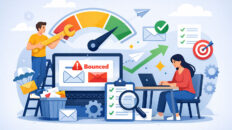
- Bounce Rate: The percentage of emails that could not be delivered to the recipient’s inbox. High bounce rates indicate an unhealthy list and can negatively impact sender reputation. Distinguish between hard bounces (permanent delivery failures) and soft bounces (temporary issues).
- Unsubscribe Rate: The percentage of recipients who opted out of your email list. While some unsubscribes are normal, a consistently high rate suggests issues with content relevance, email frequency, or targeting.
- Revenue Generated (Direct and Attributed): The ultimate measure of success for many SaaS businesses. Track how much revenue is directly attributable to specific email campaigns, whether through new sign-ups, upgrades, or renewed subscriptions. Use UTM parameters for robust tracking.
A/B Testing for Enhanced Performance
A/B testing is a structured way to compare two versions of an email to see which performs better.
- Subject Lines: Test different subject lines to see which ones generate higher open rates. Experiment with length, emojis (if appropriate for your audience), personalization, and urgency.
- Call-to-Action (CTA) Text and Button Design: Test variations in CTA wording, button color, size, and placement to maximize click-through rates. For example, “Start Your Free Trial” vs. “Explore Our Features.”
- Email Content and Layout: Experiment with different email layouts, image placements, and the amount of text. For instance, test short, punchy emails against longer, more detailed ones.
- Send Times and Days: Your audience may be more receptive to emails at certain times of the day or on specific days of the week. Test different schedules to find optimal engagement windows.
- Personalization Elements: Test different levels of personalization – using a subscriber’s name, referencing their past purchases, or segmenting based on more granular data – to see its impact on engagement.
- Sender Name: Experiment with sending from a personal name (e.g., “John from [Your Company]”) versus a generic company name (e.g., “[Your Company] Team”). Often, a personal sender name can increase open rates.
Compliance and Deliverability Best Practices
Effective email marketing also involves adhering to regulations and ensuring your emails actually reach the inbox.
Adhering to Email Marketing Regulations
Ignoring compliance can lead to legal issues, damage to your reputation, and severely impact your deliverability.
- GDPR (General Data Protection Regulation): If you collect personal data from individuals in the EU (or even if your non-EU company markets to EU citizens), you must comply with GDPR. This includes obtaining explicit consent, providing clear privacy policies, allowing easy data access/deletion, and defining the legal basis for processing data.
- CAN-SPAM Act (Controlling the Assault of Non-Solicited Pornography And Marketing Act): Applicable to commercial emails in the US. Key requirements include not using deceptive subject lines, providing a clear physical address, and offering a visible and functional unsubscribe mechanism.
- CASL (Canada’s Anti-Spam Legislation): Similar to GDPR, CASL requires express consent for sending commercial electronic messages to recipients in Canada, along with clear sender identification and an unsubscribe option.
- Other Regional Laws: Be aware of other region-specific regulations (e.g., CCPA in California). If you operate globally, prioritize compliance with the strictest applicable laws as a baseline.
- Clear Opt-in and Opt-out: Always ensure your opt-in process is explicit and auditable (e.g., double opt-in). Provide a clear, easy-to-use unsubscribe link in every commercial email.
Maximizing Email Deliverability
Even the best-crafted email is useless if it lands in the spam folder. Focus on practices that build and maintain a strong sender reputation.
- Maintain a Clean Email List: Regularly remove inactive subscribers, hard bounces, and known spam traps from your list. Sending to non-existent or disengaged addresses harms your sender score. Use email verification services to preemptively clean your list.
- Authenticate Your Sender Identity (SPF, DKIM, DMARC): Implement email authentication protocols like SPF (Sender Policy Framework), DKIM (DomainKeys Identified Mail), and DMARC (Domain-based Message Authentication, Reporting & Conformance). These technologies verify that your emails are legitimately coming from your domain, reducing the chances of them being flagged as phishing or spam.
- Avoid Spam Trigger Words and Practices: Refrain from using excessive capitalization, exclamation marks, or common “spammy” phrases in your subject lines and email content. Avoid suspicious attachments or overly sales-oriented language in every email.
- Ensure Consistent Sending Volume and Frequency: Avoid sending massive blasts after long periods of inactivity. Internet Service Providers (ISPs) prefer consistent, predictable sending patterns. Gradually ramp up sending volume if you’re a new sender or have been inactive.
- Provide an Easy Unsubscribe Process: While it might seem counterintuitive, making it easy for subscribers to unsubscribe gracefully is better than forcing them to mark your emails as spam. Spam reports are far more damaging to your sender reputation than unsubscribes.
- Monitor Deliverability Metrics: Regularly check your email service provider’s deliverability reports. Pay attention to bounce rates, complaint rates, and open rates. Anomalies in these metrics can signal that your emails are not reaching the inbox effectively.
FAQs
What are some effective SaaS growth strategies using email marketing?
Some effective SaaS growth strategies using email marketing include personalized onboarding emails, targeted product update emails, customer feedback and review requests, and automated re-engagement campaigns.
How can personalized onboarding emails contribute to SaaS growth?
Personalized onboarding emails can contribute to SaaS growth by providing new users with a tailored and engaging introduction to the product, helping them understand its value and encouraging them to become active and loyal users.
What role do targeted product update emails play in SaaS growth?
Targeted product update emails play a crucial role in SaaS growth by informing existing users about new features, improvements, and updates, thereby increasing user engagement, satisfaction, and retention.
Why is it important for SaaS companies to request customer feedback and reviews through email marketing?
It is important for SaaS companies to request customer feedback and reviews through email marketing because positive reviews and feedback can build trust, attract new customers, and improve the overall reputation and credibility of the SaaS product.
How can automated re-engagement campaigns help drive SaaS growth?
Automated re-engagement campaigns can help drive SaaS growth by targeting inactive or dormant users with personalized and relevant content, offers, and incentives, encouraging them to re-engage with the product and become active users again.