
You’ve crafted compelling copy, designed stunning visuals, and segmented your audience with meticulous care. Your email campaign is poised for greatness. But then you hit a snag: scheduling. It’s not just about hitting “send”; it’s about sending at the right time, to the right person, with the right frequency. Poor scheduling can turn your brilliantly conceived campaign into a digital tumbleweed, lost in the inbox abyss. This isn’t just about maximizing open rates; it’s about respecting your subscribers’ time, building brand trust, and ultimately, driving conversions. If you’ve ever felt the sting of a campaign underperforming despite your best efforts, chances are, scheduling played a significant role. It’s a seemingly simple task that hides a surprising depth of complexity, and mastering it is crucial for optimal results.
Before you can solve a problem, you need to truly grasp its root causes. You might think scheduling is just about picking a day and time, but you’ll quickly realize it’s far more nuanced.
The Ever-Changing Digital Landscape
The digital world is a dynamic beast. What worked last year might be obsolete today. Your audience’s habits, their preferred platforms, and even their daily routines are constantly evolving.
Shifting Communication Preferences
Remember when email was the only game in town? Now, your customers are bombarded with notifications from social media, messaging apps, and countless other platforms. Email has to fight harder for attention, making optimal timing even more critical. You need to understand when your emails are most likely to be seen amidst this digital cacophony.
The Rise of Mobile Devices
A significant portion of your audience is checking emails on their smartphones. This means they might be glancing at messages during commutes, lunch breaks, or even late at night. Your scheduling needs to account for these micro-moments of engagement, rather than just traditional desktop viewing hours.
Internal Roadblocks and Resource Constraints
Sometimes, the biggest obstacles aren’t external, but internal. Your own team’s processes and resources can inadvertently sabotage your best scheduling intentions.
Lack of Collaboration and Communication
Are your marketing, sales, and content teams working in silos? If your email scheduler isn’t aware of upcoming promotions, product launches, or content releases, you could be sending conflicting messages or missing key opportunities. Effective scheduling requires seamless information flow across departments.
Limited Automation and Manual Processes
If you’re still manually scheduling every email, you’re not only wasting valuable time but also increasing the likelihood of errors. Manual processes are prone to human mistakes, from incorrect segment targeting to accidental double-sends. Investing in robust automation tools is not a luxury, but a necessity.
Insufficient Data Analysis Skills
You might be collecting a wealth of data on your email performance, but if you don’t have the skills or tools to analyze it effectively, it’s just raw numbers. Understanding what days and times yield the best open rates, click-through rates, and conversions is paramount for refining your scheduling strategy.
If you’re looking to enhance your email marketing strategy, you might find the article on Optimizing Email Delivery Timings particularly useful. This resource dives into the best practices for scheduling your email campaigns effectively, ensuring that your messages reach your audience at the most opportune moments. By addressing potential scheduling issues, you can significantly improve your campaign’s performance and engagement rates.
Leveraging Data to Inform Your Scheduling Decisions
Data isn’t just a buzzword; it’s your most powerful ally in solving scheduling woes. You need to stop guessing and start knowing.
Diving Deep into Your Email Analytics
Your email service provider (ESP) is a treasure trove of information. You need to learn how to extract and interpret it.
Identifying Peak Engagement Hours
Look beyond simple open rates. While an email might be opened, when are your subscribers actually engaging with your content? Track click-through rates (CTR) and conversion rates based on the time of day and day of the week. This will reveal the sweet spot where your audience is most receptive to your message. You might find that Tuesday mornings yield high open rates, but Thursday afternoons drive the most purchases.
Analyzing Subscriber Time Zones
If your audience is geographically diverse, a one-size-fits-all approach to scheduling is a recipe for disaster. Sending an email at 9 AM Pacific Time will hit your East Coast subscribers at noon, but your European audience will be asleep. Segment your audience by time zone and schedule your campaigns accordingly to ensure your message arrives when they are awake and active.
Understanding Campaign-Specific Performance
Not all emails are created equal. A promotional email might perform best at a different time than a weekly newsletter or a transactional email. Categorize your campaigns and analyze their individual performance metrics. This allows you to tailor your scheduling for each type of communication, maximizing its impact.
Utilizing A/B Testing for Optimal Timing
Don’t just assume; test. A/B testing is your laboratory for discovering what truly resonates with your audience.
Experimenting with Different Send Times
Take a portion of your segment and split it. Send the same email to one group at your usual time and to another group at a different, experimental time. Track the results meticulously. Over time, these tests will build a robust understanding of your audience’s optimal engagement periods. Remember to only change one variable at a time – in this case, the send time.
Testing Various Days of the Week
Beyond the time of day, the day of the week can significantly impact your campaign’s performance. Weekends, weekdays, early week, late week – each has its own characteristics. Test different days to see if your audience is more responsive on, say, a Wednesday afternoon versus a Monday morning.
Refining Frequency and Cadence
It’s not just when you send, but how often. Are you sending too many emails and overwhelming your subscribers, or too few and fading into obscurity? A/B test different frequencies to find the sweet spot that maintains engagement without leading to unsubscribes. This is a delicate balance, and constant optimization is key.
Implementing Smart Scheduling Strategies and Tools
Once you understand the data, it’s time to put it into action with intelligent strategies and the right technological support.
Dynamic Content and Personalization
Beyond just timing, making your emails relevant to each individual will dramatically boost engagement.
Leveraging Time-Sensitive Offers
If you have a flash sale or a limited-time promotion, scheduling is critical. Use countdown timers or personalized messaging that highlights the urgency, arriving at the precise moment your subscriber is most likely to act. Tools that can dynamically insert content based on the recipient’s local time can be incredibly powerful here.
Segmenting for Relevant Timing
Your “early bird” subscribers might appreciate an email delivered before 8 AM, while “night owls” might prefer an evening message. Segment your audience not just by demographics or behavior, but also by their observed activity patterns. Some ESPs even offer AI-powered features that predict the best send time for each individual.
Personalizing Based on Past Interactions
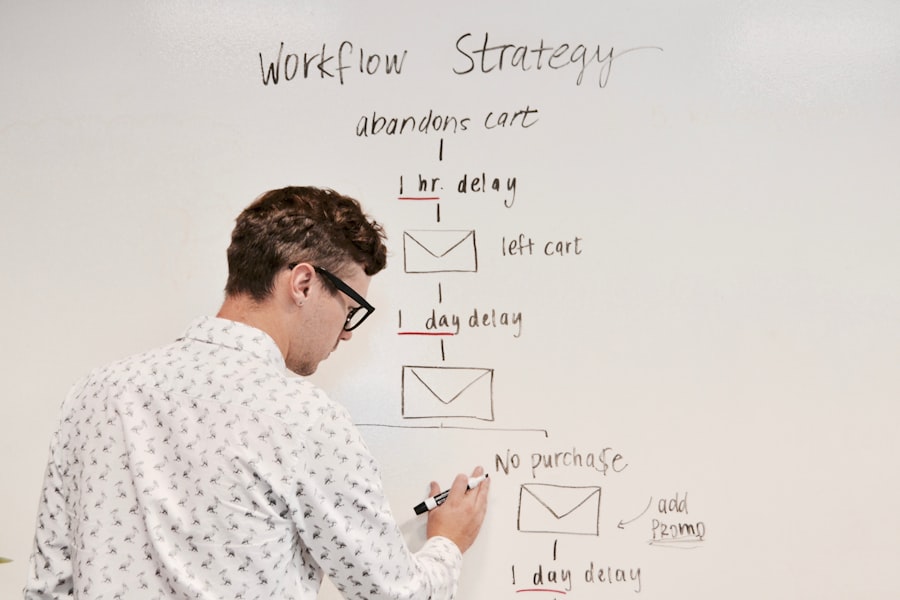
If a subscriber just purchased an item, you might schedule a post-purchase follow-up email a few days later, regardless of the usual campaign schedule. If they abandoned a cart, an immediate reminder is often most effective. Your scheduling needs to be responsive to individual actions, not just broad audience segments.
Harnessing the Power of Automation
Automation is your best friend when it comes to managing complex scheduling needs and ensuring consistency.
Automated Workflow Triggers
Set up automated workflows that send emails based on specific actions or events. This could be a welcome series when a new subscriber joins, a birthday email on their special day, or a re-engagement campaign for inactive users. These emails are often more effective because they are timely and contextually relevant.
Utilizing “Send Time Optimization” Features
Many modern ESPs offer “Send Time Optimization” (STO) features. These AI-powered tools analyze individual subscriber behavior and automatically send your email when each recipient is most likely to open it. This removes the guesswork and scales personalized timing across your entire audience.
Integrating with Other Marketing Platforms
Connect your email platform with your CRM, e-commerce platform, or social media scheduler. This integration allows for a unified view of your customer journey and ensures your email scheduling aligns with other marketing initiatives. For instance, if a social media campaign is driving traffic to a specific landing page, you can schedule a follow-up email to those visitors.
Building a Robust Editorial Calendar
A well-organized calendar brings order to the chaos of multiple campaigns.
Planning Campaigns in Advance
Don’t wait until the last minute to plan your email campaigns. Map out your entire content and promotional schedule weeks, if not months, in advance. This allows you to identify potential overlaps, allocate resources effectively, and ensure your messages are strategically timed.
Coordinating Across Teams
Your editorial calendar should be a central hub accessible to all relevant teams – marketing, sales, content, and even product development. This prevents scheduling conflicts and ensures everyone is aware of what’s going out and when. Regular sync meetings to review the calendar are highly recommended.
Establishing Clear Communication Guidelines
Define who is responsible for scheduling, approving, and analyzing each campaign. Establish clear processes for requesting new campaigns, reviewing content, and making last-minute adjustments. Ambiguity in roles can lead to missed deadlines and poorly timed emails.
Avoiding Common Scheduling Pitfalls
Even with the best intentions, you can fall prey to common mistakes. Be aware of these traps and learn how to navigate them.
Over-Communicating or Under-Communicating
Finding the right balance is one of the trickiest aspects of email marketing.
The Risk of Subscriber Fatigue
Sending too many emails, even if they are well-timed, can quickly lead to unsubscribes. Your subscribers have limited attention. If they feel bombarded, they’ll disengage. Pay attention to unsubscribe rates and use them as a critical indicator of over-communication.
The Danger of Being Forgotten
Conversely, if you email too infrequently, your brand can fade from your subscribers’ minds. They might forget who you are or why they signed up in the first place. You need to maintain a consistent presence without being overwhelming.
Implementing Preference Centers
Empower your subscribers. Offer a robust preference center where they can choose how often they hear from you and what types of content they receive. This puts control in their hands and dramatically reduces unsubscribes caused by frequency issues.
Ignoring Holiday and Seasonal Sensitivities
Holidays and seasonal events present both opportunities and challenges for scheduling.
Adapting to Major Holidays
During major holidays like Christmas, Thanksgiving, or Black Friday, inboxes become incredibly crowded. You need to either schedule your campaigns well in advance to cut through the noise or strategically time them to land during quieter periods before or after the peak. Don’t forget that different cultures celebrate different holidays.
Accounting for Local Events
Beyond national holidays, consider local events that might impact your audience. A major sporting event in a particular city, for example, might mean lower engagement during those specific hours. If your audience is highly localized, factor these into your scheduling.
Adjusting for Travel and Vacation Periods
Many people take vacations during certain times of the year, leading to reduced email engagement. If your audience is largely B2B, summer months or end-of-year periods might see lower open rates. Adjust your schedule accordingly, perhaps by sending fewer emails or focusing on content that can be consumed later.
Neglecting Post-Send Analysis and Iteration
Your job isn’t done once the email is sent. The real learning begins afterward.
Comprehensive Performance Reviews
After each campaign, conduct a thorough review. Look at open rates, click-through rates, conversion rates, unsubscribe rates, and even complaints. Compare these metrics to your benchmarks and previous campaigns. What worked? What didn’t? Why?
Identifying Trends and Patterns
Over time, you’ll start to see patterns emerging. Perhaps your audience consistently engages more with specific types of content on certain days, or they respond better to calls to action sent in the morning. Use these insights to refine your scheduling strategy continuously.
Iterative Optimization Loop
Email campaign scheduling is not a “set it and forget it” task. It’s an ongoing process of testing, analyzing, and adapting. Each campaign provides valuable data that should feed back into your strategy, making the next campaign even more effective. Embrace this iterative loop of optimization.
When managing email campaigns, it’s crucial to address scheduling issues promptly to prevent negative impacts on your results. A related article that delves deeper into optimizing your email marketing strategy can be found here: optimizing your email marketing strategy. This resource provides valuable insights that can help you enhance your campaign effectiveness and ensure timely delivery to your audience.
Conclusion: Mastering the Art of Timely Communication
| Common Email Campaign Scheduling Problems | Potential Impact | Troubleshooting Steps |
|---|---|---|
| Incorrect Timezone Settings | Delivering emails at the wrong time | Double-check timezone settings in the email marketing platform |
| Overlapping Campaigns | Confusion and overload for recipients | Review and adjust scheduling to avoid overlap |
| Technical Glitches | Emails not being sent as scheduled | Monitor email delivery and troubleshoot any technical issues |
| Unforeseen Events | Emails not reaching recipients due to external factors | Have a contingency plan and monitor for any external events |
You’ve learned that effective email campaign scheduling is far more than just picking a slot on a calendar. It’s a strategic imperative that underpins the success of your entire email marketing efforts. By diligently understanding your audience’s behavior, leveraging the power of data, implementing smart automation, and continuously refining your approach, you can transform your scheduling challenges into a significant competitive advantage.
Remember, your goal isn’t just to send emails; it’s to deliver value at the precise moment it’s most impactful for your subscribers. By doing so, you build stronger relationships, drive higher engagement, and ultimately achieve the optimal results you’re striving for. So, take these insights, apply them to your campaigns, and watch your email marketing soar.
FAQs
What are common email campaign scheduling problems?
Common email campaign scheduling problems include sending emails at the wrong time, scheduling conflicts with other marketing efforts, and technical issues with the email marketing platform.
How can email campaign scheduling problems affect results?
Email campaign scheduling problems can affect results by causing emails to be overlooked or ignored by recipients, leading to lower open and click-through rates. Additionally, scheduling problems can result in missed opportunities to reach the target audience at the most effective times.
What are some best practices for troubleshooting email campaign scheduling problems?
Best practices for troubleshooting email campaign scheduling problems include double-checking the scheduled send time, coordinating with other marketing efforts to avoid scheduling conflicts, and testing the email delivery to ensure it reaches recipients’ inboxes as intended.
What role does email marketing platform play in addressing scheduling problems?
The email marketing platform plays a crucial role in addressing scheduling problems by providing features for scheduling emails, monitoring delivery performance, and troubleshooting technical issues that may affect the scheduled send time.
How can proactive troubleshooting of email campaign scheduling problems improve results?
Proactively troubleshooting email campaign scheduling problems can improve results by ensuring that emails are delivered at the most effective times, minimizing the risk of scheduling conflicts, and optimizing the overall performance of the email marketing campaign.