
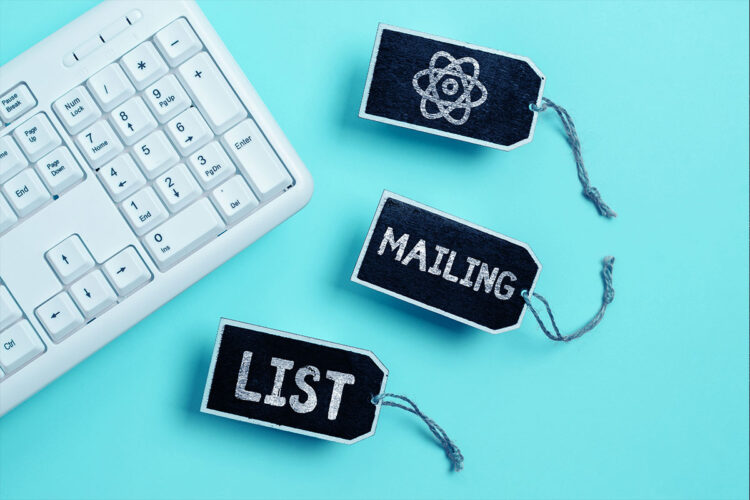
You’re the master of your email domain, the architect of your digital communications. Your email list is a crucial asset, a direct line to your audience, and like any valuable asset, it needs regular care. Neglecting your list is like letting dust settle on your masterpiece – it diminishes its impact and hinders its effectiveness. This is where email list hygiene comes in, and as the Listicle Content Architect, your mission is to craft the ultimate guide to its maintenance. Get ready to dive deep into the practices that will keep your list pristine, engaged, and delivering stellar results.
Before you roll up your sleeves and start scrubbing, it’s essential to grasp the profound impact of a well-maintained email list. Think of it not just as a collection of addresses, but as a sensitive ecosystem. When that ecosystem is healthy, everything thrives.
The Cornerstone of Deliverability
Your ability to reach your subscribers’ inboxes is paramount. A dirty list, filled with invalid addresses, inactive users, and spam traps, is the quickest way to land yourself in the digital doghouse – also known as the spam folder.
Reducing Bounce Rates: The First Line of Defense
Bouncing is a signal. Hard bounces mean an email address is permanently invalid. Soft bounces can be temporary, but a consistent pattern of soft bounces on the same address is a red flag. High bounce rates tell mailbox providers that you’re not sending quality content to valid addresses, making them scrutinize your future sends.
How Bad Bounces Hurt You:
- Sender Reputation Degradation: Consistently sending to invalid addresses signals poor list management. This damages your sender reputation, making it harder for all your emails to get through, even to valid subscribers.
- Wasted Resources: Sending emails to invalid addresses is a waste of your time, effort, and often, your email service provider’s (ESP) resources.
- Inaccurate Metrics: High bounce rates skew your open and click-through rates, making it difficult to accurately gauge the true engagement of your active subscribers.
Dodging Spam Traps: The Silent Killers
Spam traps are email addresses intentionally set up by Internet Service Providers (ISPs) and anti-spam organizations to catch spammers. They are typically old, unused email addresses that have been reactivated and closely monitored. Any email sent to a spam trap address is a direct indication that your list is not clean, and your sender reputation will suffer immensely.
The Devastating Consequences of Hitting a Spam Trap:
- Immediate Blacklisting: Landing in a spam trap is one of the fastest ways to get your domain and IP address blacklisted by major ISPs. This means your emails will likely never reach your subscribers.
- Unrecoverable Reputation Damage: Overcoming a blacklist can be a long and arduous process, often requiring extensive investigation and proof of improved practices.
- Loss of Trust: Once blacklisted, regaining the trust of ISPs and regaining deliverability can feel like climbing Mount Everest in flip-flops.
Boosting Engagement and ROI
A clean list isn’t just about avoiding negative consequences; it’s about maximizing positive outcomes. When you’re only sending to people who want to hear from you, the results speak for themselves.
Higher Open and Click-Through Rates: The Sweet Spot
When your list is populated with engaged subscribers, they are more likely to open your emails and click on your links. This is the ultimate goal of email marketing – driving action and achieving your business objectives.
The Tangible Benefits of High Engagement:
- Increased Conversions: More clicks lead to more website visits, product purchases, lead form submissions, and ultimately, more revenue.
- Stronger Customer Relationships: Engaged subscribers feel connected to your brand. They are more likely to be loyal customers and advocates.
- Valuable Feedback: Active subscribers are more likely to provide feedback, answer surveys, and participate in your community.
Improved Campaign Performance and Data Accuracy
Accurate data fuels smart decisions. A clean list provides you with a true reflection of your audience’s behavior, allowing you to refine your strategies.
How Clean Data Fuels Better Decisions:
- Precise Segmentation: You can segment your audience with confidence, targeting the right messages to the right people at the right time, leading to more personalized and effective campaigns.
- Meaningful Analytics: Your open, click, and conversion rates become reliable indicators of what’s working and what’s not, enabling you to optimize future campaigns.
- Efficient Resource Allocation: By focusing your efforts on engaged subscribers, you avoid wasting marketing spend on uninterested individuals.
Cost-Effectiveness and Operational Efficiency
Sending emails costs money, whether it’s through your ESP’s subscription fees or the time your team spends crafting and managing campaigns. A clean list ensures you’re getting the most bang for your buck.
Optimizing ESP Costs
Most Email Service Providers (ESPs) charge based on the number of subscribers you have. The larger your list, the more you pay, regardless of whether those subscribers are active or not.
The Financial Advantage of a Lean List:
- Reduced Monthly Expenses: Regularly pruning your list can lead to significant savings on your ESP subscription fees.
- Tiered Pricing Benefits: You might be able to move to a more cost-effective pricing tier if your active subscriber count decreases.
- Focus on Value, Not Volume: You shift your focus to cultivating a smaller, highly engaged list, which is far more valuable than a massive, unengaged one.
Streamlining Workflow and Reducing Internal Strain
Managing a bloated list can be a headache. It means dealing with more bounce notifications, more complaints, and more noise.
The Operational Perks of a Tidy List:
- Less Time Spent on Cleanup: Dedicated time for list cleaning means less reactive firefighting later on.
- Clearer Reporting: Analytics dashboards become easier to interpret and act upon when they reflect genuine engagement.
- Reduced Stress for Your Team: Knowing you’re sending to a receptive audience reduces the anxiety associated with campaign performance.
Maintaining a clean email list is crucial for effective email marketing, and understanding the principles of email list hygiene can significantly enhance your campaign’s success. For further insights on this topic, you may find the article “The Importance of Email Verification for List Hygiene” particularly useful. It delves into the methods of verifying email addresses and the benefits of keeping your list updated. You can read it here: The Importance of Email Verification for List Hygiene.
2. The Essential Cleaning Toolkit: Tools and Techniques for a Pristine List
Having the right tools and understanding the fundamental techniques are crucial for effective email list hygiene. Think of this as equipping your workshop with the best instruments.
Leveraging Your Email Service Provider (ESP) Tools
Your ESP is your primary ally in list management. They typically offer built-in features to help you identify and manage problematic subscribers.
Automated Suppression and Bounce Management
Most ESPs automatically handle hard bounces and allow you to configure how soft bounces are managed. Understanding these settings is your first step.
Key ESP Features to Master:
- Bounce Categories: Familiarize yourself with hard, soft, and deferred bounces. Your ESP will usually categorize these for you.
- Automatic Suppression: Ensure your ESP is configured to automatically suppress or unsubscribe addresses that generate hard bounces.
- Soft Bounce Thresholds: Some ESPs allow you to set a threshold for soft bounces. After a certain number of soft bounces from a single address, it will be suppressed. Pay attention to these settings.
- Complaint Handling: Your ESP will also track unsubscribe requests and spam complaints. These are critical indicators of subscriber dissatisfaction.
Segmentation and Reporting Features
Use your ESP’s reporting capabilities to identify trends and segment your list for targeted cleanup or re-engagement efforts.
Unearthing Insights with ESP Reports:
- Inactive Subscriber Reports: Look for subscribers who haven’t opened or clicked an email in a specific period (e.g., 6 months, 1 year).
- Delivery and Bounce Reports: Regularly review these to identify patterns of bounces and understand the health of your sender reputation.
- Complaint Reports: Monitor these closely. A spike in complaints is a serious warning sign.
- Segmentation Options: Utilize your ESP’s segmentation tools to isolate specific groups of subscribers for targeted actions.
External List Cleaning Services: The Professional Cleanup Crew
When your ESP tools aren’t enough, or you want an extra layer of validation, external services can be invaluable.
How These Services Work
These specialized services use advanced algorithms and vast databases to verify email addresses, identify spam traps, and flag invalid or risky addresses.
The Advantages of Outsourcing Cleanliness:
- High Accuracy: They often have sophisticated methods to detect even obscure invalid addresses and potential spam traps.
- Time Savings: They can process large lists quickly, freeing up your internal resources.
- Deeper Insights: Some services provide detailed reports on the types of invalid addresses found, helping you understand your list’s weak points.
- Spam Trap Detection: This is a critical benefit, as accidentally sending to a spam trap can have severe consequences.
Popular List Cleaning Services (Examples):
- ZeroBounce
- NeverBounce
- BriteVerify
- Hunter.io (primarily for finding emails, but has verification tools)
Manual Review and List Deduplication: The Hands-On Approach
While automation is crucial, a human touch can also be beneficial, especially for smaller, more critical lists or when dealing with specific edge cases.
Identifying and Merging Duplicate Entries
Duplicate email addresses can skew your metrics and inflate your sending costs.
Steps for Deduplication:
- Export Your List: If your ESP doesn’t offer direct deduplication, export your list into a spreadsheet.
- Use Spreadsheet Functions: Employ functions like
COUNTIForVLOOKUPto identify duplicate email addresses. - Manual Review and Consolidation: Carefully review the duplicates and decide which entry to keep, ensuring you don’t lose valuable subscriber data associated with the duplicate. Many ESPs also have built-in deduplication features.
Reviewing Unsubscribes and Bounced Addresses
While your ESP handles much of this, a periodic manual review of your suppressed lists can offer valuable insights.
What to Look For in Suppressed Lists:
- Patterns in Bounce Reasons: Are there specific domains that consistently bounce? This might indicate a problem with that particular ISP or a domain that’s no longer active.
- Recurrent Complaints: If certain IP addresses or domains consistently generate complaints, it might be worth investigating the source of the issue.
- Legitimate Unsubscribes: Ensure that every unsubscribe request is honored promptly.
3. The Proactive Approach: Building and Maintaining a Clean List from Day One

The best offense is a good defense. Implementing robust practices from the moment subscribers opt-in will save you immense effort down the line.
Implementing Double Opt-In (DOI): The Gold Standard
Double opt-in is a powerful method for ensuring you only add truly interested individuals to your list.
How Double Opt-In Works
When someone signs up via a form on your website, they receive an email asking them to confirm their subscription. They must click a link in that email to be added to your active list.
The Unbeatable Advantages of DOI:
- Confirmed Intent: You have definitive proof that the subscriber actively wants to be on your list.
- Reduced Bots and Fake Signups: It significantly curtails automated signups from bots.
- Higher Quality Subscribers: Subscribers who go through the extra step are generally more engaged.
- Improved Sender Reputation: Consistent engagement from DOI subscribers signals to ISPs that your list is valuable.
- Fewer Spam Complaints: Since they explicitly confirmed their interest, they are much less likely to mark your emails as spam.
Setting Up DOI Effectively
Ensure your DOI email is clear, concise, and branded consistently with your other communications.
Best Practices for Your DOI Email:
- Clear Subject Line: Something like “Please Confirm Your Subscription to [Your Brand Name]” is direct and informative.
- Explicit Call to Action: “Click here to confirm your subscription” or a prominent button.
- Explain the Benefit: Briefly remind them what they’ll receive by subscribing.
- Set Expectations: Mention the frequency of emails and the type of content they can expect.
- Provide Support Info: Include a link to your privacy policy and contact information.
Rigorous Data Validation at the Point of Capture
Before an email address even hits your list, validate it to ensure it’s likely to be legitimate.
Real-Time Form Validation
Use JavaScript or built-in form features to check for basic errors as users type.
Essential Form Validation Checks:
- Email Format Check: Ensure the email address has a valid structure (e.g., contains “@” and a “.”)
- Required Field Check: Make sure the email field isn’t left blank.
- Domain Existence Check (Advanced): Some tools can ping the domain to see if it’s a real, active domain. This can catch typos like “gamil.com” versus “gmail.com” before submission.
Reconfirming Email Addresses Through Sign-Up Forms
Implement a confirmation step directly within your sign-up form process.
Pre-Submission Confirmation:
- “Are you sure this is your correct email?” A simple prompt before submission can catch typos.
- Single Opt-In with a Verification Email: Consider a single opt-in for initial signup, followed by a confirmation email as described in the DOI section. This offers a slightly smoother initial user experience while still ensuring deliverability.
Regular List Audits and Segmentation Strategy
Proactive cleaning isn’t a one-time event; it’s a continuous process.
Segmenting for Re-engagement and Pruning
Divide your list into groups based on their engagement levels to target them strategically.
Key Segments to Create:
- Highly Engaged: Open and click regularly. These are your VIPs.
- Moderately Engaged: Open occasionally but rarely click.
- Inactives: Haven’t opened or clicked in a significant period (e.g., 3-6 months).
- New Subscribers: Haven’t been on the list long enough to establish a pattern.
Developing a Re-engagement Campaign Strategy
Before removing inactive subscribers, give them a chance to reconfirm their interest.
Crafting a Win-Back Campaign:
- The “We Miss You” Email: A friendly reminder that you haven’t seen them in a while.
- The “Last Chance” Email: Offer a special incentive (discount, exclusive content) to re-engage.
- The “Last, Last Chance” Email: A polite farewell with a clear option to stay subscribed.
- Automated Workflow: Set up an automated series to run for subscribers who fall into the inactive segment.
- Clear Opt-Out: Make it easy for them to unsubscribe. If they don’t re-engage after the campaign, they are prime candidates for removal.
4. The Art of Pruning: Knowing When and How to Let Go

This is the moment of truth – deciding who stays and who goes. It’s not about being ruthless; it’s about being strategic.
Identifying “Dead Weight” Subscribers
These are the subscribers who are actively harming your sender reputation and campaign performance.
The Tell-Tale Signs of a Dead Weight Subscriber:
- Consistent Non-Opens: They haven’t opened a single email in your last 6-12 months of sends, despite receiving and not bouncing.
- Unsubscribes from Specific Campaigns: While this can sometimes be good segmentation, a pattern of unsubscribing from all your campaigns might indicate they no longer wish to hear from you.
- Spam Complaints: This is the most critical signal. Anyone who marks your email as spam should be immediately and permanently removed.
- Hard Bounces: These are invalid addresses and should be removed as soon as they occur.
The “Inactive” Tier: A Threshold for Action
Determine a reasonable timeframe for inactivity. This will vary based on your sending frequency and industry norms.
Establishing Your Inactivity Benchmark:
- If you send daily: 3 months of inactivity might be your trigger.
- If you send weekly: 6 months might be more appropriate.
- If you send monthly: 9-12 months could be your benchmark.
Crucially, this benchmark should be informed by your re-engagement campaign results. If your re-engagement campaign successfully reactivates a significant portion of your supposedly inactive subscribers, you might need to adjust your initial inactivity definition.
Implementing a Pruning Strategy: The Surgical Approach
Don’t just delete; make informed decisions.
Segmenting for Removal
Use your ESP or list cleaning tools to isolate the subscribers who fit your “dead weight” criteria.
Targeted Segments for Pruning:
- Hard Bounces: This segment should be automatically suppressed by your ESP, but a regular check ensures there are no oversights.
- Spam Complaitns: This segment needs immediate and permanent removal.
- Inactives (Post Re-engagement): These are the subscribers who did not respond to your win-back campaign.
The Pruning Process: Step-by-Step
- Identify Target Segment: Isolate the inactive subscribers who haven’t engaged after your re-engagement campaign.
- Final Review (Optional but Recommended): For very valuable lists or very old inactive segments, a quick spot-check of a few hundred addresses might reveal surprising patterns that inform future list building.
- Remove (Don’t Just Suppress): Most ESPs offer a “delete” or “permanently unsubscribe” option. This removes them from your active list and reduces your billable subscriber count. “Suppressing” might keep them in a separate category, which can still incur costs.
- Document: Note down when you performed the pruning and which criteria you used. This helps with historical data and future strategy.
The Impact of Pruning on Your Sender Reputation and Metrics
Letting go of the dead weight has immediate positive effects.
Restoring Sender Score
As your list becomes cleaner, your engagement rates will rise, and bounce rates will fall. This signals to ISPs that you’re a responsible sender.
Positive Changes You Can Expect:
- Improved Inbox Placement: More of your emails will land in the primary inbox rather than the spam folder.
- Higher Deliverability Rates: The percentage of emails successfully delivered will increase.
- Increased Engagement Metrics: Open rates and click-through rates will naturally appear higher on your remaining active list.
Achieving More Accurate Analytics
Clean data leads to reliable insights.
The Clarity of Clean Data:
- Meaningful Benchmarks: You can now compare your current campaign performance against accurate historical data.
- Better Decision-Making: Your audience segmentation will be more effective, leading to more targeted and successful campaigns.
- Reduced Wasted Marketing Spend: You’re no longer paying to send emails to uninterested or invalid addresses.
Maintaining a clean email list is crucial for effective email marketing, and understanding the principles of email list hygiene can significantly enhance your campaign’s performance. For those looking to delve deeper into this topic, a related article titled Email Marketing Best Practices offers valuable insights on optimizing your email strategies. By implementing the techniques discussed in both articles, you can ensure that your communications reach the right audience and yield better engagement rates.
5. Maintaining the Momentum: Building a Culture of List Hygiene
| Aspect | Description |
|---|---|
| Email List Hygiene | The process of keeping an email list clean and up-to-date by removing inactive, invalid, or duplicate email addresses. |
| Benefits | Improves deliverability, reduces bounce rates, enhances sender reputation, and increases engagement. |
| Methods | Regularly scrubbing the list, using double opt-in for new subscribers, monitoring engagement metrics, and removing inactive subscribers. |
| Tools | Email verification services, list cleaning software, and email marketing platforms with built-in hygiene features. |
| Frequency | It is recommended to perform email list hygiene at least every 3-6 months to maintain list quality. |
Email list hygiene isn’t a task; it’s a philosophy. Once you’ve achieved a clean list, the work isn’t over – it’s about embedding these practices into your daily operations.
Integrating List Hygiene into Your Marketing Workflow
Make list maintenance a non-negotiable part of your marketing routine.
Scheduling Regular List Audits and Cleanups
Don’t wait until your list becomes a mess again. Schedule regular check-ins.
Recommended Audit Schedule:
- Weekly: Review bounce reports and new unsubscribe requests.
- Monthly: Analyze engagement metrics, identify new inactive segments, and run automated cleaning processes.
- Quarterly/Bi-Annually: Conduct larger re-engagement campaigns and more thorough pruning of inactive subscribers.
Automating Where Possible
Leverage your ESP’s automation features to handle repetitive tasks.
Automatable Hygiene Tasks:
- Automatic Suppression of Hard Bounces: Ensure this is always enabled.
- Automated Re-engagement Workflows: Set up triggers for inactive subscribers.
- Automated Unsubscribe Handling: Ensure all unsubscribe requests are processed immediately.
Educating Your Team and Stakeholders
Ensure everyone involved in email marketing understands the importance of list hygiene and their role in maintaining it.
Training on Best Practices
Provide clear training materials and regular refreshers on list hygiene protocols.
Key Training Topics:
- The “Why”: Reiterate the benefits of a clean list.
- ESP Tool Usage: How to access and interpret bounce reports, engagement metrics, and complaint data.
- Pruning and Re-engagement Processes: Understanding the steps and the criteria for removal.
- Data Privacy Compliance: Ensuring adherence to GDPR, CCPA, and other relevant regulations.
Fostering a Data-Driven Mindset
Encourage your team to think critically about their list and its performance.
Empowering Your Team:
- Shared Responsibility: Emphasize that list hygiene is everyone’s job, not just one person’s.
- Performance Tracking: Regularly share key list health metrics with the team.
- Continuous Improvement: Encourage them to identify potential issues and suggest improvements to the process.
Staying Vigilant with Evolving Email Best Practices and Regulations
The email landscape is constantly changing. Keeping up-to-date is crucial for long-term success.
Monitoring ISP Guidelines and Sender Reputation
Your deliverability depends on maintaining good standing with ISPs.
Proactive Monitoring:
- Use Sender Reputation Tools: Tools like Google Postmaster Tools, Microsoft SNDS, and third-party reputation checkers can provide insights into your IP and domain’s health.
- Stay Informed about ISP Changes: Major ISPs occasionally update their filtering algorithms. Keep an eye on industry news and your ESP’s best practice guides.
Understanding and Complying with Data Privacy Laws
Regulations like GDPR, CCPA, and others dictate how you collect, store, and use personal data, including email addresses.
Crucial Compliance Points:
- Lawful Basis for Processing: Ensure you have a clear legal basis for collecting and emailing subscribers.
- Easy Unsubscribe: Make it simple and obvious for subscribers to opt-out at any time.
- Data Minimization: Collect only the data you need.
- Transparency: Be clear about how you use their data.
By embracing these practices, you’re not just cleaning your email list; you’re cultivating a thriving communication channel that drives meaningful results for your business. This is the essence of listicle mastery – guiding your audience to success through clear, actionable, and comprehensive advice.
FAQs
What is email list hygiene?
Email list hygiene refers to the process of regularly cleaning and maintaining an email list to ensure that it remains accurate, up-to-date, and free of invalid or inactive email addresses. This helps improve email deliverability and engagement rates.
Why is email list hygiene important?
Maintaining good email list hygiene is important because it helps to ensure that your email marketing efforts are effective. By regularly cleaning your email list, you can reduce bounce rates, improve deliverability, and increase engagement with your subscribers.
What are the benefits of maintaining email list hygiene?
The benefits of maintaining email list hygiene include improved deliverability, higher open and click-through rates, reduced risk of being marked as spam, better sender reputation, and cost savings by not sending emails to invalid or inactive addresses.
How can I maintain email list hygiene?
You can maintain email list hygiene by regularly cleaning your list to remove invalid or inactive email addresses, using double opt-in methods to ensure subscribers are engaged, segmenting your list to send targeted content, and regularly monitoring and analyzing your email metrics.
What are some best practices for maintaining email list hygiene?
Some best practices for maintaining email list hygiene include regularly cleaning your list, using confirmed opt-in methods, providing easy ways for subscribers to update their information, segmenting your list for targeted campaigns, and monitoring email engagement metrics.