In today’s digital landscape, establishing and maintaining brand trust is more crucial than ever. As you navigate the complexities of email marketing, you may find that consumers are increasingly wary of unsolicited messages and potential scams. This is where Brand Indicators for Message Identification (BIMI) and Verified Mark Certificates (VMCs) come into play.
These tools not only enhance your email marketing strategy but also serve as a beacon of trust for your audience. By integrating BIMI and VMCs into your campaigns, you can significantly bolster your brand’s credibility and foster a more secure communication environment. As you delve deeper into the world of email marketing, you’ll discover that trust is a multifaceted concept.
It encompasses not only the reliability of your products or services but also the integrity of your communication channels. BIMI and VMCs are designed to address these concerns head-on, providing a visual representation of your brand that reassures recipients of the authenticity of your messages. By leveraging these tools, you can create a more trustworthy email experience that resonates with your audience and encourages engagement.
Key Takeaways
- BIMI and Verified Mark Certificates (VMCs) are key tools for enhancing brand trust in email marketing by displaying verified brand logos.
- These technologies help combat email fraud and phishing, increasing recipient confidence and engagement.
- Implementing BIMI and VMCs requires proper authentication protocols like DMARC to ensure security and effectiveness.
- Successful case studies demonstrate improved brand recognition and higher email open rates after adopting BIMI and VMCs.
- Overcoming adoption challenges and following best practices are essential for leveraging BIMI and VMCs to build long-term brand trust.
Understanding BIMI and Verified Mark Certificates
To fully appreciate the benefits of BIMI and VMCs, it’s essential to understand what they are and how they function. BIMI is an email specification that allows organizations to display their brand logo alongside their email messages. This visual cue not only enhances brand recognition but also signals to recipients that the email is legitimate.
When you implement BIMI, you essentially provide a way for email clients to verify your brand’s identity, which can lead to higher open rates and improved customer engagement. On the other hand, Verified Mark Certificates are digital certificates issued by trusted Certificate Authorities (CAs) that authenticate your brand’s logo for use with BIMI. These certificates ensure that only verified brands can display their logos in email clients, adding an extra layer of security.
When you obtain a VMC, you are not just showcasing your logo; you are also signaling to your audience that you take their security seriously. This combination of visual branding and authentication creates a powerful tool for building trust in your email communications.
The Importance of Brand Trust in Email Marketing
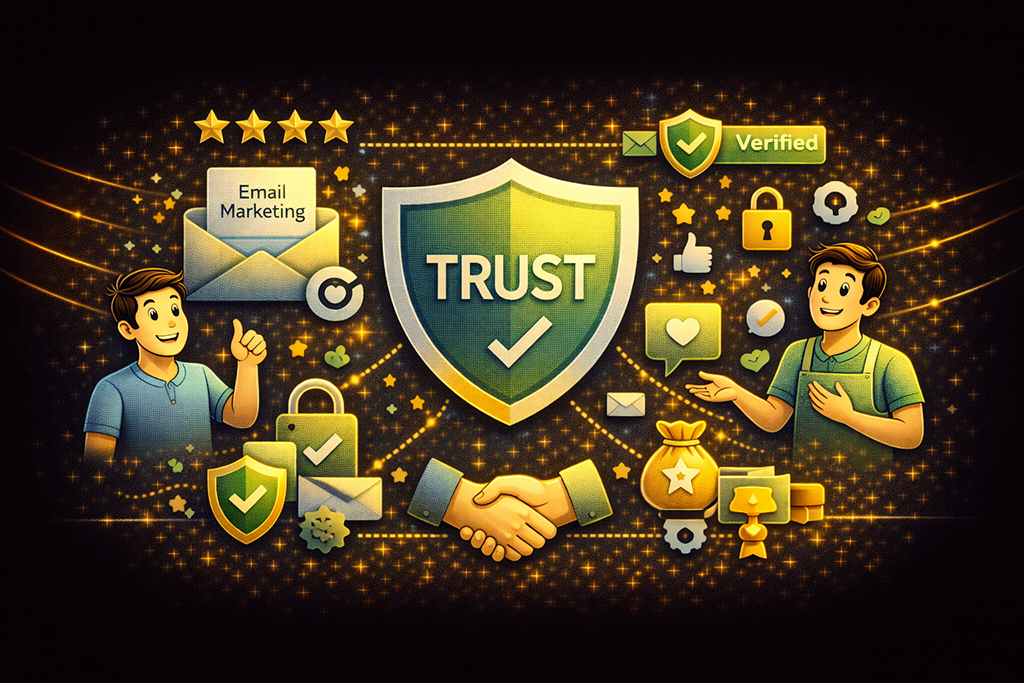
Brand trust is the cornerstone of successful email marketing campaigns. When consumers trust your brand, they are more likely to engage with your content, make purchases, and recommend your products or services to others. In an era where consumers are bombarded with countless emails daily, establishing trust can set you apart from the competition.
You may find that trust influences not only open rates but also click-through rates and overall conversion rates. Moreover, brand trust extends beyond individual transactions; it fosters long-term relationships with your audience. When customers feel confident in your brand, they are more likely to remain loyal over time.
This loyalty translates into repeat business and can significantly impact your bottom line. By prioritizing brand trust in your email marketing strategy, you position yourself for sustained success in an increasingly competitive marketplace.
How BIMI and Verified Mark Certificates Enhance Brand Trust
BIMI and VMCs play a pivotal role in enhancing brand trust by providing visual assurance to recipients. When you include your verified logo in emails, it serves as a recognizable symbol of authenticity. This visual representation can help alleviate concerns about phishing attempts or fraudulent communications, as recipients can easily identify legitimate messages from trusted brands like yours.
The presence of a verified logo can lead to increased open rates, as consumers are more inclined to engage with emails that they perceive as trustworthy. Additionally, the implementation of BIMI and VMCs demonstrates your commitment to security and transparency. By taking proactive steps to authenticate your brand’s identity, you send a clear message to your audience: you value their safety and privacy.
This commitment can significantly enhance your reputation and foster deeper connections with your customers. As you integrate these tools into your email marketing strategy, you’ll likely notice a positive shift in how your audience perceives your brand.
Implementing BIMI and Verified Mark Certificates in Email Marketing Campaigns
| BIMI Adoption Rate | Percentage of organizations implementing BIMI | 5% – 20% (varies by industry) | Higher adoption increases brand visibility and trust |
| Verified Mark Certificate (VMC) Issuance Time | Time taken to obtain a VMC from certificate authorities | 2 – 6 weeks | Faster issuance accelerates brand trust deployment |
| Email Open Rate Increase | Percentage increase in email open rates after BIMI implementation | 5% – 10% | Improved open rates indicate higher recipient trust |
| Phishing Reduction Rate | Decrease in successful phishing attacks due to BIMI and VMC | Up to 30% reduction | Enhances recipient confidence in email authenticity |
| Brand Logo Display Rate | Percentage of emails displaying the verified brand logo in inboxes | 70% – 90% (depending on email client support) | Visual brand reinforcement boosts trust and recognition |
| Cost of VMC | Expense involved in obtaining a Verified Mark Certificate | Varies by provider; typically moderate | Investment in brand security and trustworthiness |
Implementing BIMI and VMCs in your email marketing campaigns may seem daunting at first, but the process can be straightforward with the right approach. Start by ensuring that you have a robust Domain-based Message Authentication, Reporting & Conformance (DMARC) policy in place. DMARC is essential for verifying the authenticity of your emails and preventing spoofing attempts.
Once you’ve established DMARC, you can proceed to create a BIMI record that includes the URL of your logo. Next, you’ll need to obtain a Verified Mark Certificate from a trusted Certificate Authority. This step involves submitting documentation that proves your ownership of the brand logo and domain.
Once you’ve secured the VMC, you can link it to your BIMI record, allowing email clients to display your verified logo alongside your messages.
As you roll out these changes, monitor engagement metrics closely to assess the impact on open rates and customer interactions.
The Role of BIMI and Verified Mark Certificates in Combatting Email Fraud and Phishing
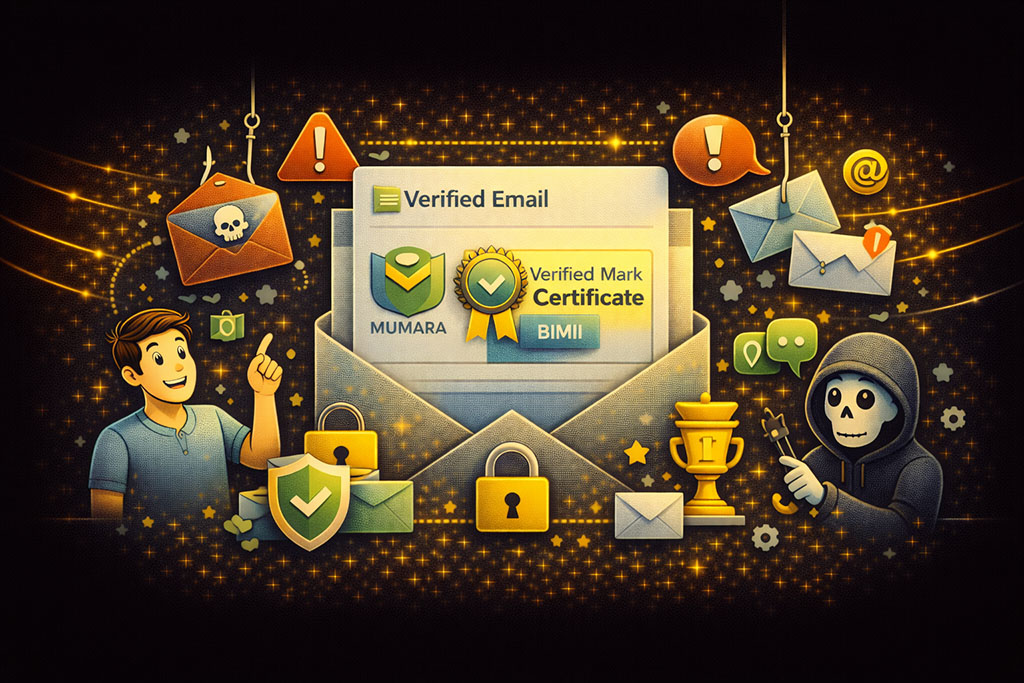
Email fraud and phishing attacks pose significant threats to both consumers and brands alike. As a marketer, you understand the importance of protecting your audience from these malicious activities. BIMI and VMCs serve as powerful tools in this fight against fraud by providing a clear indication of legitimate communications.
When recipients see a verified logo in their inboxes, they can feel more confident that the message is authentic and not an attempt to deceive them. By implementing these measures, you not only protect your customers but also safeguard your brand’s reputation. A single phishing incident can tarnish consumer trust and lead to long-lasting damage.
However, by actively combatting these threats through BIMI and VMCs, you demonstrate a commitment to security that resonates with your audience. This proactive approach can help mitigate risks associated with email fraud while reinforcing the integrity of your brand.
Case Studies: Successful Implementation of BIMI and Verified Mark Certificates
Examining real-world examples can provide valuable insights into the successful implementation of BIMI and VMCs. For instance, several leading brands have reported significant increases in open rates after adopting these tools. One notable case involved a major e-commerce retailer that integrated BIMI into its email marketing strategy.
Following implementation, the company observed a 20% increase in open rates within just a few months, attributing this success to enhanced brand visibility and consumer trust. Another example comes from a financial institution that prioritized security in its communications. By obtaining a Verified Mark Certificate and displaying its logo through BIMI, the institution was able to reassure customers about the authenticity of its emails.
As a result, customer engagement improved dramatically, leading to higher conversion rates for promotional campaigns. These case studies illustrate how BIMI and VMCs can transform email marketing efforts by fostering trust and encouraging customer interaction.
Best Practices for Utilizing BIMI and Verified Mark Certificates
To maximize the benefits of BIMI and VMCs in your email marketing campaigns, consider implementing best practices that enhance their effectiveness. First and foremost, ensure that your DMARC policy is correctly configured to support BIMI implementation. A strong DMARC policy not only protects your domain from spoofing but also lays the groundwork for successful logo display.
Additionally, focus on creating a high-quality logo that accurately represents your brand identity. The logo should be clear, recognizable, and consistent with your overall branding strategy. When selecting an image for BIMI, consider how it will appear across various devices and email clients to ensure optimal visibility.
Finally, regularly monitor engagement metrics after implementation to assess performance and make necessary adjustments based on audience feedback.
Overcoming Challenges in Adopting BIMI and Verified Mark Certificates
While the benefits of BIMI and VMCs are clear, you may encounter challenges during the adoption process. One common hurdle is ensuring compliance with DMARC requirements, which can be complex for organizations with multiple domains or subdomains. To overcome this challenge, consider working with IT professionals who specialize in email authentication to streamline the process.
Another potential obstacle is obtaining a Verified Mark Certificate from a trusted Certificate Authority. The application process may require extensive documentation and verification steps that could delay implementation. To mitigate this issue, prepare all necessary materials in advance and maintain open communication with the CA throughout the process.
By proactively addressing these challenges, you can successfully integrate BIMI and VMCs into your email marketing strategy.
The Future of Brand Trust and Email Marketing with BIMI and Verified Mark Certificates
As digital communication continues to evolve, so too will the importance of brand trust in email marketing. The rise of cyber threats necessitates ongoing efforts to protect consumers from fraud while fostering authentic connections between brands and their audiences. BIMI and VMCs represent a forward-thinking approach to building trust in this landscape by providing visual cues that enhance security.
Looking ahead, we can expect further advancements in email authentication technologies that will complement BIMI and VMCs. As more brands adopt these tools, consumer expectations will shift toward greater transparency and security in communications. By staying ahead of these trends and continuously refining your email marketing strategies, you can position yourself as a leader in building brand trust within an increasingly competitive environment.
Leveraging BIMI and Verified Mark Certificates to Build Brand Trust
In conclusion, leveraging BIMI and Verified Mark Certificates is an effective strategy for building brand trust in today’s digital marketplace. By implementing these tools into your email marketing campaigns, you not only enhance brand visibility but also reassure consumers about the authenticity of your communications. As trust becomes an increasingly vital component of successful marketing efforts, embracing BIMI and VMCs will position you favorably among competitors while fostering lasting relationships with your audience.
As you move forward with integrating these tools into your strategy, remember that building trust is an ongoing process that requires consistent effort and attention to detail. By prioritizing security, transparency, and authenticity in all aspects of your email marketing campaigns, you’ll create an environment where consumers feel valued and confident in their interactions with your brand. Ultimately, this commitment will lead to increased engagement, loyalty, and long-term success in an ever-evolving digital landscape.
Implementing BIMI and Verified Mark Certificates can significantly enhance brand trust in inboxes, ensuring that your emails are recognized and valued by recipients. For those looking to further improve their email marketing strategies, a related article on how to create a landing page and configure a custom domain can provide valuable insights. You can read more about it here.
FAQs
What is BIMI?
BIMI stands for Brand Indicators for Message Identification. It is an email specification that allows organizations to display their brand logo next to authenticated emails in recipients’ inboxes, enhancing brand recognition and trust.
What are Verified Mark Certificates (VMCs)?
Verified Mark Certificates are digital certificates issued by trusted Certificate Authorities that verify the authenticity of a brand’s logo used in BIMI. VMCs ensure that only legitimate brands can display their logos in email clients supporting BIMI.
How does BIMI improve email security?
BIMI works alongside email authentication protocols like SPF, DKIM, and DMARC to confirm the sender’s identity. By displaying a verified brand logo, it helps recipients quickly identify legitimate emails, reducing the risk of phishing and spoofing attacks.
What are the prerequisites for implementing BIMI?
To implement BIMI, an organization must have properly configured SPF, DKIM, and DMARC records with a DMARC policy set to quarantine or reject. Additionally, the organization needs a Verified Mark Certificate to display its logo in supporting email clients.
Which email clients support BIMI?
As of now, several major email providers, including Gmail and Yahoo Mail, support BIMI. Support is gradually expanding as more providers adopt the standard.
What benefits does BIMI provide to brands?
BIMI enhances brand visibility in the inbox, increases recipient trust, improves email engagement rates, and helps protect customers from phishing by clearly identifying legitimate emails.
Is obtaining a Verified Mark Certificate mandatory for BIMI?
While some email clients may display BIMI logos without a VMC, obtaining a Verified Mark Certificate is generally required to display a brand’s official logo and gain full BIMI benefits.
How can organizations obtain a Verified Mark Certificate?
Organizations can obtain a VMC by applying through authorized Certificate Authorities. The process involves verifying trademark ownership of the logo and meeting specific security requirements.
Does BIMI affect email deliverability?
Implementing BIMI itself does not directly impact deliverability, but the underlying email authentication protocols required for BIMI (SPF, DKIM, DMARC) significantly improve email deliverability and security.
Can BIMI be used by any organization?
BIMI is primarily designed for organizations with registered trademarks and the ability to implement strong email authentication. Non-branded or personal email senders typically cannot use BIMI.