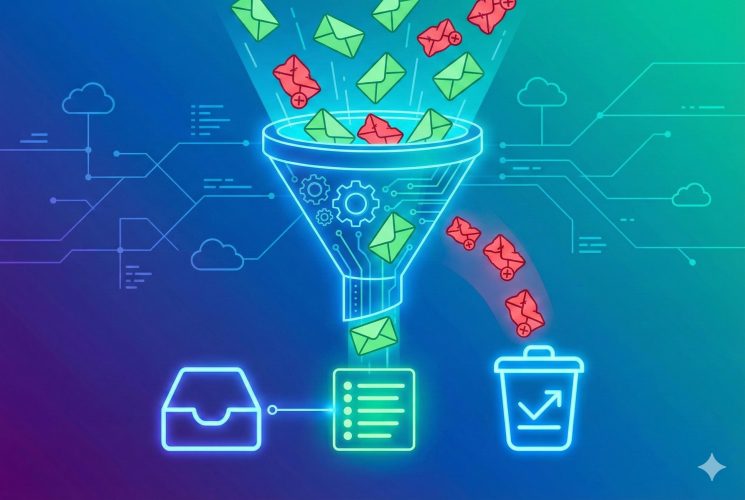
Maintaining a clean and organized email list is crucial for any business or organization that relies on email marketing. The health of your email list directly impacts your overall marketing success. A well-maintained list ensures that your messages reach the intended recipients, enhancing engagement and conversion rates.
When you prioritize list hygiene, you improve your sender reputation and increase the likelihood of your emails landing in the inbox rather than the spam folder. List hygiene extends beyond removing inactive subscribers; it enables better understanding of your audience. By regularly cleaning your list, you can identify trends and preferences among your subscribers.
This knowledge allows you to tailor your content and offers to meet their needs more effectively. Good list hygiene is a proactive approach that fosters stronger relationships with your audience, ultimately leading to higher retention and loyalty.
Key Takeaways
- Maintaining list hygiene is crucial for email deliverability and engagement.
- Understanding and managing different types of bounces helps keep email lists clean.
- Automatic bounce handling streamlines the process and improves efficiency.
- Regular monitoring and reducing bounce rates protect sender reputation.
- Implementing best practices ensures long-term success in email marketing campaigns.
Understanding Bounce Rules
To effectively manage your email campaigns, it’s essential to grasp the concept of bounce rules. Bounces occur when an email cannot be delivered to a recipient’s inbox, and understanding the rules surrounding them can help you maintain a healthy email list. There are two primary types of bounces: soft bounces and hard bounces.
Understanding these distinctions is vital for your email marketing strategy. When you receive a hard bounce, it’s a clear signal that the email address is no longer valid, and you should remove it from your list.
On the other hand, soft bounces may require further investigation before deciding whether to keep or remove the address. By familiarizing yourself with bounce rules, you can make informed decisions that enhance your list hygiene and improve your overall email deliverability.
Types of Bounces

As you delve deeper into the world of email marketing, it’s important to recognize the different types of bounces that can occur. Soft bounces are often seen as temporary setbacks; they can happen for various reasons, such as a recipient’s mailbox being full or a temporary server issue. These bounces usually resolve themselves over time, but they still require attention.
If an email address continues to soft bounce over multiple campaigns, it may be time to consider removing it from your list. In contrast, hard bounces are more serious and indicate a permanent issue with the email address. This could be due to misspellings, closed accounts, or domains that no longer exist.
Understanding these types of bounces allows you to take appropriate action and ensures that your email campaigns remain effective and efficient.
Automatic Bounce Handling
In today’s fast-paced digital landscape, manual management of bounce rates can be overwhelming. This is where automatic bounce handling comes into play. By implementing automated systems to manage bounces, you can save time and reduce the risk of human error.
Many email marketing platforms offer built-in features that automatically categorize bounces and take appropriate actions based on predefined rules. With automatic bounce handling, you can set parameters for how to deal with soft and hard bounces. For instance, you might choose to automatically remove hard bounces from your list while flagging soft bounces for further review after a certain number of occurrences.
This automation not only streamlines your processes but also ensures that your email list remains clean and up-to-date without requiring constant manual oversight.
Benefits of Automatic Bounce Rules
| Metric | Description | Recommended Threshold | Impact on List Hygiene |
|---|---|---|---|
| Hard Bounce Rate | Percentage of emails that permanently fail to deliver due to invalid addresses | < 2% | High rates indicate poor list quality; automatic removal improves deliverability |
| Soft Bounce Rate | Percentage of emails temporarily undeliverable due to mailbox full or server issues | < 5% | Repeated soft bounces should trigger removal to prevent reputation damage |
| Auto-Removal Trigger | Number of bounce occurrences before automatic removal from list | 3 consecutive bounces | Prevents sending to invalid addresses, maintaining list hygiene |
| Feedback Loop Rate | Percentage of recipients marking emails as spam | < 0.1% | High rates require list cleaning and rule adjustment to reduce complaints |
| List Growth Rate | Rate at which new subscribers are added | Consistent positive growth | Healthy list growth combined with bounce management maintains hygiene |
| Removal Confirmation Time | Time taken to remove bounced addresses after detection | < 24 hours | Quick removal reduces risk of repeated bounces and sender reputation damage |
The advantages of implementing automatic bounce rules are numerous and can significantly enhance your email marketing efforts. First and foremost, automation saves you valuable time that can be better spent on crafting engaging content or strategizing future campaigns. By allowing technology to handle bounce management, you free yourself from the tedious task of manually tracking and removing invalid addresses.
Additionally, automatic bounce rules help maintain a positive sender reputation. Internet service providers (ISPs) monitor bounce rates closely; high bounce rates can lead to your emails being flagged as spam or even blocked entirely. By automatically managing bounces, you ensure that your email list remains healthy, which in turn improves deliverability rates and increases the chances of your messages reaching their intended audience.
Setting Up Automatic Bounce Rules

Setting up automatic bounce rules may seem daunting at first, but most email marketing platforms provide user-friendly interfaces to guide you through the process. Start by accessing the settings or preferences section of your chosen platform. Here, you’ll typically find options for managing bounces and setting rules for how to handle them.
Begin by defining what constitutes a hard bounce versus a soft bounce within your system. Once you have established these parameters, you can set rules for how many soft bounces will trigger an action—such as flagging the address for review or temporarily suspending it from future campaigns. For hard bounces, configure the system to automatically remove these addresses from your list upon detection.
By taking these steps, you’ll create a robust framework for managing bounces efficiently.
Monitoring Bounce Rates
Once you have implemented automatic bounce handling, it’s essential to monitor your bounce rates regularly. Keeping an eye on these metrics will provide valuable insights into the health of your email list and the effectiveness of your campaigns. Most email marketing platforms offer analytics dashboards that display bounce rates alongside other key performance indicators (KPIs), making it easy for you to track changes over time.
Monitoring bounce rates allows you to identify patterns or spikes that may indicate underlying issues with your email list or campaign strategies. For example, if you notice an increase in hard bounces after a particular campaign, it may be worth investigating whether there were errors in data collection or if certain segments of your audience are no longer engaged. By staying vigilant about bounce rates, you can make informed decisions that enhance your overall email marketing strategy.
Reducing Bounce Rates
Reducing bounce rates is an ongoing process that requires attention and strategy. One effective way to minimize bounces is by ensuring that your data collection methods are accurate and reliable. When capturing email addresses through sign-up forms or lead generation campaigns, double-checking for typos or errors can significantly reduce the likelihood of hard bounces later on.
Another strategy involves regularly engaging with your subscribers to keep them interested in your content. Sending re-engagement campaigns to inactive subscribers can help identify those who are still interested in receiving emails versus those who have lost interest altogether. By actively managing engagement levels within your list, you can reduce the number of inactive addresses that contribute to high bounce rates.
Ensuring Deliverability
Ensuring deliverability is a critical aspect of successful email marketing that goes hand in hand with maintaining good list hygiene. Deliverability refers to the ability of your emails to reach recipients’ inboxes rather than being filtered into spam folders or blocked entirely. A clean email list is one of the most significant factors influencing deliverability; ISPs favor senders with low bounce rates and high engagement levels.
To enhance deliverability further, consider implementing authentication protocols such as SPF (Sender Policy Framework) and DKIM (DomainKeys Identified Mail). These protocols verify that your emails are coming from legitimate sources and help build trust with ISPs. Additionally, regularly monitoring engagement metrics—such as open rates and click-through rates—can provide insights into how well your emails resonate with recipients, allowing you to make necessary adjustments for improved deliverability.
Best Practices for List Hygiene
To maintain optimal list hygiene, there are several best practices you should adopt consistently. First and foremost, regularly clean your email list by removing inactive subscribers and hard bounces promptly. This practice not only improves deliverability but also ensures that you’re focusing on an audience genuinely interested in your content.
Another best practice involves segmenting your email list based on subscriber behavior and preferences. By tailoring content to specific segments, you increase engagement levels and reduce the likelihood of recipients marking your emails as spam. Additionally, consider implementing double opt-in processes for new subscribers; this extra step ensures that only those genuinely interested in receiving emails make it onto your list.
The Future of List Hygiene
As technology continues to evolve, so too will the practices surrounding list hygiene in email marketing. The future will likely see even more sophisticated tools and automation features designed to streamline bounce management and enhance deliverability further. Staying ahead of these trends will be essential for marketers looking to maintain effective communication with their audiences.
Ultimately, prioritizing list hygiene is not just about maintaining a clean database; it’s about fostering meaningful connections with your subscribers. As you embrace best practices and leverage automation tools, you’ll position yourself for success in an increasingly competitive digital landscape. By focusing on delivering value through well-maintained lists, you’ll ensure that your email marketing efforts yield positive results for years to come.
To enhance your email marketing efforts, it’s essential to maintain high list hygiene, and configuring automatic bounce rules is a crucial step in this process. For further insights on effective email marketing strategies, you may find the article on 7 Email Marketing Strategies for Extravagant Results particularly useful. This resource provides valuable tips that can complement your efforts in managing your email lists effectively.
FAQs
What are automatic bounce rules in email marketing?
Automatic bounce rules are predefined settings in email marketing platforms that identify and manage bounced emails. These rules help automatically remove or suppress email addresses that consistently fail to receive messages, maintaining the health of your mailing list.
Why is it important to configure automatic bounce rules?
Configuring automatic bounce rules is essential to maintain high list hygiene, improve email deliverability, reduce spam complaints, and protect sender reputation. It ensures that your emails reach valid recipients and minimizes the risk of being flagged as spam.
What types of bounces do automatic bounce rules typically handle?
Automatic bounce rules usually handle two main types of bounces: hard bounces and soft bounces. Hard bounces indicate permanent delivery failures (e.g., invalid email addresses), while soft bounces are temporary issues (e.g., full inbox). Rules can be set to act differently based on bounce type.
How do automatic bounce rules improve email deliverability?
By automatically removing or suppressing invalid or problematic email addresses, bounce rules reduce the number of failed deliveries. This improves sender reputation with Internet Service Providers (ISPs), leading to higher inbox placement rates and better overall deliverability.
Can automatic bounce rules be customized?
Yes, most email marketing platforms allow customization of bounce rules. You can set thresholds for the number of soft bounces before removal, specify actions for different bounce types, and tailor rules to fit your specific list management needs.
What happens if bounce rules are not configured properly?
If bounce rules are not properly configured, your mailing list may retain invalid or inactive email addresses. This can lead to increased bounce rates, damage to sender reputation, lower deliverability, and potential blacklisting by ISPs.
How often should bounce rules be reviewed or updated?
Bounce rules should be reviewed regularly, especially when you notice changes in bounce rates or deliverability issues. Periodic updates ensure that the rules remain effective and aligned with current email marketing best practices.
Are automatic bounce rules compliant with email regulations?
Yes, properly configured automatic bounce rules help maintain compliance with email regulations like CAN-SPAM and GDPR by ensuring that emails are sent only to valid and consenting recipients, reducing the risk of spam complaints.
Do automatic bounce rules affect subscriber engagement?
By removing invalid or inactive email addresses, bounce rules help focus your campaigns on engaged subscribers. This can lead to higher open and click-through rates, as your emails reach a more interested and active audience.
Can bounce rules be integrated with other list hygiene practices?
Absolutely. Automatic bounce rules are often part of a broader list hygiene strategy that includes regular list cleaning, suppression of unsubscribes, and verification of new subscribers to maintain a healthy and responsive email list.