


An autoresponder series is an automated sequence of pre-written emails that delivers content to subscribers at predetermined intervals. This email marketing tool enables businesses to maintain consistent communication with their audience without manual intervention for each message. The primary functions of autoresponder series include subscriber nurturing, information delivery, and customer journey guidance.
These automated sequences operate continuously, sending targeted content based on subscriber actions or time-based triggers. This automation allows businesses to allocate resources to other operational areas while maintaining regular contact with their email list. Autoresponder series facilitate brand consistency by delivering uniform messaging and tone across multiple touchpoints.
Each email within the sequence can build upon previous messages, creating a structured communication flow that reinforces key brand elements and value propositions. This systematic approach supports subscriber retention and can contribute to conversion rate optimization. Effective autoresponder implementation requires alignment between email content and business objectives.
The series should address subscriber needs and interests while advancing prospects through defined stages of the sales funnel. When properly executed, autoresponder series can increase engagement metrics and contribute to revenue generation through systematic relationship building and strategic content delivery.
Key Takeaways
- Autoresponder series help automate communication and nurture subscriber relationships effectively.
- Selecting the right email marketing platform is crucial for managing and optimizing your campaigns.
- Personalization and engaging content increase email relevance and subscriber interaction.
- Regular testing, segmentation, and performance analysis improve email effectiveness over time.
- Incorporating clear calls to action and iterating based on feedback drives better results.
Choosing the Right Email Marketing Platform
Selecting the right email marketing platform is a pivotal step in setting up your autoresponder series. With numerous options available, it’s essential to evaluate each platform based on your specific needs and goals. Consider factors such as ease of use, automation capabilities, and integration with other tools you may be using.
A user-friendly interface can save you time and frustration, allowing you to focus on crafting compelling content rather than navigating complex software. Additionally, look for platforms that offer robust analytics and reporting features. Understanding how your emails perform is crucial for optimizing your autoresponder series.
You want a platform that provides insights into open rates, click-through rates, and subscriber engagement. This data will help you make informed decisions about your email strategy and refine your approach over time. Ultimately, choosing the right email marketing platform sets the foundation for a successful autoresponder series that effectively engages your audience.
Creating a Welcome Email for New Subscribers
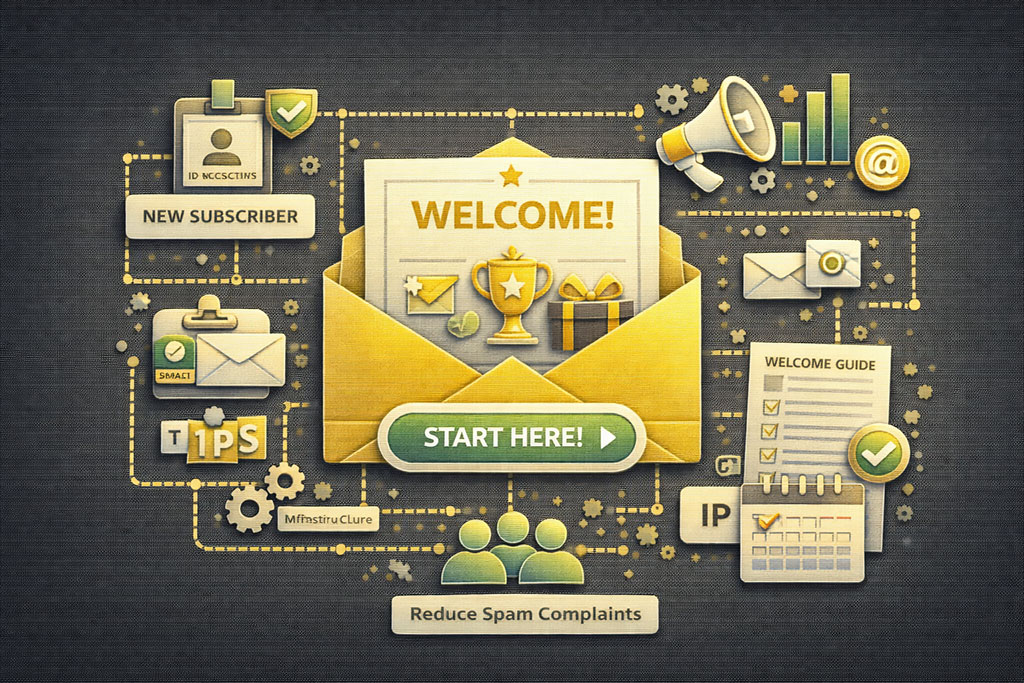
The welcome email is often the first point of contact between you and your new subscribers, making it a critical component of your autoresponder series. This email should not only express gratitude for their subscription but also set the tone for future communications. A warm and inviting welcome can make subscribers feel valued and excited about what’s to come.
Consider including a brief introduction about yourself or your brand, along with what they can expect from your emails moving forward. In addition to setting expectations, a well-crafted welcome email can also serve as an opportunity to provide immediate value. You might include a special offer, a free resource, or links to popular content on your website.
This not only incentivizes subscribers to engage with your brand right away but also reinforces the idea that they made a wise decision by signing up. By creating an engaging welcome email, you lay the groundwork for a positive relationship with your audience from the very beginning.
Crafting Engaging Content for Your Autoresponder Series
Once you have established a welcoming tone with your initial email, the next step is to focus on crafting engaging content for the rest of your autoresponder series. Each email should provide value to your subscribers while aligning with their interests and needs. Think about what information or resources would be most beneficial to them at different stages of their journey.
Whether it’s educational content, product recommendations, or exclusive offers, ensure that each email serves a purpose. Moreover, storytelling can be an effective way to engage your audience. Sharing personal anecdotes or customer success stories can create an emotional connection that resonates with readers.
People are more likely to engage with content that feels relatable and authentic. Additionally, consider incorporating visuals such as images or videos to enhance the overall experience. By focusing on creating engaging content, you can keep your subscribers interested and eager to receive more from your autoresponder series.
Establishing the Frequency of Your Emails
| Number of Emails in Series | Total emails sent automatically after signup | 3-7 emails | Start with a welcome email followed by educational and promotional content |
| Time Interval Between Emails | Delay between sending each email | 1-3 days | Adjust based on audience engagement and content length |
| Open Rate | Percentage of recipients who open the emails | 40%-60% | Higher rates indicate effective subject lines and timing |
| Click-Through Rate (CTR) | Percentage of recipients who click links within emails | 5%-15% | Measures engagement and interest in content |
| Conversion Rate | Percentage of recipients who complete desired action (purchase, signup) | 2%-5% | Depends on offer and call-to-action clarity |
| Unsubscribe Rate | Percentage of recipients who opt out from the series | Less than 1% | Keep content relevant to minimize unsubscribes |
| Personalization Level | Use of recipient’s name or tailored content | High | Increases engagement and open rates |
| Subject Line Length | Number of characters in email subject | 40-60 characters | Concise and clear subject lines perform better |
Determining the frequency of your emails is another critical aspect of managing your autoresponder series. Striking the right balance is essential; you want to stay top-of-mind without overwhelming your subscribers’ inboxes. A common approach is to start with a more frequent schedule when subscribers first join—perhaps sending emails every few days—before gradually transitioning to a less frequent cadence as they become more familiar with your brand.
It’s also important to consider your audience’s preferences when establishing frequency. Some subscribers may appreciate regular updates and insights, while others might prefer less frequent communication. You could even include options in your welcome email or subsequent communications that allow subscribers to choose their preferred frequency.
By being mindful of how often you send emails, you can maintain engagement while respecting your audience’s time and attention.
Personalizing Your Emails for Your Audience
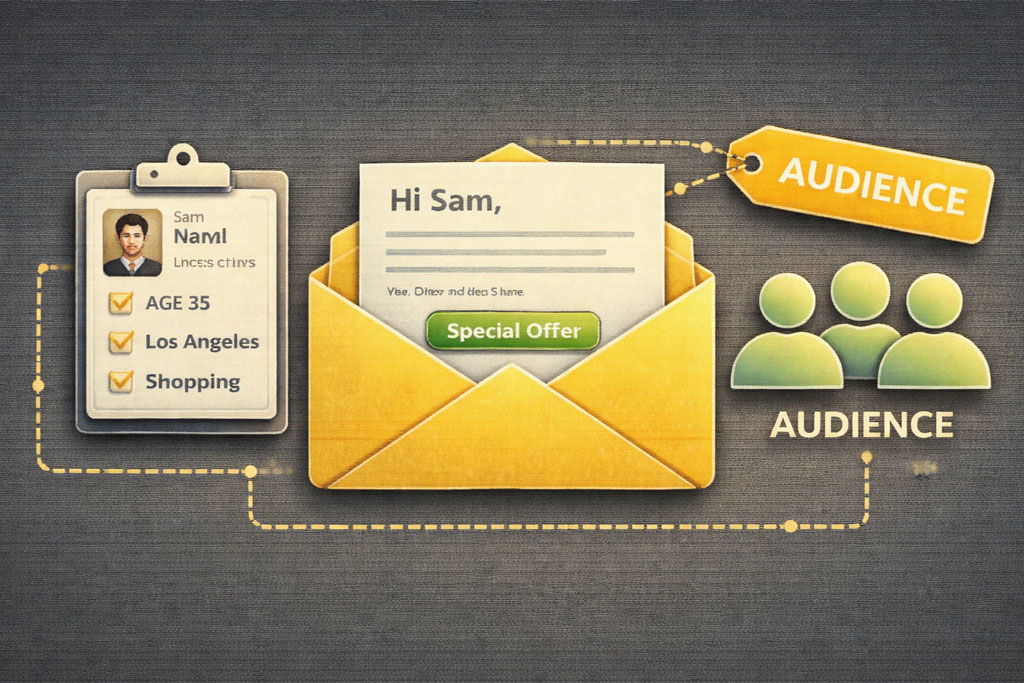
Personalization is key to making your autoresponder series resonate with subscribers on a deeper level. When you tailor your emails based on subscriber data—such as their name, preferences, or past interactions—you create a more meaningful experience that fosters connection and loyalty. Simple touches like addressing recipients by their first name can significantly enhance engagement rates and make subscribers feel valued.
Beyond basic personalization, consider segmenting your audience based on their interests or behaviors. This allows you to send targeted content that speaks directly to their needs and desires. For instance, if you run an e-commerce store, you might segment subscribers based on their purchase history or browsing behavior, enabling you to recommend products that align with their preferences.
By incorporating personalization into your autoresponder series, you can create a more relevant and impactful experience for each subscriber.
Incorporating Calls to Action in Your Emails
Every email in your autoresponder series should include a clear call to action (CTA) that guides subscribers toward the next step you want them to take. Whether it’s visiting your website, downloading a resource, or making a purchase, a well-crafted CTA can significantly influence subscriber behavior. Make sure your CTAs are compelling and easy to understand; use action-oriented language that encourages readers to take immediate action.
Additionally, consider placing CTAs strategically within your emails. You might include them at the end of the email or even within the body text where they naturally fit. Experimenting with different placements can help you determine what works best for your audience.
Remember that effective CTAs not only drive engagement but also contribute to achieving your overall business goals by guiding subscribers through their journey.
Testing and Optimizing Your Autoresponder Series
To ensure the success of your autoresponder series, it’s essential to continuously test and optimize your emails based on performance data. A/B testing is a valuable technique that allows you to compare different versions of an email—such as subject lines, content formats, or CTAs—to see which performs better with your audience. By analyzing the results of these tests, you can make informed decisions about what resonates most with subscribers.
Optimization doesn’t stop at testing; it also involves regularly reviewing key metrics such as open rates, click-through rates, and conversion rates. If certain emails underperform, take the time to analyze why that might be the case and make necessary adjustments.
This could involve tweaking subject lines for better engagement or refining content to better align with subscriber interests.
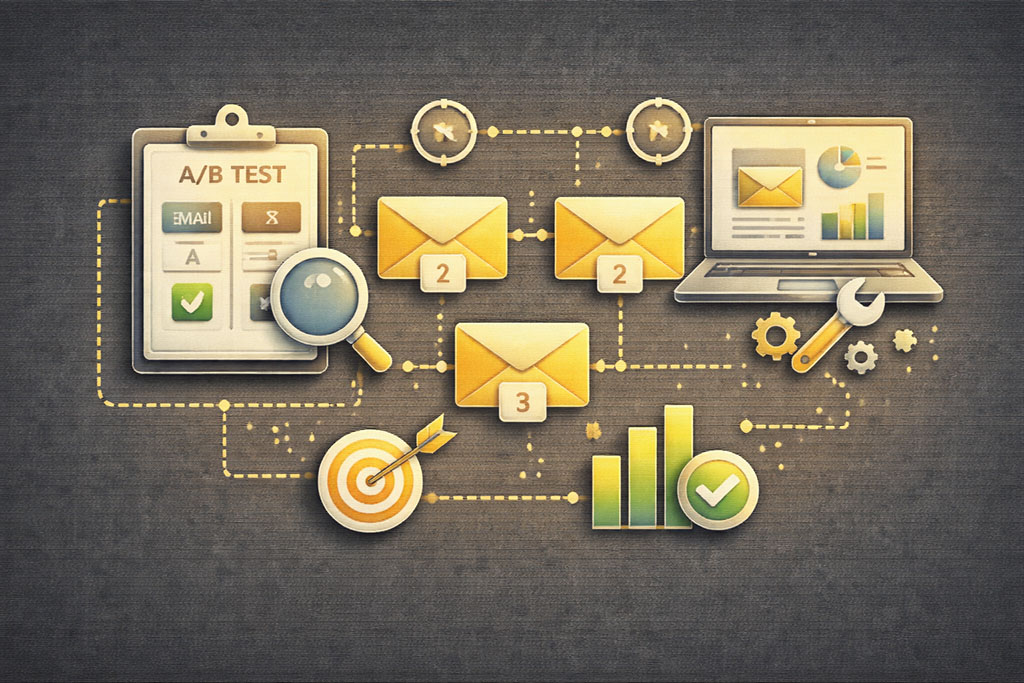
By committing to ongoing testing and optimization, you can enhance the effectiveness of your autoresponder series over time.
Segmenting Your Audience for Targeted Emails
Audience segmentation is a powerful strategy that allows you to tailor your autoresponder series for different groups within your subscriber base. By dividing your audience into segments based on criteria such as demographics, interests, or behaviors, you can create targeted emails that speak directly to each group’s unique needs and preferences. This level of personalization can lead to higher engagement rates and improved conversion outcomes.
For example, if you run a fitness brand, you might segment subscribers based on their fitness goals—such as weight loss or muscle gain—and send tailored content that addresses those specific objectives. This not only enhances the relevance of your emails but also demonstrates that you understand and care about your subscribers’ individual journeys. By implementing audience segmentation in your autoresponder series, you can foster stronger connections with each group while driving better results for your business.
Monitoring and Analyzing the Performance of Your Autoresponder Series
Monitoring and analyzing the performance of your autoresponder series is crucial for understanding its effectiveness and making data-driven decisions moving forward. Utilize the analytics tools provided by your email marketing platform to track key metrics such as open rates, click-through rates, unsubscribe rates, and conversion rates. These insights will help you gauge how well each email resonates with subscribers and identify areas for improvement.
In addition to quantitative data, consider gathering qualitative feedback from subscribers as well.
You might include surveys or feedback forms within some of your emails to gain insights into what they enjoy or what they would like to see more of in future communications.
By combining both quantitative and qualitative analysis, you can develop a comprehensive understanding of how well your autoresponder series is performing and make informed adjustments accordingly.
Implementing Feedback and Iterating on Your Autoresponder Series
Finally, implementing feedback from both analytics and subscriber input is essential for iterating on your autoresponder series over time. As trends change and subscriber preferences evolve, it’s important to remain flexible and willing to adapt your approach based on what you learn from ongoing analysis. Regularly revisiting and refining your content ensures that it remains relevant and valuable to your audience.
Consider setting aside time every few months to review performance data and subscriber feedback comprehensively. Identify patterns or recurring themes that emerge from this analysis and use them as a basis for making updates or changes to your autoresponder series. By actively seeking feedback and iterating on your approach, you can create an evolving email marketing strategy that continues to engage and resonate with subscribers long-term.
In conclusion, mastering the art of creating an effective autoresponder series requires careful planning and execution across various elements—from understanding its purpose to monitoring performance metrics. By following these guidelines and remaining committed to continuous improvement, you can build an autoresponder series that not only nurtures relationships with subscribers but also drives meaningful results for your business.
When setting up your first autoresponder series for new signups, it’s essential to understand how to effectively reach your audience. A related article that can help you refine your approach is Narrow Your Target Audience Using Custom Criteria While Scheduling Campaigns. This resource provides valuable insights on segmenting your audience, ensuring that your autoresponder messages resonate with the right people, ultimately enhancing engagement and conversion rates.
FAQs
What is an autoresponder series?
An autoresponder series is a sequence of pre-written emails that are automatically sent to new subscribers or signups over a set period of time. It helps nurture leads, provide valuable information, and build relationships without manual intervention.
Why should I set up an autoresponder series for new signups?
Setting up an autoresponder series ensures that new subscribers receive timely and consistent communication. It helps engage your audience, introduce your brand or product, and guide them through the customer journey effectively.
How many emails should be included in a first autoresponder series?
The number of emails can vary, but a common approach is to include between 3 to 7 emails spaced out over days or weeks. This allows you to gradually provide value, build trust, and encourage action without overwhelming the subscriber.
What content should I include in my autoresponder emails?
Content should be relevant and valuable to your audience. Common elements include a welcome message, an introduction to your brand or product, educational content, answers to frequently asked questions, testimonials, and clear calls to action.
How do I set up an autoresponder series technically?
Most email marketing platforms offer autoresponder or automation features. You typically create a new automation workflow, define the trigger (such as a new signup), write your sequence of emails, and set the timing between each email.
Can I personalize autoresponder emails?
Yes, most email marketing tools allow personalization using subscriber data such as their name, location, or past interactions. Personalization can increase engagement and make your emails feel more relevant.
How do I measure the success of my autoresponder series?
Key metrics to track include open rates, click-through rates, conversion rates, and unsubscribe rates. Monitoring these helps you understand how well your emails are performing and where improvements can be made.
Is it necessary to update my autoresponder series regularly?
Yes, regularly reviewing and updating your autoresponder series ensures that content remains relevant, reflects any changes in your offerings, and continues to meet the needs of your audience.
Can I segment my autoresponder series for different types of subscribers?
Absolutely. Segmenting your audience based on factors like interests, behavior, or demographics allows you to tailor your autoresponder series for better engagement and results.
Are there any legal considerations when sending autoresponder emails?
Yes, you must comply with email marketing laws such as the CAN-SPAM Act or GDPR. This includes obtaining explicit consent from subscribers, providing an easy way to unsubscribe, and including your contact information in emails.