

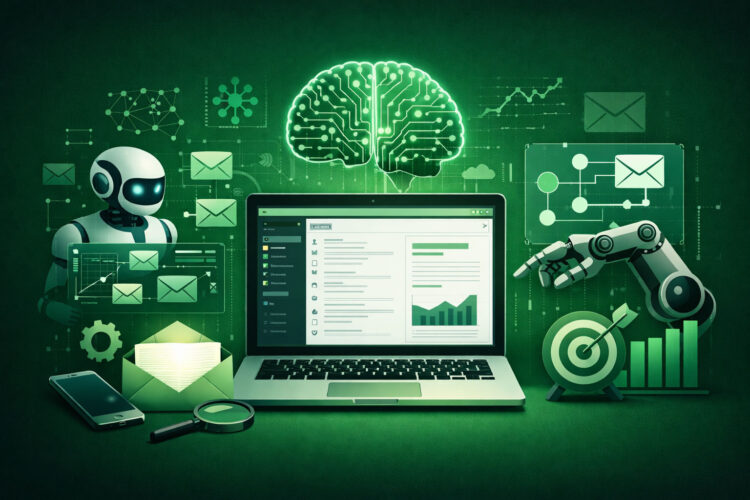
You’ve likely used email today, perhaps even multiple times. It’s an indispensable communication channel, a digital workhorse that has consistently adapted and evolved over the decades since its inception. While its fundamental purpose remains unchanged – to transmit messages electronically – the tools you use to interact with it have undergone a profound transformation. This evolution, particularly accelerated in recent years, is inextricably linked to the integration of Artificial Intelligence (AI) and Machine Learning (ML). These technologies are not merely cosmetic enhancements; they are fundamental architects reshaping your inbox experience, offering capabilities that would have seemed fantastical just a decade ago.
The journey of email tools mirrors the broader trajectory of digital technology – from rudimentary functionality to sophisticated, intelligent assistance. Initially, email clients were simple interfaces, primarily concerned with sending, receiving, and organizing messages. Think of them as basic filing cabinets for your digital correspondence. Today, however, you interact with tools that learn your habits, anticipate your needs, and proactively manage the deluge of information that lands in your inbox. This shift represents a move from passive communication to active, intelligent collaboration, where your email client is no longer just a conduit but a discreet, ever-present assistant.
The concept of making email “smarter” didn’t emerge overnight. You can trace early attempts at incorporating intelligence into email platforms back to the late 1990s and early 2000s, though these were rudimentary by today’s standards. These initial forays laid the groundwork for the more advanced AI and ML capabilities you experience now.
Spam Filtering: The First Line of Defense
One of the earliest and most impactful applications of AI in email, which you undoubtedly benefit from daily, is spam filtering. Without it, your inbox would be an unusable torrent of unsolicited advertisements and malicious content. Early spam filters relied on rule-based systems, where you or the system administrator would define keywords or sender addresses to block. This was a reactive approach, effectively playing “whack-a-mole” with spammers.
- Rule-Based Systems: You might recall email clients allowing you to set up rules like “delete messages from sender X” or “move messages with ‘Viagra’ to junk.” These required manual intervention and constant updating as spammers became more sophisticated.
- Heuristic Analysis: A step forward involved heuristic analysis, where algorithms would analyze various characteristics of an email (e.g., sender reputation, common spam phrases, unusual formatting) to assign a “spam score.” Emails exceeding a certain score would be flagged. This was a more proactive measure.
Basic Categorization and Prioritization
Beyond spam, early intelligent features also began to address the sheer volume of email. You might recall rudimentary attempts at categorizing emails based on sender or subject lines.
- Folder-Based Rules: Many email clients allowed you to create rules to automatically move emails from specific senders or with certain keywords into designated folders. This required your explicit configuration but helped with organization.
- Simple Prioritization Tags: Some systems began to introduce basic tags like “important” or “unread,” often a manual classification by you, the user, rather than an automated process. These were early, albeit limited, attempts to help you surface critical communications.
In addition to exploring how AI and machine learning are revolutionizing email tools, it’s essential to consider the importance of effective email segmentation in maximizing engagement and conversion rates. A related article that delves into this topic is available at Email Segmentation: How to Create a Segment on Mumara, which provides valuable insights on how to create targeted segments for your email campaigns. This approach, combined with advanced AI techniques, can significantly enhance the effectiveness of your email marketing strategies.
Machine Learning Takes the Reins: From Rules to Learning
The true inflection point in the evolution of email tools came with the widespread adoption of machine learning. Unlike rule-based systems, which require explicit programming for every scenario, ML algorithms learn from data, identifying patterns and making predictions without being explicitly programmed for each task. This shift liberated email tools from rigid rules and ushered in a new era of adaptability and intelligence.
Advanced Spam and Phishing Detection
ML revolutionized spam filtering. Instead of relying on static rules, algorithms now continuously learn from vast datasets of legitimate and illegitimate emails. This dynamic learning allows them to adapt to new spamming techniques and detect threats that haven’t been explicitly defined.
- Supervised Learning: Mail providers train models on large datasets labeled as “spam” or “not spam.” The model then learns the features that distinguish spam from legitimate email, such as grammatical errors, suspicious links, and unusual sending patterns.
- Unsupervised Learning: Some systems use unsupervised learning to identify anomalies. For example, if a sudden surge of emails with similar characteristics appears, it might be flagged as a potential phishing campaign, even if it doesn’t match known spam patterns.
- Zero-Day Threat Detection: ML enables the detection of “zero-day” phishing and malware attacks – threats that are brand new and haven’t been seen before. By analyzing deviations from normal email traffic and content, ML algorithms can often identify these novel attacks before they cause harm to you or your organization.
Intelligent Inbox Management and Categorization
The ability of ML to analyze vast amounts of data and identify subtle patterns has transformed how your inbox is managed. You no longer have to manually sort every email; your email client often does it for you, silently and effectively.
- Automatic Tab/Category Sorting: Gmail’s “Primary,” “Social,” “Promotions,” and “Updates” tabs are prime examples of ML at work. The system learns what type of content belongs in each category based on your past interactions, sender patterns, and content analysis.
- Importance Prediction: Algorithms learn from your past interactions (which emails you open, reply to, archive, or delete) to predict the importance of new incoming messages. Emails from frequent contacts or those related to ongoing projects are often highlighted or prioritized for your attention.
- Bundling and Summarization: Some advanced clients now bundle related emails (e.g., all emails from a specific sender or about a particular topic) or even generate concise summaries of long email threads, saving you valuable time. Think of it as a digital archivist, intelligently organizing your correspondence.
Predictive Capabilities and Automation: Working Smarter, Not Harder
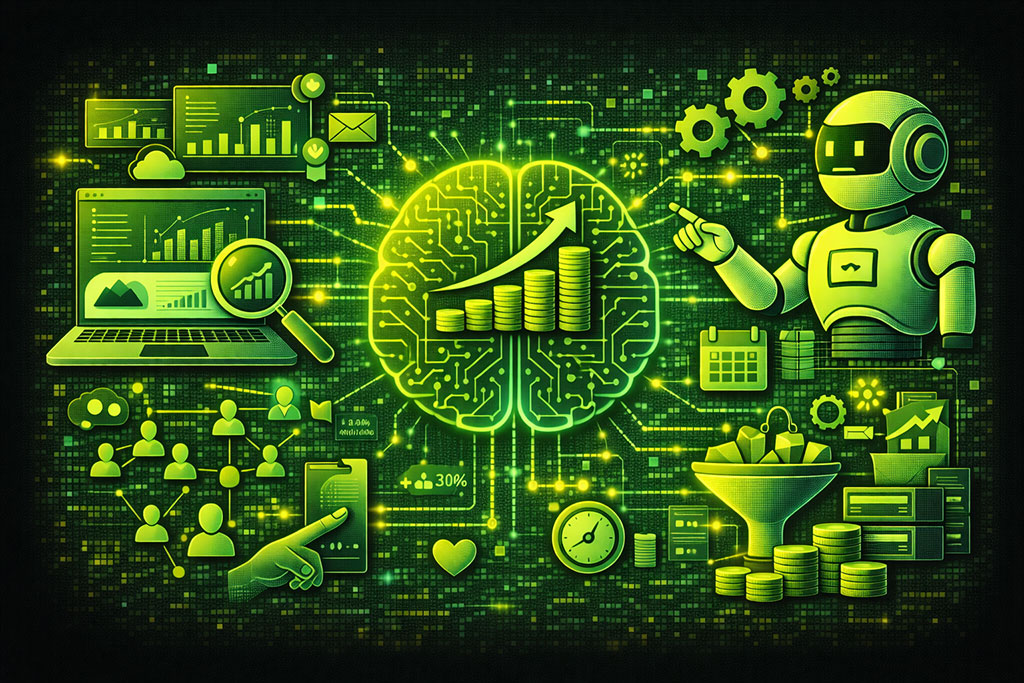
Beyond sorting and filtering, AI and ML have empowered email tools with predictive capabilities, allowing them to anticipate your needs and automate routine tasks. This translates directly into increased productivity for you, reducing the cognitive load associated with managing a busy inbox.
Smart Replies and Suggested Actions
You’ve likely encountered “Smart Reply” suggestions—those short, contextually relevant responses that appear below an email. These are generated by sophisticated ML models.
- Natural Language Processing (NLP): At the core of Smart Reply is NLP, a branch of AI that enables computers to understand, interpret, and generate human language. The system analyzes the content of the incoming email and suggests short, common responses based on context and your past communication patterns.
- Ethical Considerations and Limitations: While convenient, it’s important for you to remember that these suggestions are machine-generated. They may not always capture the nuances of your intended message or your unique voice. They serve as starting points, not definitive answers.
- Suggested Meetings and Calendar Integration: Further leveraging NLP, email clients can often detect potential meeting requests within an email and suggest adding them to your calendar, pre-filling details like date, time, and attendees. This seamless integration streamlines scheduling.
Task Extraction and Follow-up Reminders
Your inbox is often a repository of tasks and commitments. AI-powered tools are now helping you manage these more effectively.
- Actionable Item Detection: ML algorithms can scan your emails for phrases indicating tasks or commitments (“I will send you the report by Friday,” “Please review this document”). They can then flag these as potential tasks, allowing you to add them to your to-do list with a single click.
- Automated Follow-up Suggestions: If a critical email goes unanswered for a certain period, some systems can subtly remind you to follow up. This is based on ML models that learn which types of emails typically require a response and your usual response times.
Enhanced Security and Privacy: Beyond Basic Protection

While productivity and organization are clear benefits, AI and ML also play an increasingly critical role in making your email communication more secure and private. The arms race between cybercriminals and security professionals is ongoing, and AI offers a powerful advantage.
Advanced Threat Detection and Prevention
The capabilities of AI extend far beyond merely identifying known spam. They are crucial in combating sophisticated cyber threats.
- Behavioral Analysis: Rather than just looking for known malicious code or links, AI-powered security systems analyze the behavior of emails. For example, an email that exhibits unusual sending patterns, attempts to bypass security filters, or requests sensitive information in an atypical manner might be flagged as suspicious, even if its content seems innocuous.
- Anomaly Detection: Machine learning models can establish a baseline of “normal” email behavior for you and your organization. Any significant deviation from this baseline – such as an email from a trusted sender with an uncharacteristic tone or a link to a file type never before sent – can trigger an alert.
- Deep Learning for Phishing URLs: Deep learning models are adept at analyzing URLs for subtle signs of phishing, even for newly created deceptive websites. They can detect discrepancies in domain names, unusual character combinations, and other indicators that might be missed by traditional scanning methods.
Data Privacy and Compliance Assistance
As data privacy regulations like GDPR and CCPA become more prevalent, AI is beginning to assist in ensuring compliance within email communication.
- Sensitive Information Detection: ML algorithms can be trained to identify and flag sensitive information (e.g., credit card numbers, social security numbers, personal health information) within emails, helping to prevent accidental data breaches.
- Retention Policy Enforcement: For organizations, AI can aid in enforcing email retention policies by automatically categorizing and archiving emails based on their content and regulatory requirements.
As businesses increasingly rely on advanced technologies, the integration of AI and machine learning into email tools is becoming a game changer for marketing strategies. These innovations not only enhance personalization but also improve engagement rates significantly. For those looking to further optimize their email campaigns, exploring how to effectively incorporate multimedia elements can be beneficial. A related article discusses the advantages of embedding video in emails, which can create a more dynamic experience for recipients. You can read more about this topic in the article on maximizing video email embedding.
The Future Landscape: What’s Next for Your Inbox?
| Metric | Description | Impact of AI/ML | Example Tools |
|---|---|---|---|
| Email Open Rate | Percentage of recipients who open an email | AI optimizes send times and subject lines to increase open rates by up to 30% | Mailchimp, HubSpot |
| Click-Through Rate (CTR) | Percentage of recipients who click on links within an email | ML personalizes content to boost CTR by 20-25% | Salesforce Einstein, ActiveCampaign |
| Spam Detection Accuracy | Effectiveness in filtering out unwanted emails | AI-driven filters improve accuracy to over 99% | Gmail, Outlook |
| Response Time | Average time taken to reply to emails | AI-powered smart replies reduce response time by 40% | Google Smart Reply, Superhuman |
| Email Segmentation Efficiency | Ability to target specific audience groups | ML algorithms automate segmentation, increasing targeting precision by 35% | Marketo, Sendinblue |
| Content Generation Speed | Time taken to draft email content | AI-assisted writing tools reduce drafting time by 50% | Grammarly, Jasper |
The integration of AI and ML into email tools is far from complete. You can anticipate a continuous evolution, with your inbox becoming even more intelligent and proactive. The future promises a truly personalized and context-aware communication experience.
Hyper-Personalization and Contextual Awareness
Imagine an email client that understands not just the content of your emails but also your current availability, your ongoing projects, and even your emotional state.
- Proactive Information Retrieval: Your email client might proactively fetch relevant documents or information from other applications (e.g., your CRM, project management tool) to enrich an email contextually when you open it.
- Adaptive Notifications: Instead of generic notifications, you might receive alerts only for truly critical emails, tailored to your current focus and schedule. If you’re in a meeting, only an “urgent” email from your boss would trigger a notification, while others are silently queued.
- Personalized Content Curation: AI could learn your interests based on your email interactions and proactively highlight newsletters, articles, or updates that are most relevant to you, filtering out the noise.
Integration with Other AI-Powered Tools
The boundaries between your email client and other productivity tools will continue to blur, forming a more cohesive digital workspace.
- Advanced Voice Assistants: Deeper integration with voice assistants will allow you to dictate emails, summarize conversations, and manage your inbox entirely through voice commands.
- AI-Powered Writing Assistants: Beyond simple smart replies, you can expect sophisticated AI writing assistants embedded directly into your email composer, offering real-time grammar and style suggestions specific to your writing style and the recipient.
- Semantic Search and Knowledge Graphs: Your email search capabilities will become vastly more intelligent, allowing you to ask natural language questions (e.g., “Find all emails about the Q3 earnings report from Sarah last week”) and retrieve highly relevant information, even across different communication channels.
The humble email, a cornerstone of your digital life, is undergoing a profound metamorphosis. It’s transforming from a simple message carrier into an intelligent co-pilot, driven by the relentless innovation in AI and Machine Learning. You are experiencing this transformation firsthand, as your inbox becomes more organized, secure, and responsive to your needs. This ongoing evolution promises an even more streamlined and efficient communication experience for you in the years to come, fundamentally altering how you interact with one of your most essential digital tools.
FAQs
What are the main ways AI and machine learning improve email tools?
AI and machine learning enhance email tools by enabling smarter spam filtering, personalized content recommendations, automated email sorting, predictive text and response suggestions, and advanced analytics for better campaign targeting.
How does AI help in personalizing email content?
AI analyzes user behavior, preferences, and past interactions to tailor email content specifically to each recipient, increasing engagement rates and making communications more relevant.
Can machine learning improve email security?
Yes, machine learning algorithms can detect unusual patterns and potential phishing attempts, helping to protect users from malicious emails by identifying threats more accurately than traditional filters.
What role does AI play in automating email responses?
AI-powered tools can generate suggested replies based on the context of received emails, allowing users to respond quickly and efficiently, which is especially useful for customer support and sales teams.
Are AI-driven email tools beneficial for marketing campaigns?
Absolutely. AI helps marketers optimize send times, segment audiences, and analyze campaign performance, leading to higher open rates, better targeting, and improved return on investment.