

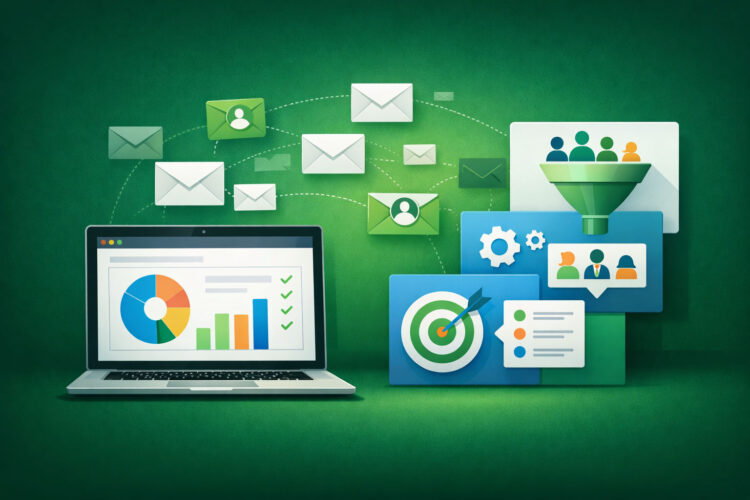
You stand at a crossroads. Your email marketing campaigns, while perhaps functional, may be failing to reach their full potential. The key to unlocking that potential lies in understanding your audience, and more precisely, in segmenting them. Email segmentation is not merely a tactic; it is a fundamental shift in how you perceive and interact with your subscribers. This guide will walk you through the continuum of email segmentation, from its foundational principles to sophisticated, multi-layered strategies.
Imagine you are a tailor offering a single suit size to all your customers. Some might find it fits adequately, others will drown in it, and many more will find it uncomfortably tight. Your email list, unsegmented, is that single suit size. Email segmentation, conversely, allows you to become a bespoke tailor, crafting messages that perfectly fit the individual needs and preferences of your subscribers.
Moving Beyond the Mass Blast
The “email blast” – a single message sent to an entire list – is a relic of a bygone era. In today’s saturated digital landscape, generic communications are often perceived as irrelevant, leading to low open rates, high unsubscribe rates, and ultimately, diminished ROI. You must recognize that your subscribers are not a monolithic entity. They are diverse individuals with varying interests, demographics, purchasing behaviors, and engagement levels.
The Tangible Benefits of a Segmented Approach
Embracing segmentation confers a myriad of benefits that directly impact your bottom line. You will observe significant improvements across key metrics:
- Increased Open Rates: When a subject line directly addresses a subscriber’s interests, they are more likely to open your email. This is analogous to a personalized invitation versus a generic flyer.
- Higher Click-Through Rates (CTRs): Relevant content within the email naturally encourages engagement. If you are selling dog food, sending offers to cat owners is unlikely to yield clicks.
- Reduced Unsubscribe Rates: Subscribers are less likely to opt-out if they consistently receive valuable, pertinent content. You are building a relationship, not just broadcasting.
- Improved Conversion Rates: Tailored offers and calls to action (CTAs) resonate more deeply, leading to a greater likelihood of desired actions, be it a purchase, a download, or a sign-up.
- Enhanced Customer Loyalty: By demonstrating an understanding of individual needs, you foster a sense of value and connection, nurturing long-term relationships with your audience.
For those looking to deepen their understanding of email marketing strategies, a related article titled “Triggered Email Marketing: Definition and Best Practices in 2023” offers valuable insights. This resource complements the concepts discussed in “Email Segmentation Explained: From Basics to Advanced” by exploring how triggered emails can enhance engagement and conversion rates. To read more about this topic, visit the article here: Triggered Email Marketing: Definition and Best Practices in 2023.
Getting Started: Basic Segmentation Strategies
Now that you understand the “why,” let’s delve into the “how.” You don’t need a complex AI-powered system to begin. Basic segmentation can be implemented with readily available data and straightforward methodologies.
Demographic Segmentation: Who Are Your Subscribers?
Demographic data provides a foundational layer for segmentation. It’s the most straightforward way to categorize your audience based on shared characteristics.
- Gender: While not always necessary, segmenting by gender can be useful for businesses selling gender-specific products (e.g., clothing, beauty products). You can tailor product recommendations and imagery accordingly.
- Age: Different age groups have distinct needs and preferences. A message targeted at a teenager will differ significantly from one aimed at a senior citizen. Consider language, tone, and product focus.
- Location: Geographic segmentation is crucial for businesses with physical stores, localized events, or region-specific promotions. You can send targeted announcements or adapt content to local cultural nuances.
- Income/Socioeconomic Status (Inferred): While direct income data is rarely collected, you can often infer it based on past purchase behavior or survey data. This allows you to tailor pricing strategies and product tiers.
Geographic Segmentation: Where Are Your Subscribers?
Beyond simple location, geographic segmentation can become more granular and powerful.
- Country/Region: Essential for international businesses to manage language barriers, currency, and local holidays.
- State/Province: Useful for regional events or localized legislation.
- City/Postcode: Extremely valuable for brick-and-mortar stores or service providers operating within specific areas. You can promote local events, store openings, or delivery notifications.
- Time Zone: Crucial for optimizing send times to ensure your emails arrive when your subscribers are most likely to open them, not in the middle of the night.
Intermediate Segmentation: Behavioral and Psychographic Insights

Once you’ve mastered the basics, you’re ready to deepen your understanding of your audience by analyzing their actions and their internal motivations. This moves beyond surface-level data to the heart of what drives engagement.
Behavioral Segmentation: What Do Your Subscribers Do?
Behavioral segmentation is arguably the most powerful form of segmentation, as it directly reflects how your subscribers interact with your brand and your emails.
- Purchase History: This is a goldmine. You can segment by:
- First-time Purchasers: Welcome them, provide onboarding instructions, and offer incentives for a second purchase.
- Repeat Purchasers: Reward loyalty, offer exclusive access, and suggest complementary products.
- High-Value Customers: Treat them as VIPs with special offers, early access, and personalized service.
- Customers Who Haven’t Purchased in X Time: Implement re-engagement campaigns with special offers or reminders of your products.
- Specific Product Categories Purchased: Recommend related products or send updates on those categories.
- Website Activity: Your website is a window into your subscribers’ interests. Track:
- Pages Visited: If someone frequently browses a particular product category, send them related content or offers.
- Items Added to Cart (Abandoned Cart): A crucial segment for recovery campaigns. Gently remind them of their unpurchased items.
- Downloads/Content Consumed: If they downloaded an ebook on “SEO best practices,” send them follow-up content on related topics.
- Search Queries on Your Site: Understand what they’re actively looking for.
- Email Engagement (Past Behavior): Your past email performance offers valuable clues.
- Open Rate (High vs. Low): Adjust frequency or content strategy based on engagement. Highly engaged users might appreciate more frequent communication. Less engaged users might need a re-engagement campaign.
- Click-Through Rate (High vs. Low): Similar to open rates, this indicates interest in your content.
- Unsubscribes: Analyze what messages led to unsubscribes to refine your strategy.
- Inactivity (Did Not Open X Emails): Identify “cold” subscribers who might need a re-engagement series or to be removed from your list to maintain deliverability.
Psychographic Segmentation: Why Do Your Subscribers Act the Way They Do?
While harder to quantify, psychographic segmentation provides a deeper understanding of your audience’s motivations and lifestyle. You often infer this data through surveys, quizzes, or analyzing their behavioral patterns.
- Interests/Hobbies: Directly ask subscribers about their interests during sign-up or through preference centers. This allows for highly targeted content. For example, a sports goods retailer could segment by specific sports.
- Values/Beliefs: If your brand aligns with certain values (e.g., sustainability, ethical sourcing), you can segment and appeal to subscribers who share these values.
- Lifestyle: Are they busy professionals? Stay-at-home parents? Students? Their lifestyle will influence their purchasing habits and communication preferences.
- Personality Traits: While highly nuanced, understanding broad personality types can influence your messaging tone and style.
Advanced Segmentation: Dynamic and Predictive Strategies

As you mature in your segmentation efforts, you can leverage dynamic data and predictive analytics to create highly personalized and automated customer journeys. This is where your email strategy truly transforms into a powerful, intelligent ecosystem.
Dynamic Segmentation: Real-Time Relevance
Dynamic segmentation evolves in real-time based on your subscribers’ ongoing actions and data changes. This means your segments are constantly updating, ensuring your messages are always relevant.
- Lifecycle Stage Segmentation: This maps your subscribers to their journey with your brand.
- New Subscribers: Welcome series, onboarding information.
- Active Customers: Product updates, loyalty rewards.
- Churn Risk: Re-engagement campaigns, special offers to prevent defection.
- Lapsed Customers: Win-back campaigns, brand rekindling messages.
- RFM (Recency, Frequency, Monetary) Analysis: This powerful framework categorizes customers based on:
- Recency: How recently did they make a purchase or interact?
- Frequency: How often do they purchase or interact?
- Monetary: How much money have they spent?
RFM allows you to identify your most valuable customers, those at risk, and new customers, enabling highly targeted communication.
- Product Affinity: Beyond knowing what they purchased, product affinity uses algorithms to predict what other products a customer might be interested in, based on past purchases of similar customers. This is the engine behind “Customers who bought X also bought Y.”
Predictive Segmentation: Anticipating Needs
Predictive analytics uses historical data and statistical models to forecast future behavior. This allows you to proactively engage subscribers before they even know they need something.
- Likelihood to Purchase: Identify subscribers who are most likely to convert in the near future, allowing you to focus your promotional efforts on them.
- Likelihood to Churn: Spot customers exhibiting behaviors that often precede an unsubscribe or inactivity, giving you a chance to intervene.
- Next Best Offer: Based on past behavior and preferences, predict the most relevant product or service to recommend to an individual.
- Optimal Send Time: Algorithms can determine the best time to send an email to each individual subscriber based on their past engagement patterns.
Email segmentation is a crucial strategy for enhancing the effectiveness of your marketing campaigns, and understanding its nuances can significantly impact your outreach efforts. For those looking to deepen their knowledge on related topics, exploring how to integrate your email marketing with external systems can be incredibly beneficial. A valuable resource on this subject is the article on syncing Mumara data with external CRMs, which explains how webhooks work and can help streamline your marketing processes. You can read more about it here.
Implementing Segmentation: Tools and Best Practices
| Segmentation Type | Description | Common Metrics | Benefits | Example Use Case |
|---|---|---|---|---|
| Demographic Segmentation | Grouping subscribers based on age, gender, income, education, etc. | Open Rate, Click-Through Rate (CTR) | Personalizes content to audience characteristics | Sending age-specific product recommendations |
| Geographic Segmentation | Segmenting based on location such as country, city, or region | Open Rate, Conversion Rate | Targets location-based promotions and events | Promoting store openings in specific cities |
| Behavioral Segmentation | Based on user actions like past purchases, website activity, or email engagement | Click-Through Rate, Purchase Rate, Bounce Rate | Delivers highly relevant content based on behavior | Re-engagement campaigns for inactive users |
| Psychographic Segmentation | Grouping by lifestyle, values, interests, and personality traits | Engagement Rate, Conversion Rate | Creates emotionally resonant messaging | Targeting eco-conscious customers with green products |
| Advanced Segmentation | Combining multiple data points and predictive analytics | Lifetime Value, Churn Rate, ROI | Optimizes campaigns for maximum impact and retention | Personalized product recommendations using AI |
Segmentation is not a one-time setup; it’s an ongoing process that requires continuous refinement. You need the right tools and a strategic mindset.
Leveraging Your Email Service Provider (ESP)
Your ESP is the engine that drives your segmentation efforts. Most modern ESPs offer robust segmentation features.
- Custom Fields: Create fields to store demographic, psychographic, and behavioral data points for each subscriber (e.g., “favorite product category,” “last purchase date”).
- Tagging: Apply tags to subscribers based on their actions, interests, or attributes. This offers incredible flexibility for grouping.
- Segmentation Rules: Utilize your ESP’s query builder to create dynamic segments based on combinations of custom fields, tags, and behavioral data.
- Automated Workflows (Journeys): Design automated email sequences that trigger based on segment entry or exit, or specific actions taken by a subscriber within a segment.
Data Collection and Management
The quality of your segmentation is directly proportional to the quality and richness of your data.
- Progressive Profiling: Instead of asking for all information upfront, collect data gradually over time. Ask for basic information at sign-up, then gather more details through surveys or preference centers in subsequent interactions.
- Website Tracking: Implement robust website tracking (e.g., using Google Analytics, your ESP’s tracking code) to capture behavioral data.
- Integrations: Connect your ESP with your CRM, e-commerce platform, and other data sources to centralize information and enrich your subscriber profiles.
- Preference Centers: Provide subscribers with the ability to manage their own content preferences and communication frequency. This empowers them and improves engagement.
- Data Hygiene: Regularly clean your list by removing inactive subscribers or invalid email addresses. This improves deliverability and ensures your segments are based on active users.
Strategic Considerations and Pitfalls to Avoid
Even with the best tools, a lack of strategic foresight can undermine your segmentation efforts.
- Don’t Over-Segment: While powerful, too many small segments can become unwieldy to manage. Start with broader segments and refine them over time.
- Test and Iterate: Your initial segmentation strategy is a hypothesis. Continuously test different segment criteria, content, and offers. Analyze the results and refine your approach. A/B testing is your best friend here.
- Maintain Deliverability: Ensure your segmented campaigns still adhere to best practices for email deliverability. Avoid sending too frequently, especially to less engaged segments.
- Personalization, Not Prying: Use segmentation to personalize experiences, but be mindful of privacy concerns. Don’t use data in a way that feels intrusive or creepy. Transparency is key.
- Dynamic Content: Beyond segmenting the audience, consider using dynamic content blocks within emails. This allows you to display different content snippets within a single email based on the recipient’s segment, amplifying personalization without creating entirely separate emails.
You now possess the roadmap to mastering email segmentation. It is an evolutionary journey, not a static destination. By embracing the principles outlined here, you will transform your email marketing from a blunt instrument into a finely tuned precision tool, capable of delivering exceptional results and building enduring relationships with your subscribers. The power to connect on a deeper, more meaningful level is now at your fingertips. Go forth and segment.
FAQs
What is email segmentation?
Email segmentation is the process of dividing an email subscriber list into smaller groups based on specific criteria such as demographics, behavior, or preferences. This allows marketers to send more targeted and relevant emails to each segment.
Why is email segmentation important?
Email segmentation improves engagement rates by delivering personalized content that resonates with each group. It can increase open rates, click-through rates, and conversions while reducing unsubscribe rates and spam complaints.
What are common criteria used for email segmentation?
Common segmentation criteria include demographic information (age, gender, location), purchase history, email engagement (opens, clicks), customer lifecycle stage, and behavioral data such as website activity or product preferences.
How can advanced email segmentation improve marketing campaigns?
Advanced segmentation uses data analytics and automation to create dynamic segments that update in real-time based on user behavior. This enables highly personalized campaigns, triggered emails, and predictive targeting, leading to better customer experiences and higher ROI.
What tools are available for email segmentation?
Most email marketing platforms like Mailchimp, HubSpot, and ActiveCampaign offer built-in segmentation features. These tools allow users to create, manage, and automate segments easily without needing extensive technical knowledge.