
You’re about to embark on a journey that will transform your email marketing from a mere broadcast to a finely tuned conversion machine. Forget the spray-and-pray approach; today, you’re learning to craft effective email marketing funnels. This isn’t just about sending emails; it’s about understanding your audience, guiding them through a carefully orchestrated series of messages, and ultimately, converting them into loyal customers. You’ll discover the power of strategic sequencing, personalized communication, and data-driven optimization.
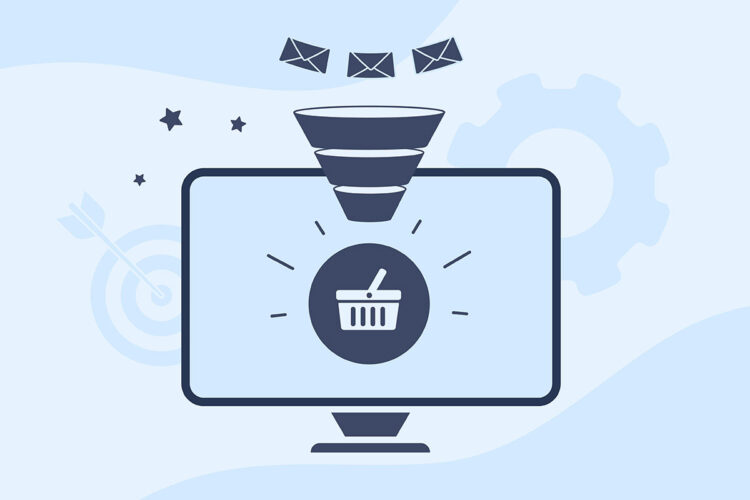
At its core, an email marketing funnel is a multi-step journey you design for your subscribers, moving them from initial awareness to a desired action, such as making a purchase, signing up for a service, or engaging with your content. It’s not a single email, but a series of interconnected messages, each with a specific purpose, building upon the last. Think of it as a roadmap, guiding your leads with precision and purpose.
What is a Funnel and Why Does it Matter?
A funnel visualizes the customer journey, typically presented as an inverted pyramid. At the top, you have a broad audience, and as they move down, they become more qualified and fewer in number, culminating in conversions at the bottom. For you, an email marketing funnel allows you to nurture leads effectively. You don’t bombard new subscribers with sales pitches immediately; instead, you build trust, educate them, and demonstrate value. This strategic approach significantly increases your conversion rates and customer lifetime value. You’re building relationships, not just making transactions.
Key Stages of a Typical Email Funnel
Your email funnel will generally follow four key stages, mirroring the classic marketing funnel:
Awareness Stage (Top of Funnel – ToFu)
At this stage, your goal is to capture attention and introduce yourself or your brand. People are just discovering you, and they might not even know they have a problem you can solve. Your emails here should be welcoming, informational, and focus on providing value without asking for anything in return. Think about offering a free resource, a guide, or a simple “welcome” that sets expectations.
Consideration Stage (Middle of Funnel – MoFu)
Now, your subscribers know they have a problem, and they’re exploring potential solutions. They’re weighing their options, and you want to position your product or service as the best choice. Your emails here should offer solutions, elaborate on your unique selling propositions, and address common pain points. Case studies, testimonials, and detailed explanatory content work well here. You’re building credibility and demonstrating expertise.
Decision Stage (Bottom of Funnel – BoFu)
This is where the magic happens – your subscribers are ready to buy! Your emails at this stage should remove any remaining obstacles, create a sense of urgency, and clearly articulate the value proposition. Special offers, limited-time discounts, free trials, or direct calls to action are common. You’re providing the final push, making it easy and attractive for them to take the plunge.
Retention/Advocacy Stage (Post-Purchase)
The journey doesn’t end with a sale. In fact, this stage is crucial for long-term success. Your emails here focus on customer satisfaction, encouraging repeat purchases, and turning satisfied customers into brand advocates. Thank you emails, usage tips, future product announcements, loyalty programs, and requests for reviews or referrals all fall into this category. You’re fostering loyalty and brand evangelism.
Crafting Your ToFu: Attracting New Subscribers
The top of your funnel is all about attracting new blood. Nobody can convert if they’re not on your email list. Your focus here is on providing irresistible value that compels visitors to share their email address.
Lead Magnets: Your Irresistible Offer
A lead magnet is a free, valuable piece of content you offer in exchange for an email address. This is your primary tool for attracting subscribers. You’re not just asking for an email; you’re offering a solution to a problem or a valuable piece of information.
Types of Effective Lead Magnets
- Ebooks and Guides: In-depth resources that solve a specific problem or provide extensive information.
- Checklists and Templates: Practical tools that streamline a process or simplify a task.
- Webinars and Online Courses: Live or pre-recorded educational content, often offering high perceived value.
- Free Trials or Samples: Direct experience with your product or service.
- Quizzes and Assessments: Engaging tools that provide personalized results and insights.
- Discount Codes or Coupons: A direct incentive for purchase.
Optimizing Your Opt-in Forms
Once you have a compelling lead magnet, you need to make it easy for people to get it. Your opt-in forms are the gateway to your funnel.
Placement and Visibility
Don’t hide your forms. Place them strategically:
- Pop-ups: Exit-intent pop-ups, timed pop-ups, or scroll-triggered pop-ups.
- Website Banners: Prominently displayed call-to-action bars.
- Dedicated Landing Pages: Pages solely focused on promoting your lead magnet.
- Sidebar Widgets: For blog posts or content pages.
- In-content forms: Integrated naturally within your blog posts or articles.
Compelling Copy and Design
Your form needs to be clear, concise, and visually appealing.
- Benefit-oriented headlines: Clearly state what the subscriber will gain.
- Minimal fields: Only ask for essential information (usually just name and email).
- Strong call to action (CTA): Use action-oriented language like “Get Your Free Guide Now” or “Download My Checklist.”
- Reassurance message: A short statement about privacy (“We respect your privacy” or “No spam ever”).
Nurturing Leads in the MoFu: Building Trust and Authority

Now that you have their email, your job is to build a relationship. The middle of the funnel is where you educate, inform, and demonstrate your expertise without directly selling. You want to become a trusted resource.
The Welcome Series: Setting the Tone
Your welcome series is arguably the most important email sequence. It’s your first impression, and it sets the stage for the entire relationship.
Structuring an Engaging Welcome Series
Typically, a welcome series consists of 3-5 emails sent over a few days or weeks.
- Email 1: The Personal Hello:
- Thank them for subscribing and delivering the lead magnet.
- Briefly introduce yourself and your brand’s mission.
- Set expectations for future emails (e.g., “You’ll receive tips every Tuesday”).
- Ask a simple question to encourage a reply and segment them.
- Email 2: Value Bomb – Education or Solution:
- Provide valuable content related to your lead magnet or their pain points.
- Share a useful tip, a common misconception, or a mini-tutorial.
- Establish your authority and expertise.
- Email 3: Storytelling or Social Proof:
- Share a compelling story, either your own journey or a customer success story.
- Showcase testimonials, reviews, or case studies.
- Build emotional connection and reliability.
- Email 4: Addressing Objections/Pre-selling:
- Anticipate common questions or concerns your audience might have.
- Subtly introduce how your product or service addresses these.
- Mention a specific feature or benefit that differentiates you.
Segmentation: Speaking Directly to Your Audience
One size does not fit all. Segmenting your email list allows you to send highly relevant messages to specific groups, dramatically increasing engagement and conversions.
Criteria for Effective Segmentation
- Demographics: Location, age, gender (if relevant).
- Behavioral Data:
- Engagement: Opened emails, clicked links, downloaded resources.
- Website activity: Pages visited, products viewed, abandoned carts.
- Purchase history: First-time buyers, repeat customers, specific product buyers.
- Expressed Interests: Preferences indicated in surveys, signup forms, or through email replies.
- Lead Magnet: Segmenting by which lead magnet they opted in for.
Benefits of Personalized Content
When you segment, you can tailor your messaging. Instead of “Dear Subscriber,” you can say “Hi [Name].” More importantly, you can discuss challenges directly relevant to their situation and offer solutions that resonate personally. This builds a stronger connection and makes your emails feel less like a mass broadcast and more like a personal conversation.
Converting Leads in the BoFu: Driving Action and Sales
This is the stage where you make your offer. Your subscribers are informed, trusting, and ready to make a decision. Your emails here should be direct, persuasive, and remove any friction to purchase.
The Sales Series: Making Your Offer Irresistible
Your sales series is designed to convert interested leads into paying customers. It’s crucial to be clear, confident, and provide compelling reasons to buy.
Elements of a High-Converting Sales Sequence
- Email 1: The Soft Pitch/Problem-Solution:
- Reiterate the core problem your audience faces.
- Briefly introduce your product/service as the ultimate solution.
- Direct them to a sales page for more information without forcing a purchase.
- Email 2: Benefits and Features Unpacked:
- Deep dive into the specific benefits and features of your offering.
- Use bullet points or concise paragraphs to highlight key advantages.
- Include testimonials or trust signals.
- Email 3: Overcoming Objections/FAQ:
- Address common questions, doubts, or concerns directly.
- Position your product as the answer to these hesitations.
- Acknowledge potential risks and offer guarantees or reassurances.
- Email 4: Scarcity and Urgency (Optional but Effective):
- Limited-time offers, expiring discounts, or limited stock.
- Create a sense of urgency to encourage immediate action. Use this sparingly to maintain credibility.
- Email 5: The Last Chance Reminder:
- A final reminder before an offer expires.
- Reiterate the benefits and the consequence of missing out.
- A clear, direct call to action.
Crafting High-Impact Calls to Action (CTAs)
Your CTA is the bridge to conversion. It must be clear, compelling, and easy to find.
Best Practices for CTA Design and Copy
- Action-oriented language: “Buy Now,” “Get Your Free Trial,” “Register Today,” “Download Your Copy.”
- Benefit-driven: “Unlock Your Potential,” “Save 10% Now,” “Start Learning Today.”
- Prominent placement: Make it stand out with contrasting colors, buttons, and whitespace.
- Single, clear CTA per email: Avoid overwhelming your subscriber with too many choices.
- Repeat CTAs: You can include them at the top, middle, and bottom of longer emails.
Post-Conversion & Retention: Cultivating Loyal Customers
| Stage | Metric | Goal |
|---|---|---|
| Awareness | Email open rate | 20% or higher |
| Interest | Click-through rate | 5% or higher |
| Desire | Conversion rate | 3% or higher |
| Action | Revenue generated | Depends on business objectives |
The sale isn’t the finish line; it’s the beginning of a longer, more profitable relationship. You want to turn one-time buyers into repeat customers and brand evangelists.
Onboarding and Nurturing New Customers
Once someone buys, your focus shifts to ensuring they have a positive experience and extract maximum value from your product or service.
Welcome & Onboarding Series for Buyers
- Thank You Email:
- Immediate confirmation of purchase.
- Express gratitude and reinforce their decision.
- Provide access to their purchase (download links, login details).
- Getting Started Guide/Tips:
- Help them quickly understand how to use your product or service effectively.
- Links to tutorials, FAQs, or customer support.
- Address common initial frustrations.
- Value-Added Content:
- Further tips, advanced usage techniques, or complementary resources.
- Show them how to get even more out of their purchase.
- Check-ins and Feedback Requests:
- Periodically ask how they’re doing with the product.
- Encourage them to provide feedback or ask questions.
Encouraging Repeat Purchases and Referrals
Loyal customers are your most valuable asset. They spend more, refer others, and are more forgiving.
Strategies for Customer Loyalty
- Exclusive Offers and Discounts: Reward existing customers with special deals before anyone else.
- Loyalty Programs: Points systems, tiered benefits, or member-only perks.
- Personalized Recommendations: Based on their purchase history, suggest complementary products.
- Early Access to New Products/Features: Make them feel like VIPs.
- Requesting Reviews and Testimonials:
- Automated emails asking for a review after a certain period.
- Make it easy for them to leave feedback on relevant platforms.
- Offer a small incentive for their time.
- Referral Programs:
- Give existing customers an incentive to refer new ones.
- Clearly explain the benefits for both the referrer and the referred.
- Community Building: Create spaces (forums, social groups) where customers can interact and share experiences.
Optimizing Your Funnel: Testing, Analyzing, and Adapting
Building your funnel isn’t a one-and-done task. The digital landscape constantly evolves, and so should your strategy. Continuous optimization is key to maximizing your results.
A/B Testing: Finding What Works Best
A/B testing (or split testing) involves comparing two versions of an email or element to see which performs better.
Key Elements to A/B Test
- Subject Lines: The single most impactful element for open rates. Experiment with length, emojis, personalization, and urgency.
- Email Body Copy: Test different hooks, argument structures, tone of voice, and length.
- Calls to Action (CTAs): Test different wording, button colors, and placement.
- Visuals: Images, videos, GIFs – see how they affect engagement.
- Sender Name: Test a personal name vs. a company name.
- Send Times and Days: Experiment with when your audience is most likely to open and click.
Analytics and Metrics: Measuring Success
You can’t improve what you don’t measure. Regularly analyze your email marketing performance.
Essential Metrics to Track
- Open Rate (OR): The percentage of recipients who opened your email. Good indicator of subject line effectiveness and list health.
- Click-Through Rate (CTR): The percentage of recipients who clicked a link in your email. Measures how engaging your content and CTAs are.
- Conversion Rate: The percentage of recipients who completed a desired action (e.g., made a purchase, downloaded a resource) after clicking. This is your ultimate success metric for sales.
- Unsubscribe Rate: The percentage of recipients who opted out of your list. A high rate indicates content irrelevance or frequency issues.
- Spam Complaint Rate: The percentage of recipients who marked your email as spam. A critical metric, as high rates can damage your sender reputation.
- Email List Growth Rate: How quickly your list is expanding.
- Customer Lifetime Value (CLV): The total revenue you expect to earn from a customer over their relationship with your business. Email marketing can significantly impact CLV.
Interpreting Data for Improvements
Don’t just look at the numbers; understand what they tell you.
- Low Open Rate: Your subject line isn’t compelling, or your list is disengaged.
- Low CTR: Your email content isn’t enticing, or your CTA is weak.
- High Unsubscribe Rate: Your content isn’t relevant, or you’re sending too often.
- Good Open but Low Conversion: Your email is engaging, but your landing page or offer isn’t converting.
Use these insights to refine your strategy, tweak your emails, and continuously improve your funnel’s performance. You’re building a system, and like any good system, it requires ongoing maintenance and upgrades to perform at its peak.
By meticulously crafting each stage of your email marketing funnel, from attracting subscribers to nurturing loyal customers, you’re not just sending emails; you’re building relationships that drive consistent, sustainable growth for your business. This systematic approach will empower you to connect with your audience, guide them effectively, and achieve remarkable results.
FAQs
What is an email marketing funnel?
An email marketing funnel is a series of emails that are strategically designed to guide a potential customer through the stages of the buying process, from awareness to purchase.
What are the key components of a high-impact email marketing funnel?
The key components of a high-impact email marketing funnel include a compelling lead magnet to attract subscribers, a series of engaging and valuable emails, a clear call-to-action in each email, and a well-designed landing page for conversion.
How can I create a high-impact email marketing funnel?
To create a high-impact email marketing funnel, start by defining your target audience and their needs, then create a compelling lead magnet to attract subscribers. Next, design a series of engaging and valuable emails that guide subscribers through the buying process, and optimize your landing page for conversion.
What are some best practices for creating high-impact email marketing funnels?
Some best practices for creating high-impact email marketing funnels include personalizing your emails, segmenting your email list, testing different elements of your funnel, and providing valuable content to your subscribers.
How can I measure the success of my email marketing funnel?
You can measure the success of your email marketing funnel by tracking key metrics such as open rates, click-through rates, conversion rates, and the overall return on investment. Additionally, you can use A/B testing to optimize your funnel for better results.