

You’ve crafted compelling content for your email, designed an appealing layout, and meticulously segmented your audience. Yet, if your subject line fails to capture attention, all that effort remains unseen. Your open rate, often a critical metric for email marketing success, hinges significantly on those few words presented in an inbox. This guide will delve into strategies to optimize your email subject lines, moving beyond guesswork to a data-driven and psychologically informed approach.
Before you draft a single subject line, it’s imperative to understand what motivates someone to open an email. Your subscribers’ inboxes are battlegrounds of competing messages. To stand out, you need to tap into core human drivers.
The Role of Curiosity
Humans are inherently curious creatures. A well-crafted subject line can pique this curiosity, creating a knowledge gap that only opening the email can fill. This isn’t about misleading; it’s about hinting at value without revealing everything upfront.
- Intrigue without Obscurity: Avoid being so vague that your message seems irrelevant. The goal is a delicate balance. “A secret you need to know” is intriguing; “Something interesting” is not.
- Question-Based Subject Lines: Posing a direct question can engage the reader’s mind and invite an answer that the email provides. For example, “Are you making this common marketing mistake?”
- The Power of the Unfinished Thought: A subject line that starts a sentence but leaves it incomplete can compel a click. “The one thing stopping your growth…”
The Drive for Urgency and Scarcity
Loss aversion is a powerful psychological phenomenon. People are often more motivated by the prospect of losing something than by the prospect of gaining something of equal value. Urgency and scarcity leverage this.
- Time-Sensitive Offers: Clearly communicate deadlines. “Act fast: 24 hours left for 20% off.”
- Limited Availability: Indicate that a resource or product is in short supply. “Only 5 spots left for our workshop.”
- Event-Based Urgency: Tie your email to an upcoming event or seasonal opportunity. “Don’t miss our summer sale – ends Friday!”
The Appeal of Personalization and Relevance
In an age of information overload, generic messages are easily dismissed. When an email feels tailored to an individual, it immediately gains a higher perceived value.
- Using the Subscriber’s Name: While basic, including a subscriber’s first name can undeniably increase open rates. It signals a one-to-one communication, even if automated.
- Segment-Specific Content: Beyond names, tailor subject lines to the specific segments of your audience. If you know a segment is interested in ’email marketing tools,’ a subject line like “New Email Marketing Tools for Your Business” will resonate more than a generic sales pitch.
- Referencing Past Interactions: If appropriate, you can reference a previous purchase, download, or interaction. “Following up on your interest in X.” This demonstrates you remember them.
Crafting Compelling Subject Lines: Practical Approaches
Now that you understand the underlying psychological triggers, let’s translate that into actionable strategies for writing your subject lines.
Clarity and Conciseness
Your subject line is often truncated in mobile inboxes. Every character counts. Get your core message across efficiently.
- Front-Load Keywords: Place the most important words at the beginning of your subject line. This ensures that even if truncated, the core message is conveyed.
- Eliminate Redundant Words: Review your subject lines for unnecessary adjectives, adverbs, or prepositions. “Your incredible opportunity to save big money today” can become “Save Big Today.”
- A/B Test Lengths: Experiment with both very short and slightly longer subject lines to see what performs best with your audience. Sometimes a short, punchy line works; other times, a slightly more descriptive one does.
Value Proposition and Benefit-Oriented Language
People open emails when they perceive a benefit in doing so. Clearly articulate what the subscriber stands to gain.
- Focus on the “What’s in it for me?”: Instead of “New Product Launch,” consider “Increase Your Productivity with Our New Tool.”
- Quantify Benefits Where Possible: Numbers attract attention. “Boost your sales by 15%.” “Save $50 on your next order.”
- Solve a Problem: Identify a common pain point for your audience and offer your email as the solution. “Struggling with email deliverability? Read this.”
Leveraging Emojis and Special Characters (with caution)
Emojis and certain special characters can help your subject line stand out visually in a crowded inbox. However, their use requires discretion.
The Visual Pop
A well-placed emoji can break up text and add a touch of personality or emphasis.
- Enhance, Don’t Distract: Use emojis to complement your message, not replace essential words. A subject line like “🔥 Hot Deals Inside! 🔥” is better than “Hot Deals Inside.”
- Match Your Brand Voice: If your brand is serious and corporate, excessive emoji use might seem out of place and diminish trust. A younger, more casual brand can typically use them more freely.
- A/B Test Emoji Usage: What works for one audience might not work for another. Regularly test different emojis and their impact on open rates.
Special Characters for Emphasis
Characters like exclamation marks (!), question marks (?), or even brackets ([]) can add emphasis or categorize your message.
- Avoid Overuse of Exclamation Marks: More than one or two can appear spammy or desperate.
- Using Brackets for Category: “[Webinar Replay]” or “[New Data]” can clearly signal the content type, aiding quick decision-making for the subscriber.
- Testing Symbol Effectiveness: Different symbols might resonate differently. Don’t assume. Test.
A/B Testing: The Non-Negotiable Strategy
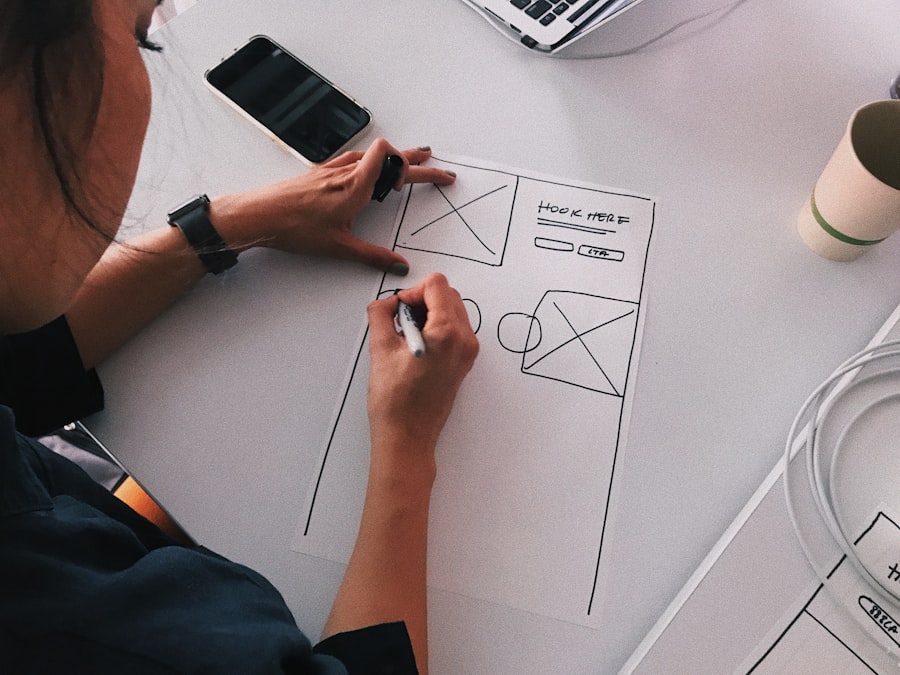
Guesswork has no place in optimized email marketing. A/B testing is crucial for continuous improvement.
Systematic Experimentation
Don’t just test randomly. Develop hypotheses about what might improve your open rates and design tests to prove or disprove them.
- One Variable at a Time: To accurately attribute changes in open rates, alter only one element of your subject line per test. For example, test an emoji vs. no emoji, or a question vs. a statement.
- Clear Testing Goals: What do you want to learn? Increased opens? Higher click-throughs? Define your success metric before you begin.
- Adequate Sample Size: Ensure you send to a sufficiently large audience segment to achieve statistically significant results. Small tests on tiny segments will give unreliable data.
Analyzing Results and Iterating
The data you gather from A/B testing is invaluable. It helps you understand your audience better and refine your approach.
- Focus on Statistical Significance: Don’t jump to conclusions based on slight differences. Use statistical tools or calculators to determine if the difference in open rates is truly significant or just random variation.
- Identify Trends: Look for patterns over time. Do certain types of keywords consistently perform better? Does personalization always win?
- Document Your Findings: Keep a record of your tests, hypotheses, results, and conclusions. This institutional knowledge prevents you from repeating failed experiments and builds a data-backed strategy.
Common Pitfalls to Avoid
| Subject Line Strategy | Open Rate Increase |
|---|---|
| Personalization | 10% |
| Urgency | 15% |
| Curiosity | 12% |
| Relevance | 8% |
Even with the best intentions, subject lines can fall victim to common errors that deter opens or trigger spam filters.
Spam Triggers and “Salesy” Language
Certain words and phrases are red flags for email service providers and subscribers alike.
- Avoid “Spammy” Keywords: Words like “Free,” “Win,” “Deal,” “Discount” (especially in combination or excessive use) can trigger spam filters. Use them judiciously and with context.
- Gimmicks and Deception: Never use misleading subject lines (e.g., “RE: Your Order” if it’s not). This erodes trust and can lead to immediate unsubscribes or spam reports.
- Excessive Punctuation and Capitalization: ALL CAPS OR!!!!! TOO MANY EXCLAMATION MARKS!!!!! scream spam. Maintain professional composure.
Over-Personalization and Creepy Tactics
While personalization is effective, there’s a fine line between helpful and unsettling.
- Don’t Use Data You Shouldn’t Have: Referencing highly personal or sensitive data in a subject line can feel intrusive.
- Generic Personalization Fails: If you try to personalize but your data is incomplete or incorrect (e.g., “Hello [First Name]”), it looks unprofessional and highlights a lack of attention to detail.
- Balance Between Specificity and Broad Appeal: While targeting is good, don’t make your subject line so niche that it alienates a broader, potentially interested audience within your segment.
Neglecting Mobile Optimization
A significant portion of your audience will likely view your emails on mobile devices. Subject lines must be readable and effective on small screens.
- Short and Sweet Reigns Supreme: As mentioned earlier, mobile truncates subject lines quickly. Keep your core message in the first few words.
- Preview Text Awareness: The preview text is the snippet of text that follows the subject line in an inbox. It’s a valuable extension of your subject line. Optimize it not just for desktop, but also for how it appears and is truncated on mobile.
- Test Across Devices: Always send test emails to yourself and view them on various devices (desktop, different mobile phones) to see how subject lines and preview text appear.
By systematically applying these strategies—understanding the psychology, crafting compelling lines, leveraging visual elements, relentlessly A/B testing, and avoiding common pitfalls—you will be well-equipped to consistently boost your email open rates. This isn’t about finding a magic bullet but about continuous refinement and data-driven decision-making, ensuring that your valuable email content gets the attention it deserves.
FAQs
What are some effective strategies for creating email subject lines that increase open rates?
Some effective strategies for creating email subject lines that increase open rates include using personalization, creating a sense of urgency, asking a question, using emojis, and keeping the subject line concise and to the point.
How can personalization be used to increase open rates in email subject lines?
Personalization can be used to increase open rates in email subject lines by addressing the recipient by name, referencing their previous interactions with the brand, or tailoring the subject line to their specific interests or preferences.
Why is creating a sense of urgency important in email subject lines?
Creating a sense of urgency in email subject lines is important because it motivates recipients to open the email and take action. Phrases like “limited time offer” or “ending soon” can prompt recipients to prioritize opening the email.
What role do emojis play in increasing open rates in email subject lines?
Emojis can help increase open rates in email subject lines by adding visual interest and conveying emotion or tone. When used strategically, emojis can make subject lines stand out in crowded inboxes and entice recipients to open the email.
How important is it to keep email subject lines concise and to the point?
It is important to keep email subject lines concise and to the point because recipients often scan their inboxes quickly. A clear and succinct subject line makes it easier for recipients to understand the email’s content and decide whether to open it.